


Painful Lipomas: Why They Occur and How to Treat Them
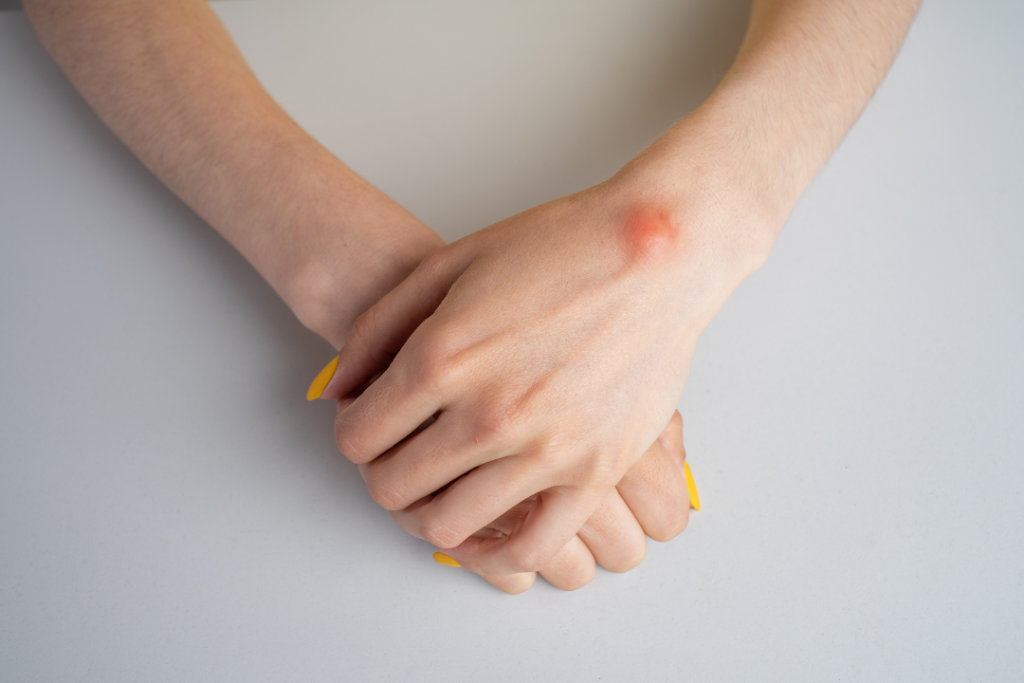
Lipomas are typically known as painless, slow-growing fatty lumps under the skin, but in some cases, they can become painful and uncomfortable. This variation often surprises patients and leads them to seek medical advice to understand the cause. Lipoma removal treatment may be recommended when pain interferes with daily life or when the lump shows signs of pressure on surrounding structures. Understanding why some lipomas become painful and how they are treated helps patients make informed decisions about their care and reduces unnecessary worry.
What Are Lipomas and How Do They Form:
Lipomas are benign tumors made up of fat cells that develop beneath the skin. They are usually soft, movable, and harmless, but their behavior can vary depending on their location and size.
Key characteristics include:
- Soft, doughy texture under the skin
- Slow and gradual growth over time
- Usually painless in most cases
- Common in arms, back, shoulders, and neck
- Non-cancerous and generally harmless
Most lipomas do not require treatment unless they cause symptoms.
Why Some Lipomas Become Painful:
Although most lipomas are painless, some can cause discomfort due to their location, size, or pressure on nearby structures. Pain is not typical but can occur in specific situations.
Common causes of pain include:
- Compression of nearby nerves
- Growth in tight or sensitive areas
- Inflammation of surrounding tissues
- Repeated physical pressure or trauma
- Deep-seated lipomas affecting muscle layers
These factors can turn a harmless lump into a painful condition.
Deep vs Superficial Lipomas and Pain Differences:
The depth of a lipoma plays a major role in whether it causes pain or remains unnoticed. Deeper lipomas are more likely to cause discomfort.
Differences include:
- Superficial lipomas are usually painless and mobile
- Deep lipomas may press on muscles or nerves
- Intramuscular lipomas often cause discomfort during movement
- Deeper growths are harder to detect early
- Pain increases with physical activity in some cases
Location and depth significantly influence symptoms.
Symptoms of Painful Lipomas:
Painful lipomas may present with additional symptoms beyond discomfort. Recognizing these signs helps in early medical evaluation.
Common symptoms include:
- Localized tenderness or aching
- Increased pain with pressure or movement
- Swelling or tightness in the area
- Sensation of heaviness or fullness
- Occasional sharp pain if nerves are involved
These symptoms often prompt patients to seek treatment.
How Doctors Diagnose Painful Lipomas:
Accurate diagnosis is essential to confirm that the pain is due to a lipoma and not another condition. Doctors use a combination of methods for evaluation.
Diagnostic steps include:
- Physical examination of the lump
- Ultrasound imaging to assess structure
- MRI for deeper or complex cases
- Patient history and symptom review
- Rare biopsy if diagnosis is uncertain
Proper diagnosis ensures appropriate treatment planning.
Non-Surgical Management of Painful Lipomas:
In some cases, mild symptoms can be managed without immediate surgery. Non-surgical options focus on reducing discomfort and monitoring changes.
Management strategies include:
- Pain relievers for temporary relief
- Avoiding pressure on the affected area
- Monitoring size and symptom progression
- Anti-inflammatory medications if prescribed
- Regular medical follow-up
These approaches may help in mild cases.
Surgical Treatment Options for Painful Lipomas:
When pain becomes persistent or severe, surgical removal is often the most effective solution. Surgery addresses the root cause directly.
Treatment options include:
- Complete surgical excision of the lipoma
- Minimally invasive removal techniques
- Liposuction-assisted procedures
- Laser-assisted removal in select cases
- Outpatient procedures under local anesthesia
Lipoma removal treatment is highly effective for relieving pain caused by pressure or nerve involvement.
Recovery and Pain Relief After Surgery:
Most patients experience significant pain relief after removal, although some mild discomfort during recovery is normal. Healing is usually straightforward.
Recovery expectations include:
- Mild swelling and soreness for a few days
- Gradual reduction in pain after removal
- Return to normal activities within a short period
- Proper wound care for faster healing
- Low risk of recurrence if fully removed
Recovery outcomes are generally very positive.
When to See a Doctor:
Painful lipomas should always be evaluated by a healthcare professional to rule out other conditions and determine the best treatment approach.
You should seek medical attention if:
- Pain increases over time
- The lump grows rapidly
- Movement becomes restricted
- The area becomes tender or inflamed
- Diagnosis is uncertain
Early evaluation helps prevent complications.
Final Thoughts:
While most lipomas are painless and harmless, some can become painful due to pressure on nerves or deep tissue involvement. Understanding the causes of pain and recognizing symptoms early helps ensure proper treatment and relief. Ultimately, when symptoms persist or worsen, Lipoma removal treatment provides a safe and effective solution to eliminate discomfort and restore quality of life.

