


Is Sodium Carbonate Safe? Uses, Risks & Safety Guide
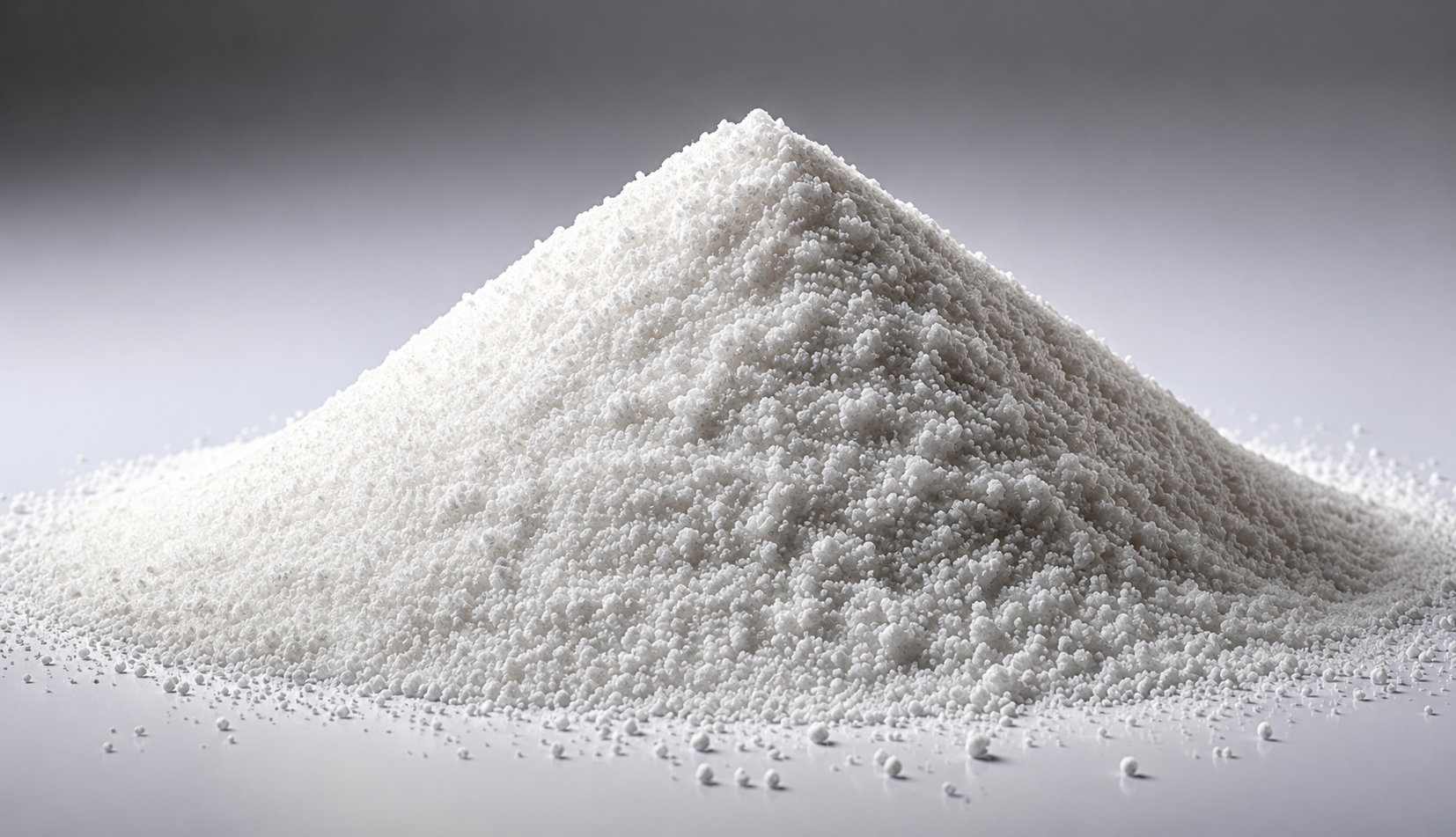
Sodium carbonate, also known as washing soda or soda ash, is a chemical compound that has been used for decades in households and industries around the world. It is commonly found in laundry detergents, glass manufacturing, water treatment plants, textile production, and many cleaning products. Because it is widely available and frequently used, many people ask the important question, is sodium carbonate safe? The answer depends on how it is handled and used. Under normal conditions and when proper safety precautions are followed, sodium carbonate is generally considered safe. However, like many alkaline chemicals, it can cause irritation if it comes into direct contact with the skin, eyes, or respiratory system. Understanding its properties, potential hazards, and recommended safety practices is essential for anyone who works with or uses sodium carbonate. This guide explains everything you need to know about its safety, benefits, risks, and proper handling methods.
What Is Sodium Carbonate?
Sodium carbonate is an inorganic chemical compound with the formula Na₂CO₃. It appears as a white, odorless powder or crystalline solid that dissolves easily in water to form an alkaline solution. Naturally occurring deposits of sodium carbonate exist in mineral forms such as trona, but it is also manufactured commercially through industrial processes. Due to its excellent cleaning, water-softening, and pH-adjusting properties, sodium carbonate has become an essential ingredient in numerous products. It helps remove grease, neutralize acids, and improve the effectiveness of detergents. Although it is not classified as one of the most dangerous industrial chemicals, it should still be handled responsibly because prolonged exposure can lead to irritation. Knowing its chemical characteristics helps users understand why certain protective measures are recommended during handling.
Is Sodium Carbonate Safe for Everyday Use?
For most people, sodium carbonate is safe when used according to product instructions. It is commonly included in household cleaners and laundry products where exposure is limited and controlled. During normal use, the chemical presents minimal health risks because it is diluted and handled in small amounts. However, concentrated sodium carbonate powder or strong solutions can irritate the skin, eyes, and respiratory tract. Individuals with sensitive skin may experience dryness or redness after repeated contact. Using gloves while handling the powder and washing hands after use significantly reduces these risks. As with any cleaning chemical, proper storage away from children and pets is equally important. When used responsibly, sodium carbonate remains one of the safer alkaline compounds available for domestic and industrial applications.
Why Is Sodium Carbonate Considered Safe?
One reason sodium carbonate is considered relatively safe is that it does not easily release toxic fumes under normal conditions. Unlike many hazardous industrial chemicals, it is stable, non-flammable, and does not pose a fire hazard. It also breaks down naturally in the environment without creating long-lasting toxic residues. Regulatory agencies generally classify sodium carbonate as an irritant rather than a highly toxic substance. This means that while accidental exposure can cause discomfort, it usually does not result in severe poisoning when handled properly. Most incidents involving sodium carbonate occur because of direct contact with concentrated material rather than the chemical itself being inherently dangerous. Following standard workplace and household safety guidelines greatly minimizes the chance of injury.
Common Uses of Sodium Carbonate
Sodium carbonate has countless applications across different industries because of its versatile chemical properties. It is widely used in detergent manufacturing to improve cleaning performance and soften hard water. The glass industry relies on sodium carbonate to lower the melting point of silica during glass production. Textile manufacturers use it during dyeing and fabric processing, while water treatment facilities use it to regulate pH levels. In households, sodium carbonate is often used to remove stains, clean kitchen surfaces, unclog drains, and boost laundry detergents. Laboratories also use it in chemical experiments and analytical testing. Its wide range of uses demonstrates why understanding its safe handling is important for professionals and everyday consumers alike.
Potential Health Risks of Sodium Carbonate
Although sodium carbonate is generally safe, improper handling can lead to several health concerns. Skin contact may cause dryness, itching, or mild irritation because the chemical removes natural skin oils. Eye exposure is more serious and may result in redness, pain, watering, or temporary blurred vision. Inhaling airborne dust may irritate the nose, throat, and lungs, especially for individuals with asthma or respiratory conditions. Swallowing large quantities may cause nausea, stomach discomfort, or vomiting. Fortunately, these effects are usually temporary and improve with prompt first aid. Wearing protective equipment and avoiding unnecessary exposure greatly reduces these health risks.
Is Sodium Carbonate Safe for Skin?
Direct skin contact with sodium carbonate is usually not dangerous, but it can become uncomfortable after prolonged exposure. The alkaline nature of the chemical can strip away the skin's natural oils, leaving it dry or irritated. Individuals with eczema or sensitive skin may notice stronger reactions than others. Wearing protective gloves during handling is the simplest way to avoid these problems. If sodium carbonate comes into contact with the skin, washing the affected area thoroughly with soap and water usually resolves the issue. Applying moisturizer afterward can help restore the skin's natural barrier. Routine users should always wear gloves to minimize repeated exposure.
Is Sodium Carbonate Safe for Eyes?
The eyes are much more sensitive than the skin, making eye protection especially important when working with sodium carbonate powder or concentrated solutions. Even a small amount of dust entering the eye can cause burning, redness, tearing, and discomfort. Immediate rinsing with clean water for at least fifteen minutes is recommended if accidental exposure occurs. Contact lenses should be removed if possible during rinsing. If irritation continues after washing, medical attention should be sought promptly. Wearing safety goggles during industrial work or laboratory experiments provides effective protection against accidental splashes and airborne dust.
Can Sodium Carbonate Be Inhaled Safely?
Under normal conditions, sodium carbonate produces very little airborne dust unless it is poured or handled in large quantities. Small amounts of dust are generally not dangerous but may irritate the nose and throat. Workers in manufacturing plants or laboratories who regularly handle bulk sodium carbonate should use adequate ventilation and wear dust masks or respirators when necessary. Avoiding activities that create excessive dust significantly lowers the risk of respiratory irritation. Proper workplace hygiene and ventilation are key components of safe chemical handling.
Conclusion
The answer to is sodium carbonate safe is yes—when it is used correctly and handled responsibly. It is a valuable chemical found in many household and industrial products because of its cleaning power, stability, and versatility. While it is not considered highly toxic, direct exposure to concentrated sodium carbonate can cause irritation to the skin, eyes, and respiratory system. Wearing gloves, using eye protection, following product instructions, and practicing good hygiene make it safe for most users. Understanding both its benefits and its potential risks allows individuals and businesses to use sodium carbonate confidently while maintaining a safe working environment.