


Photoelectric Sensors: Complete Guide to Types, Applications & Benefits
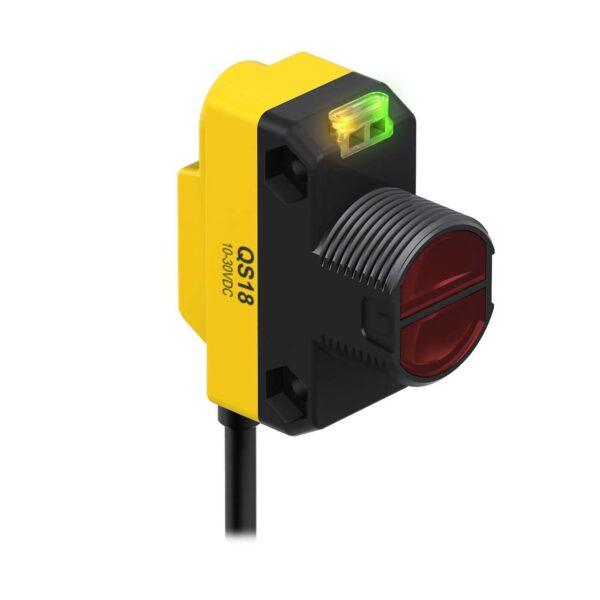
Photoelectric Sensors have become one of the most widely used sensing technologies in industrial automation due to their high accuracy, fast response time, and non-contact detection capabilities. Whether used in packaging machines, conveyor systems, food processing plants, automotive manufacturing, pharmaceutical production, or logistics warehouses, Photoelectric Sensors help improve productivity, reduce downtime, and ensure consistent quality. Their ability to detect objects regardless of physical contact makes them an ideal solution for modern industries seeking reliable automation. If you're looking for high-quality industrial Photoelectric Sensors, Genesis Technomation India Pvt Ltd offers a wide range of dependable sensing solutions for various industrial applications.
What are Photoelectric Sensors?
Photoelectric Sensors are electronic devices designed to detect the presence, absence, distance, or movement of an object using a beam of light. Instead of mechanical contact, these sensors emit visible or infrared light toward a target and analyze the reflected or interrupted light to determine whether an object is present.
Because there is no physical contact between the sensor and the object, Photoelectric Sensors experience minimal wear and require very little maintenance, making them suitable for continuous industrial operations.
They are capable of detecting:
- Plastic products
- Metal components
- Glass bottles
- Cardboard boxes
- Wooden materials
- Transparent packaging
- Labels
- Liquids
- Automotive parts
Their versatility makes them one of the most preferred industrial sensors across multiple manufacturing sectors.
How Do Photoelectric Sensors Work?
The working principle of Photoelectric Sensors is relatively simple.
A Photoelectric Sensor consists of three primary components:
- Light Emitter
- Receiver
- Signal Processing Circuit
The emitter projects a focused beam of light toward a target area. When an object enters the sensing range, the receiver detects changes in the light beam. The internal electronic circuit processes this information and generates an output signal that activates PLCs, controllers, alarms, robotic systems, or other automation equipment.
The sensing process happens within milliseconds, enabling high-speed object detection even on fast-moving production lines.
Main Types of Photoelectric Sensors
Choosing the right Photoelectric Sensor depends on the application, sensing distance, object material, and installation environment.
1. Through-Beam Photoelectric Sensors
Through-Beam Sensors consist of separate transmitter and receiver units placed opposite each other.
When an object interrupts the light beam, detection occurs.
Advantages
- Long sensing distance
- Highest detection reliability
- Excellent performance in dusty environments
- Detects very small objects
Applications
- Conveyor systems
- Warehouse automation
- Packaging lines
- Material handling
- Automotive assembly
2. Retro-Reflective Photoelectric Sensors
These sensors use a reflector placed opposite the sensor.
The emitted light reflects back to the receiver. Detection occurs when an object blocks the reflected beam.
Advantages
- Easy installation
- Longer sensing range than diffuse sensors
- Single-side wiring
- Cost-effective solution
Applications
- Carton detection
- Bottle counting
- Conveyor monitoring
- Production automation
3. Diffuse Reflective Photoelectric Sensors
Diffuse Sensors detect objects based on light reflected directly from the object itself.
No reflector is required.
Advantages
- Compact installation
- Simple wiring
- Low maintenance
- Suitable for short-range detection
Applications
- Packaging machines
- Product positioning
- Machine automation
- Robotic systems
4. Background Suppression Photoelectric Sensors
These advanced sensors distinguish the target from the background using optical triangulation.
Even if the background is reflective, the sensor only detects objects within a specified distance.
Advantages
- High precision
- Excellent object discrimination
- Reliable detection of dark and shiny objects
- Reduced false triggering
Applications
- Electronics manufacturing
- Pharmaceutical machinery
- Precision assembly
- Semiconductor production
Key Components of Photoelectric Sensors
Every industrial Photoelectric Sensor typically includes:
- LED or Laser Light Source
- Optical Lens
- Photo Receiver
- Signal Amplifier
- Electronic Control Circuit
- Output Switching Circuit
- Protective Housing
Modern Photoelectric Sensors also feature diagnostic LEDs, sensitivity adjustment, teach-in functions, and IP67 or higher protection ratings.
Benefits of Photoelectric Sensors
Photoelectric Sensors offer numerous advantages that make them essential in industrial automation.
Non-Contact Detection
Objects are detected without physical contact, preventing wear and extending sensor life.
High-Speed Operation
Detection occurs within milliseconds, making them suitable for high-speed production lines.
Long Service Life
Since there are no moving mechanical parts, maintenance requirements are significantly reduced.
High Detection Accuracy
Modern optical technology ensures precise and repeatable sensing.
Versatile Detection
Photoelectric Sensors can detect:
- Transparent objects
- Opaque materials
- Dark surfaces
- Reflective metals
- Small components
- Irregular shapes
Flexible Installation
Available in various housing styles including:
- Cylindrical
- Rectangular
- Miniature
- Compact
- Fiber optic versions
Reliable Performance
Industrial-grade sensors perform consistently under vibration, dust, moisture, and changing temperatures.
Applications of Photoelectric Sensors
Photoelectric Sensors are used in virtually every manufacturing industry.
Packaging Industry
- Carton detection
- Bottle positioning
- Label verification
- Product counting
- Filling machine automation
Food & Beverage Industry
- Bottle inspection
- Cap detection
- Conveyor monitoring
- Packaging verification
- Quality control
Pharmaceutical Industry
- Tablet counting
- Blister pack inspection
- Medicine packaging
- Label verification
- Automated filling systems
Automotive Industry
- Body assembly
- Robotic welding
- Component positioning
- Quality inspection
- Material handling
Electronics Manufacturing
- PCB detection
- Component placement
- Assembly verification
- Semiconductor inspection
Logistics & Warehousing
- Barcode reading systems
- Conveyor automation
- Parcel sorting
- Warehouse robots
- Storage systems
Textile Industry
- Fabric edge detection
- Roll positioning
- Yarn monitoring
- Machine automation
Printing Industry
- Registration mark detection
- Paper positioning
- Print alignment
- Sheet counting
Factors to Consider When Selecting Photoelectric Sensors
Selecting the right sensor improves efficiency and minimizes operational issues.
Sensing Distance
Choose a sensor with an appropriate detection range based on your application.
Object Material
Consider whether the object is transparent, reflective, dark, or irregularly shaped.
Mounting Space
Compact machines may require miniature or cylindrical sensor designs.
Environmental Conditions
Select sensors with suitable IP ratings for dusty, wet, or harsh industrial environments.
Response Time
High-speed production lines require fast switching speeds.
Output Type
Common industrial outputs include:
- PNP
- NPN
- Relay Output
- Analog Output
Supply Voltage
Ensure compatibility with your PLC or automation controller.
Common Challenges and Solutions
False Detection
Cause: Reflective backgrounds or improper alignment.
Solution: Use Background Suppression Photoelectric Sensors.
Dust Build-Up
Cause: Dirty lenses reduce sensing performance.
Solution: Regular cleaning and maintenance.
Transparent Object Detection
Cause: Standard sensors struggle with glass or clear plastic.
Solution: Use specialized transparent object Photoelectric Sensors.
Incorrect Mounting
Cause: Misaligned transmitter and receiver.
Solution: Proper alignment during installation.
Maintenance Tips
Proper maintenance significantly increases sensor life.
- Clean optical lenses regularly.
- Check mounting brackets.
- Verify wiring connections.
- Inspect LED indicators.
- Test sensing distance periodically.
- Protect cables from mechanical damage.
- Replace damaged reflectors when required.
Routine preventive maintenance ensures reliable long-term operation.
Why Industries Prefer Photoelectric Sensors
Manufacturers worldwide continue adopting Photoelectric Sensors because they offer:
- Fast object detection
- Exceptional reliability
- Reduced downtime
- Improved product quality
- Lower maintenance costs
- Easy integration with PLCs
- High-speed automation compatibility
- Long operational life
- Energy-efficient operation
- Excellent return on investment
These advantages make Photoelectric Sensors a preferred choice for modern industrial automation systems.
Why Buy Photoelectric Sensors from Genesis Technomation India Pvt Ltd?
If you're searching for a trusted supplier of industrial Photoelectric Sensors in India, Genesis Technomation India Pvt Ltd is an excellent choice. The company offers a comprehensive range of high-performance Photoelectric Sensors suitable for diverse industrial automation applications, including packaging, material handling, food processing, automotive, pharmaceuticals, and logistics.
Genesis Technomation India Pvt Ltd provides:
- Wide selection of industrial Photoelectric Sensors
- Reliable sensing solutions for demanding environments
- Competitive pricing
- Expert technical guidance
- Fast delivery across India
- Quality-tested automation products
- Responsive customer support
- Solutions for OEMs, machine builders, and industrial users
Whether you need diffuse reflective, retro-reflective, through-beam, or background suppression sensors, Genesis Technomation India Pvt Ltd can help you select the right solution for your application.
Explore their complete range of Photoelectric Sensors here:
https://genesisindsol.in/product/photo-electric-sensor/
Conclusion
Photoelectric Sensors have transformed industrial automation by providing fast, accurate, and reliable non-contact object detection across a wide variety of industries. From packaging and automotive manufacturing to pharmaceuticals, food processing, and warehouse automation, these sensors enhance operational efficiency, reduce maintenance costs, and improve product quality.
Selecting the right type of Photoelectric Sensor based on sensing distance, object characteristics, environmental conditions, and application requirements is essential for achieving optimal performance. As automation continues to advance, Photoelectric Sensors will remain a cornerstone of smart manufacturing and Industry 4.0.
For businesses seeking dependable and high-quality Photoelectric Sensors, Genesis Technomation India Pvt Ltd stands out as a trusted supplier in India, offering a broad portfolio of industrial sensing solutions backed by technical expertise and reliable customer support. Whether you're upgrading an existing automation system or building a new production line, choosing the right Photoelectric Sensor from Genesis Technomation India Pvt Ltd can help improve efficiency, accuracy, and long-term productivity.

