


How Automation Is Reshaping Metal Fabrication
Metal fabrication has long been the foundation of modern manufacturing, supporting industries such as construction, automotive, aerospace, energy, and industrial equipment. As production requirements become more complex and quality expectations continue to rise, manufacturers are embracing advanced fabrication methods that improve precision, reduce waste, and accelerate production timelines. Automation, digital design tools, and intelligent machinery are transforming traditional fabrication processes into more efficient and flexible operations.
Recent developments in the Metal Fabrication Market reflect this technological transition. According to a study published by MarkNtel Advisors, the industry is projected to grow from USD 46.15 billion in 2026 to USD 62.56 billion by 2032, registering a CAGR of 5.31%. Businesses seeking deeper insights into fabrication technology trends and industrial manufacturing outlook are increasingly evaluating how automation and infrastructure investments are shaping long-term demand.
The sector continues to evolve beyond conventional cutting and welding operations. Manufacturers are integrating computer-controlled equipment, robotic systems, and digital production planning to improve operational efficiency while maintaining consistent product quality. These developments are helping fabricators respond more effectively to changing customer requirements and increasingly complex engineering specifications.
Automation Is Improving Productivity
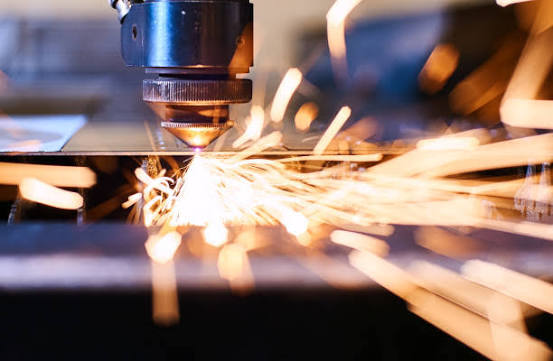
Automation has become one of the most significant drivers of operational improvement across fabrication facilities. Robotic welding, automated laser cutting, CNC machining, and programmable forming equipment reduce manual intervention while increasing production consistency. Automated workflows also help manufacturers minimize production errors, shorten lead times, and optimize material utilization.
Modern fabrication facilities increasingly rely on integrated software platforms that connect design, production planning, inventory management, and quality control. This digital connectivity allows manufacturers to monitor production in real time, quickly identify bottlenecks, and improve overall operational performance.
Infrastructure Projects Continue to Support Demand
Global investments in transportation networks, industrial facilities, renewable energy projects, and urban development continue to generate demand for fabricated metal components. Structural steel, customized assemblies, bridges, utility infrastructure, and industrial machinery all depend on advanced fabrication capabilities.
Large-scale infrastructure initiatives across developed and emerging economies require durable fabricated products that meet strict engineering standards. As governments prioritize modernization and industrial expansion, fabrication companies are expected to benefit from sustained project pipelines across multiple sectors.
Precision Manufacturing Is Becoming Essential
Industries such as aerospace, medical equipment, electronics, and electric vehicles increasingly require highly precise fabricated components. Tight dimensional tolerances, complex geometries, and lightweight materials have increased the adoption of laser processing, precision machining, and advanced forming technologies.
Digital manufacturing tools also enable faster design modifications and improved collaboration between engineering and production teams. These capabilities reduce product development cycles while supporting greater customization for customers with specialized requirements.
Sustainability Is Influencing Fabrication Practices
Environmental considerations are becoming increasingly important throughout manufacturing operations. Fabricators are investing in energy-efficient machinery, recycling metal scrap, optimizing raw material usage, and reducing emissions associated with production processes.
Many organizations are also implementing digital monitoring systems that improve resource utilization while supporting sustainability reporting requirements. These initiatives not only reduce environmental impact but also contribute to long-term operational efficiency and cost management.
Skilled Workforce and Technology Must Advance Together
Although automation continues to expand, skilled professionals remain essential for programming equipment, maintaining production systems, interpreting engineering drawings, and ensuring quality assurance. Workforce development therefore remains an important priority for fabrication companies investing in advanced manufacturing technologies.
Training initiatives focused on robotics, CAD/CAM software, CNC programming, and digital manufacturing are helping organizations prepare employees for increasingly sophisticated production environments. The combination of experienced personnel and intelligent machinery enables manufacturers to achieve higher productivity without compromising quality.
Looking Ahead
The future of metal fabrication will likely be defined by greater digital integration, automation, and manufacturing flexibility. Companies capable of combining advanced production technologies with skilled engineering expertise will be better positioned to serve industries requiring increasingly complex fabricated components. As infrastructure investment, industrial modernization, and precision manufacturing continue to expand globally, fabrication technologies are expected to remain central to the evolution of modern manufacturing ecosystems.

