


Retaining Walls Landscaping: Practical Design and Planning Tips for Sloped Properties
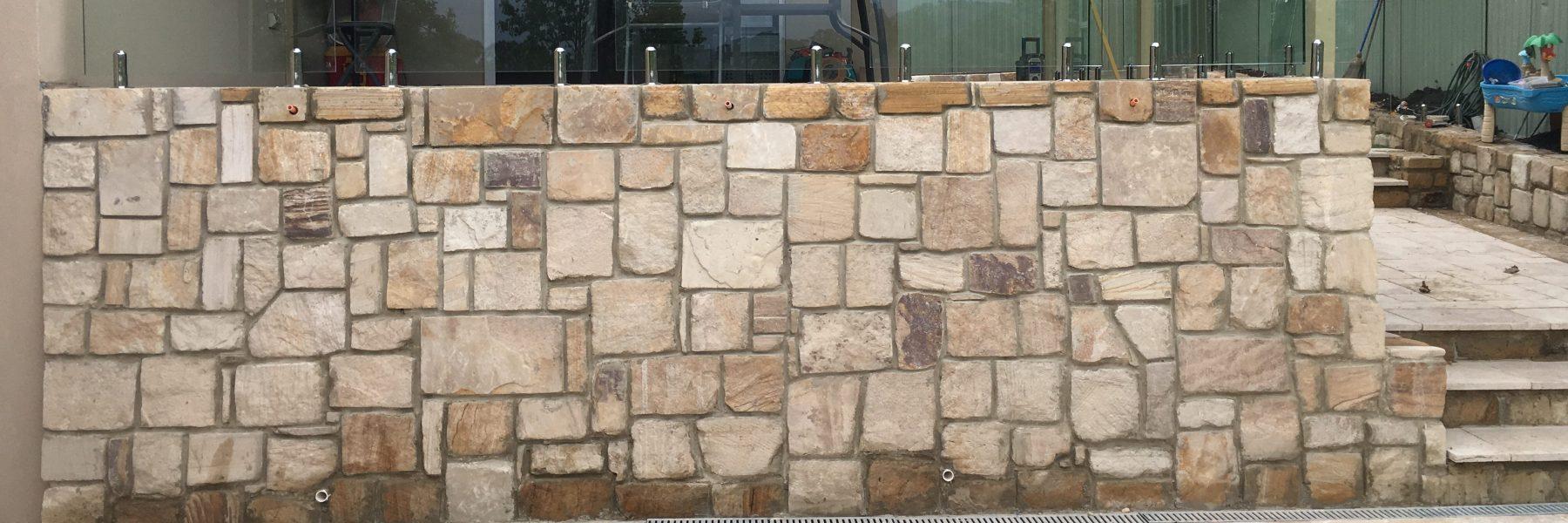
Sloping land can be challenging to landscape. Uneven ground makes it harder to create usable outdoor areas, control soil movement, manage rainwater, and establish attractive planting spaces. A well-designed retaining wall can solve several of these problems at once while making better use of the available land.
For homeowners, property managers, contractors, and landscaping professionals, retaining walls landscaping is not simply about building a wall and filling soil behind it. The design needs to suit the site, soil, drainage requirements, intended use, and local regulations.
Whether you're improving a residential garden or preparing a commercial outdoor area, careful planning at the beginning can prevent expensive problems later.
What Is a Retaining Wall Used For?
A retaining wall is designed to hold soil at different elevations. Instead of allowing a slope to continue naturally, the wall creates a more controlled change in ground level.
This can make a significant difference to a property. A steep backyard, for example, may become several practical garden terraces. A sloping commercial site could gain additional usable space for paths, planting, seating, or access areas.
Retaining walls can also help define garden beds, separate different landscape zones, and create cleaner transitions between levels.
However, the wall is only one part of the solution. The surrounding landscape, drainage and soil conditions are equally important.
Why Drainage Matters So Much
One of the most common mistakes with retaining walls is treating drainage as an afterthought.
Water that collects behind a wall increases pressure on the structure. Over time, poor drainage can contribute to movement, cracking, bulging, or other failures. Australian construction guidance recognises the need for subsoil drainage where site conditions require water to be diverted away from retaining walls and other structures.
A properly planned system may include free-draining material behind the wall, agricultural drainage pipe, surface drainage, and an appropriate outlet.
The exact approach depends on the site. Soil type, rainfall, slope, wall construction, nearby buildings and the final landscape levels all need to be considered.
Water should also be directed to a lawful discharge point rather than simply allowing it to flow onto neighbouring land.
Choosing the Right Wall Material
There isn't one material that works for every landscaping project. The right choice depends on the wall's purpose, height, appearance, budget and site conditions.
Concrete and masonry
Concrete or masonry systems can provide a strong, clean appearance and work well where durability and a more formal finish are priorities.
Concrete or segmental blocks
Modular retaining blocks are popular for landscaping because they can create neat, structured garden levels and are available in a variety of finishes.
Timber
Timber can create a warmer, more natural appearance and may suit smaller landscape projects. Its suitability depends on the environment, expected service life and structural requirements.
Natural stone and rock
Stone can blend particularly well with gardens and natural landscapes. It is often chosen where appearance is as important as practical soil retention.
The important point is that material selection should follow the site's requirements rather than simply choosing whichever option looks attractive in a catalogue.
A Practical Retaining Wall Planning Process
Good results generally start before any excavation takes place.
1. Assess the site
Measure the changes in ground level and identify buildings, fences, trees, driveways, utilities and property boundaries. Consider how water currently moves across the site.
2. Establish the purpose
Decide whether the wall is primarily for soil retention, garden terraces, access, erosion control, or creating usable outdoor space. This affects the design.
3. Consider loads above the wall
A driveway, building, pool, heavy landscaping materials or other structures near the top of a wall can place additional loads on it. These loads should not be assumed to be insignificant. Australian geotechnical guidance specifically warns against adding surcharge loads unless the wall has been designed for them.
4. Plan drainage
Determine how water will be collected, moved and discharged before construction begins.
5. Check approvals
Don't assume a small-looking wall is automatically exempt from approval requirements. Rules vary between Australian states, territories and councils. For example, Queensland and Victoria have different requirements, while NSW has specific conditions for exempt retaining wall and earthwork development.
6. Build according to the design
Foundation preparation, levels, backfill, drainage and construction techniques all matter. For larger or more complex walls, engineering input may be appropriate.
How Landscaping Can Improve the Finished Result
A retaining wall should look like part of the landscape rather than an isolated structure.
Planting can soften hard edges and connect different levels visually. Paths and steps can improve access between terraces, while lighting can make raised garden areas more usable after dark.
For business properties, the same principle applies. A well-integrated landscape can create a more professional entrance, improve pedestrian movement and make outdoor areas easier to maintain.
The best designs balance appearance with practicality. Avoid choosing plants solely for their appearance without considering mature size, root behaviour, irrigation requirements and proximity to the wall.
Signs an Existing Retaining Wall Needs Attention
Regular visual inspections are worthwhile, particularly after periods of heavy rain or significant landscaping work.
Watch for:
- New or widening cracks
- Noticeable leaning or bulging
- Soil movement behind the wall
- Block displacement
- Standing water
- Blocked drainage outlets
- Sudden changes in ground level
- Gaps developing near the top of the wall
Australian GeoGuide information recommends inspecting retaining walls for issues such as tilting, bulging, cracking and blocked drainage.
If a wall is moving or showing signs of structural distress, avoid simply covering the problem with new soil or plants. A qualified professional should assess the cause before repairs or modifications are attempted.
Frequently Asked Questions
Are retaining walls only useful for steep gardens?
No. They can also define garden beds, create terraces, improve usable space and manage smaller changes in elevation.
Does every retaining wall require approval?
Not necessarily. Requirements depend on factors such as wall height, location, site conditions and local regulations. Always check with the relevant council or approval authority before construction.
Is drainage necessary behind a retaining wall?
Drainage is an important consideration for many retaining walls because water pressure can affect stability. The appropriate system depends on the design and site conditions.
Can I build a wall close to a property boundary?
Possibly, but boundary location, neighbouring land stability, structures, services and local regulations need to be considered. Excavation or construction that affects adjoining land can create both technical and legal issues.
Final Thoughts
Successful retaining walls landscaping is about more than creating an attractive boundary between different levels. The strongest results come from treating the project as a complete landscape system—considering ground conditions, drainage, structural loads, materials, planting, access and local requirements together.
If you're planning a new retaining wall or considering changes to an existing one, start with the site conditions and intended outcome rather than the wall material itself. For anything beyond a straightforward small-scale project, getting appropriate professional advice before excavation can save considerable time, money and disruption later.