


GPT-INDIA Portable Dust Collector: Scalable Dust Control for Changing Industrial Workspaces
Industrial production areas do not always remain the same. A workshop may add new machines, shift equipment to another section, increase production volume, or introduce temporary operations that were never part of the original dust-control plan. In such environments, a fixed extraction system can become difficult to modify every time the production layout changes.
This is where a Portable Dust Collector can become a practical part of an industrial dust-management strategy. Instead of depending entirely on a permanent extraction network, portable equipment can be positioned closer to individual dust-generating operations and adjusted as requirements change.
GPT-INDIA approaches portable dust collection from an application perspective, considering airflow, dust characteristics, machine location, filtration requirements and future expansion. The objective is to create a dust-control arrangement that remains useful even when the production environment evolves.
Why Flexible Dust Control Matters in Modern Workshops
A new machine installation can change the dust pattern of an entire production area. The original extraction points may no longer be correctly positioned, while extending a centralized duct network can require additional engineering, space and downtime.
Portable extraction equipment gives manufacturers another option. A collector can be moved closer to a machine or work area where dust generation is concentrated. This can be especially useful for workshops with changing layouts, multiple production zones or intermittent operations.
However, portability should not be confused with simply adding wheels to a collector. The equipment still needs to deliver the airflow and filtration performance required by the process.
What Is a Portable Dust Collector?
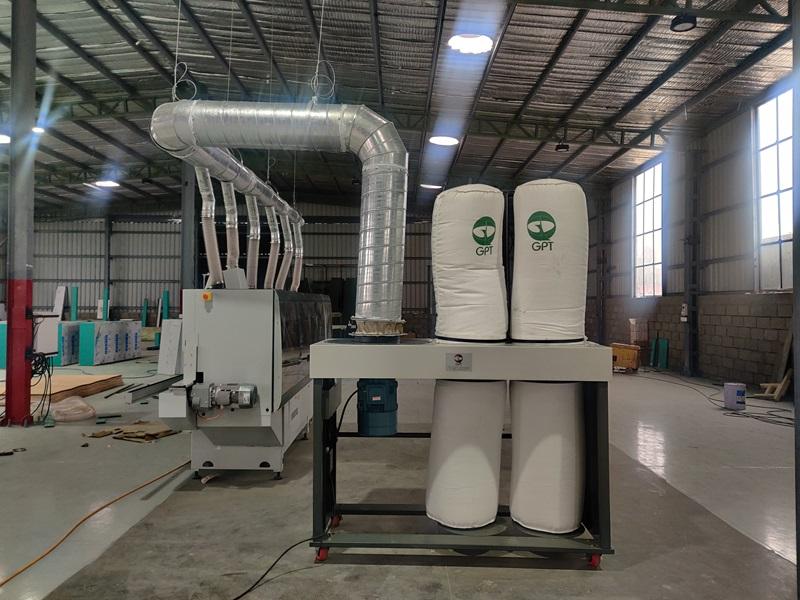
A Portable Dust Collector is a compact dust-extraction system designed to collect airborne particulate matter near a specific machine, process or work area.
Depending on its design, the unit can include a blower, filter section, dust collection chamber and discharge arrangement within a relatively compact configuration. Flexible ducting or suitable extraction connections can then connect the collector to the dust-generating source.
The key advantage is adaptability. When the production requirement changes, the extraction arrangement can often be repositioned without redesigning an entire permanent duct network.
This makes portable systems particularly relevant for workshops where machine locations or production requirements are not fixed.
Portable Does Not Mean Small-Capacity by Definition
One common misconception is that portable dust collection is suitable only for very small machines.
In reality, the appropriate system depends on the airflow requirement and application. Some operations may require a relatively modest extraction flow, while others may need considerably higher airflow to control dust effectively.
The important consideration is whether the collector can maintain the required capture velocity at the extraction point while overcoming resistance from ducting, hoses, filters and fittings.
A compact physical design is useful, but extraction performance should remain the primary engineering consideration.
Understanding the Role of Airflow
Dust extraction works when the system captures contaminated air before dust disperses throughout the workspace.
If airflow is too low, dust can escape from the machine or process before reaching the extraction point. If airflow is significantly higher than necessary, energy consumption can increase and the process may experience unnecessary suction.
This is why Portable Dust Collector selection should begin with the actual extraction requirement.
The hood or machine connection also matters. A well-positioned extraction point can capture dust more effectively than simply increasing fan capacity. The distance between the dust source and capture point can have a significant influence on system performance.
When a Portable System Can Be More Practical Than Central Extraction
Centralized dust collection remains valuable for facilities with stable layouts and multiple permanent extraction points. However, not every industrial workspace fits this model.
A portable arrangement may be considered when machines are frequently relocated, when production areas are separated, or when dust generation occurs intermittently.
It can also be useful during production expansion. A company may initially install dust control for a limited number of machines and later introduce additional equipment. Portable units can provide localized extraction while the overall facility develops toward a larger centralized system.
This makes portable collection relevant not only as an alternative to centralized extraction but also as part of a phased dust-control strategy.
Where a Cyclone Dust Collector Fits Into the System
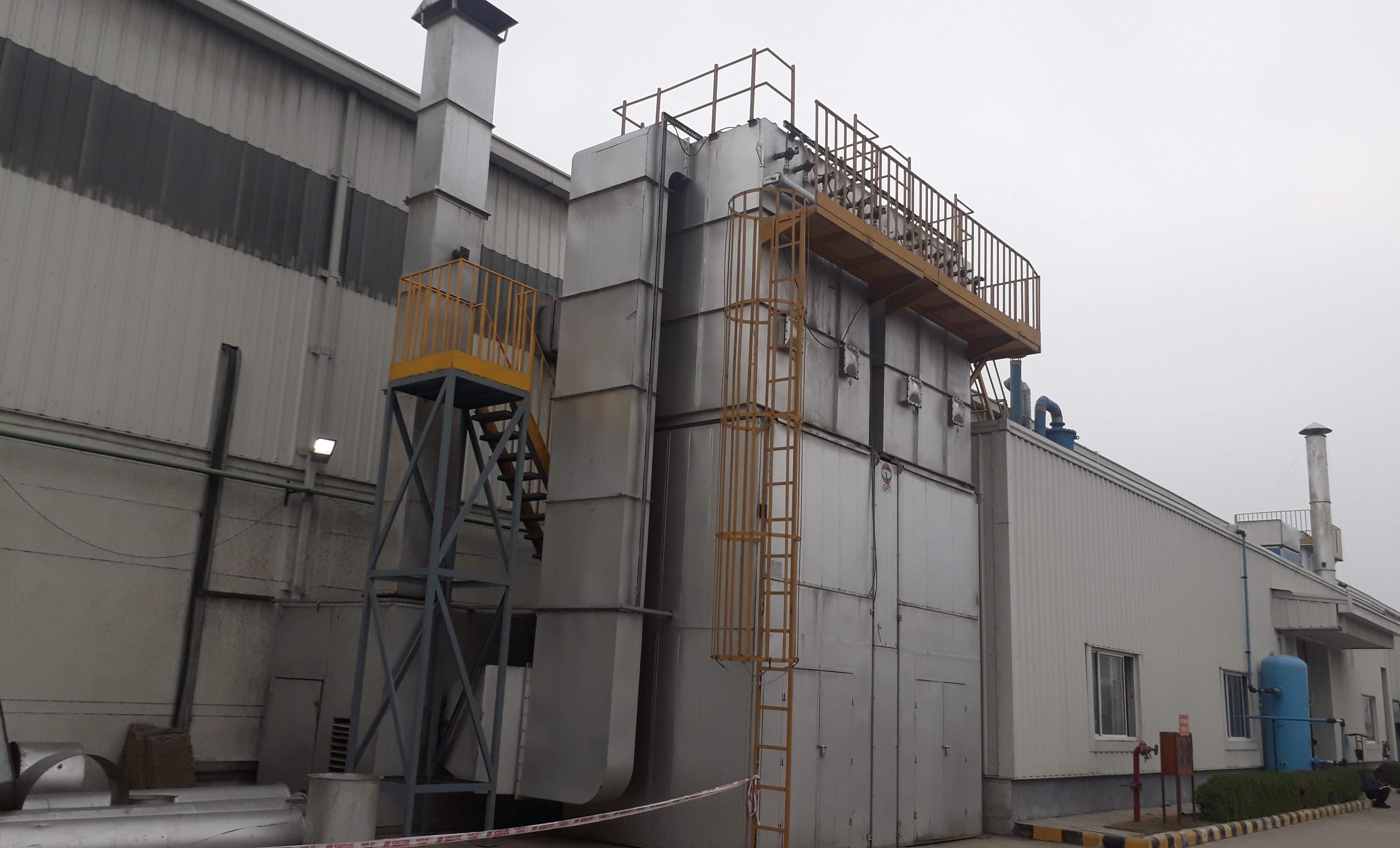
A Cyclone Dust Collector uses centrifugal separation to remove larger or heavier particles from an air stream before finer filtration.
In suitable applications, this pre-separation can reduce the particulate load reaching the final filter stage. This can be useful when the process generates a substantial quantity of coarse dust or larger particles.
However, cyclone separation is not a universal replacement for fine filtration. Very small particles can remain in the air stream and may require additional filtration depending on the application and emission requirements.
A properly engineered system may therefore use cyclone separation together with another filtration stage rather than treating the cyclone as the complete solution.
Multicyclone Dust Collector for Higher-Volume Applications
A Multicyclone Dust Collector uses multiple smaller cyclone elements operating together within a common arrangement.
This configuration can provide a practical approach for applications requiring higher airflow capacity while retaining centrifugal pre-separation principles.
Multicyclone systems can be relevant to industrial processes where large volumes of dust-laden air are generated and reducing the load on downstream filtration is beneficial.
The actual design should still be based on dust characteristics, airflow, temperature, particle size and required collection performance. The number of cyclone elements should follow the process requirement rather than being selected simply on the basis of capacity.
Portable and Centralized Systems Can Work Together
There is no requirement for an industrial facility to choose one dust-control approach for every process.
A central collector can serve permanent high-volume machines, while portable units can handle temporary workstations, relocated machinery or areas that are not practical to connect to the main duct network.
This combined approach can make dust-control planning more adaptable.
For example, a woodworking or fabrication facility may have several permanent machines connected to centralized extraction while occasional sanding, cutting or maintenance activities are handled using portable extraction equipment.
The result is a dust-control system that reflects the actual production layout rather than forcing every operation into one extraction architecture.
Filter Maintenance Determines Portable Collector Reliability
A portable collector is only useful if its filtration system remains in good condition.
As dust accumulates on the filter media, airflow resistance can increase. If the filter becomes overloaded or cleaning is inadequate, extraction performance can gradually decline.
Operators should monitor changes in airflow, pressure drop and dust-loading behaviour. Filter cleaning and replacement schedules should be based on the type and quantity of dust being handled.
Dust disposal also deserves attention. A collector that separates dust effectively but has an inconvenient or unreliable disposal arrangement can create unnecessary maintenance work.
Good access to filters and collection compartments can therefore make a noticeable difference to everyday usability.
What to Check Before Selecting Portable Dust Collector Manufacturers
When evaluating Portable Dust Collector manufacturers, the equipment should be considered in relation to the complete extraction application.
Airflow capacity, static pressure, filtration area, filter-media type, dust characteristics and machine connection should all be understood before selecting the system.
The manufacturer should also be able to explain how the collector is expected to perform under actual operating conditions rather than relying only on a nominal airflow figure.
Construction quality, access for maintenance and availability of replacement components can also affect the long-term practicality of the equipment.
A technically suitable collector should remain convenient to operate after installation, not just look appropriate in a product specification.
How Portable Dust Collector Suppliers Can Support Expansion
Working with experienced Portable Dust Collector suppliers can be useful when the production environment is changing.
A supplier that understands the process can help identify where localized extraction is appropriate and where a permanent system would be more practical.
This distinction matters because portable extraction is not intended to compensate for fundamentally inadequate ventilation design. If a facility produces continuous high-volume dust from several fixed machines, centralized extraction may be more appropriate for those operations.
Portable equipment can then be reserved for processes where flexibility provides a genuine operational advantage.
Selecting Dust Extractor Manufacturers for Application-Based Solutions
The term dust extractor can cover a wide range of equipment, from small localized collectors to industrial extraction systems.
When comparing Dust extractor manufacturers, buyers should therefore look beyond the equipment name and examine the engineering behind the system.
The manufacturer should understand the dust source, required capture airflow, filtration requirements, operating hours and installation environment. This information helps determine whether the proposed system is suitable for the application.
For industries with changing production requirements, flexibility, serviceability and future integration can be just as important as initial equipment capacity.
Dust Extractor Suppliers and Long-Term Support
The relationship with Dust extractor suppliers should not end when the equipment is installed.
Filters, motors, electrical components and other wear-related parts may eventually require inspection or replacement. Easy access to technical support and compatible replacement components can reduce unnecessary downtime.
A supplier should also be able to help users understand routine maintenance requirements, filter cleaning practices and operating indicators.
This becomes particularly important when portable collectors are used across different machines because operating conditions may change each time the equipment is relocated.
Dust Control for Workshops With Changing Machine Layouts
Production flexibility is increasingly important in manufacturing environments. Machines may be added, removed or relocated as product requirements change.
A fixed extraction system designed around yesterday's layout may not provide the same level of capture after these changes.
Portable collection equipment can help bridge that gap. It allows extraction capacity to move with the production requirement rather than remaining permanently tied to one location.
That flexibility can be valuable during plant expansion, temporary production projects, machine trials and small-batch manufacturing.
Energy Efficiency Should Also Be Considered
A portable system should not be selected solely because it is convenient to move.
The fan's operating point, duct resistance, filter condition and actual extraction requirement all influence energy consumption.
An unnecessarily high airflow can increase power demand, while a restricted or overloaded filter can make the fan work against greater resistance.
Maintaining clean filters, using correctly sized connections and avoiding excessive duct resistance can support more efficient operation.
The goal is not simply to maximize suction. It is to deliver the required capture performance with a properly balanced system.
GPT-INDIA NAP Details
Green Planet Technologies, popularly known as GPT-INDIA, works in industrial air pollution control, dust extraction and ventilation solutions.
Address: 59/2/1, Site 4, Industrial Area, Sahibabad, Distt. Ghaziabad–201010, Uttar Pradesh, India
Phone: +91-9773500660
Email: [email protected]
Website: gptindia.in
Frequently Asked Questions
What is a Portable Dust Collector used for?
A Portable Dust Collector is used to capture dust close to individual machines or work areas where a permanent centralized extraction connection may not be practical.
Can a portable dust collector replace a centralized system?
Not always. Portable equipment is useful for flexible, localized or intermittent extraction, while centralized systems may be more suitable for several permanent high-volume dust sources.
What is the purpose of a Cyclone Dust Collector?
A cyclone separates relatively larger and heavier particles from an air stream through centrifugal action. It can be used as a pre-separation stage before finer filtration in suitable applications.
When is a Multicyclone Dust Collector useful?
A Multicyclone Dust Collector can be considered for applications requiring higher airflow capacity while using multiple cyclone elements for particulate pre-separation.
What should I ask Portable Dust Collector manufacturers?
Ask about airflow, static pressure, filtration area, filter-media selection, dust characteristics, motor capacity, maintenance requirements, dust disposal and suitability for the specific machine or process.
How important is filter maintenance?
Filter condition directly affects airflow and extraction performance. Regular inspection and appropriate cleaning or replacement can help maintain consistent operation and prevent excessive resistance.
Conclusion
Dust control becomes more complicated when production environments are constantly changing. Machines move, processes expand and new work areas appear, making it difficult to depend entirely on fixed extraction infrastructure.
A Portable Dust Collector can provide useful flexibility when localized extraction is required. When combined appropriately with centralized systems, cyclone pre-separation or multicyclone arrangements, it can become part of a scalable dust-management strategy.
The key is to select equipment according to the actual dust source, airflow requirement and operating environment. With proper engineering, maintenance and application-based selection, portable extraction can support cleaner workspaces without restricting the flexibility that modern industrial production increasingly requires.

