


Low Density Ceramic Proppants Advance in Hydraulic Fracturing
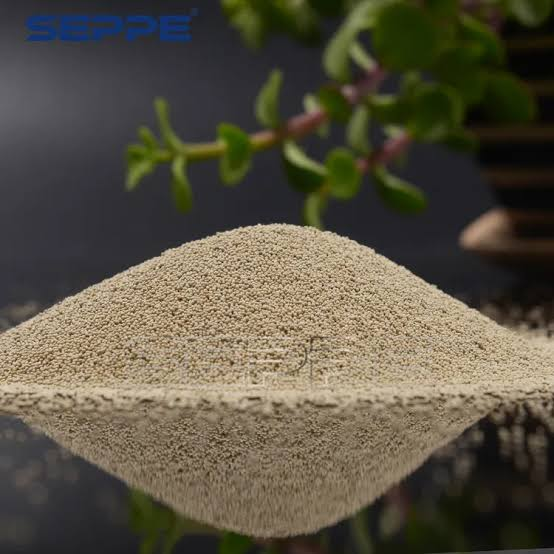
Low density ceramic proppants are engineered particles used in hydraulic fracturing to help keep induced fractures open after pumping pressure declines. Their role is important in supporting pathways through which hydrocarbons can move from reservoir rock toward the wellbore. Compared with conventional materials, lightweight ceramic proppants are designed to provide useful strength and conductivity while reducing particle density, making them suitable for selected stimulation conditions.
A recent study by Markntel Advisor highlights that the low density ceramic proppant outlook was valued at USD 3.4 billion in 2025. It is projected to grow from USD 3.56 billion in 2026 to USD 4.69 billion by 2032, registering a CAGR of 4.7% during the forecast period. Demand is being supported by continued hydraulic fracturing activity, advances in well stimulation, and the need for engineered proppants that can perform under different reservoir conditions.
Proppant Function Supports Well Stimulation
Hydraulic fracturing involves injecting fluids at high pressure to create fractures within suitable underground formations. Proppants are transported with fracturing fluids into these fractures and help prevent them from closing after treatment.
The SLB definition of proppant describes proppants as sized particles mixed with fracturing fluid to hold fractures open. The company also identifies specially engineered ceramic materials among the proppant options used in stimulation operations.
This function makes proppant selection an important part of hydraulic fracturing design.
Lightweight Properties Create Application Opportunities
Low density ceramic proppants are developed to provide a combination of reduced density and suitable mechanical performance. Lower density can influence how particles are transported through fracturing fluids and placed within the created fracture network.
Effective placement is important because uneven proppant distribution can affect fracture conductivity and ultimately influence fluid movement. SLB notes that proppant settling in low-viscosity fracturing treatments can limit fracture effectiveness, making reliable proppant transport an important operational consideration. SLB's FiberFRAC technology addresses this challenge through a fiber network designed to support proppant transport.
Ceramic Materials Support Performance Requirements
Ceramic proppants are engineered to meet specific requirements related to strength, size, shape, and conductivity. Their characteristics can make them suitable for applications where conventional sand may not provide the required performance.
SLB identifies lightweight ceramic as one of several engineered proppant types used to maintain fractures. The selection of a particular proppant depends on formation characteristics, closure stress, fracture design, and the desired production pathway.
Unconventional Reservoirs Create Demand
Hydraulic fracturing is widely associated with unconventional oil and gas development, where stimulation is used to improve access to hydrocarbons contained within low-permeability formations. Proppants are a fundamental component of these treatments because they help maintain conductive fracture pathways.
As operators encounter increasingly complex reservoir conditions, engineered materials can provide additional options for designing stimulation treatments according to specific geological and operational requirements.
Proppant Transport Influences Fracture Design
Transport characteristics are important when selecting low density ceramic proppants. During hydraulic fracturing, particles must travel through the fluid and reach targeted sections of the fracture network.
The effectiveness of this process depends on factors such as fluid properties, pumping conditions, particle characteristics, fracture geometry, and reservoir conditions. Improvements in fracturing fluid technologies are therefore closely connected with advances in proppant performance.
Halliburton, for example, develops fracturing additives intended to improve pumping efficiency and proppant delivery into reservoirs. Its FightR friction-reduction technology is designed to reduce friction pressure while supporting proppant transport.
Fracture Conductivity Remains Important
Maintaining fracture conductivity is a central objective of proppant placement. After hydraulic pressure is reduced, the proppant pack helps preserve pathways through which reservoir fluids can move.
Proppant-pack integrity can influence flow performance and production behavior. SLB's PropNET technology, for example, is designed to improve resistance to proppant flowback and maintain pack conductivity after hydraulic fracturing. SLB PropNET technology illustrates the importance of maintaining proppant placement and conductivity during production.
Technology Encourages Product Development
Manufacturers and oilfield service companies continue developing technologies that improve proppant placement, fracture stability, and stimulation efficiency. Research focuses on particle characteristics, transport behavior, fracture conductivity, and compatibility with different fracturing fluids.
Engineered ceramic materials can be tailored for specific performance requirements, providing operators with alternatives when reservoir conditions demand characteristics beyond those available from conventional proppants.
Operational Efficiency Shapes Adoption
Proppant selection can influence transportation, handling, pumping requirements, and overall stimulation design. Lightweight materials may provide operational advantages in selected applications, although performance must be evaluated against project-specific technical and economic requirements.
Operators therefore consider several factors when selecting proppants, including density, strength, particle size, conductivity, reservoir pressure, fluid compatibility, and expected production performance.
Challenges Influence Market Development
The low density ceramic proppant sector faces challenges associated with manufacturing costs, material performance, transportation, reservoir compatibility, and competition from conventional sand and other proppant types.
Operators must evaluate whether the performance characteristics of engineered ceramic materials justify their use within a particular stimulation program. Technical testing and reservoir-specific design remain important before deployment.
Innovation Shapes Future Proppant Development
The low density ceramic proppant sector is evolving through hydraulic fracturing innovation, improved fluid systems, engineered particle technologies, and increasing attention to fracture conductivity and placement efficiency. The projected increase from USD 3.56 billion in 2026 to USD 4.69 billion by 2032 reflects continued demand for specialized proppant solutions.
Future development will remain connected with unconventional reservoir activity, advanced stimulation techniques, improved transport systems, and engineered proppant performance. As operators continue optimizing hydraulic fracturing designs, low density ceramic proppants are positioned to remain an important option for applications requiring controlled particle transport and fracture support.

