


Why Driver Monitoring Systems Are Shaping Vehicle Safety
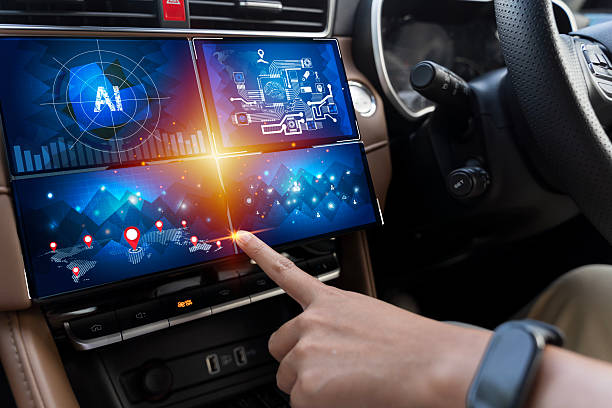
Vehicle safety is evolving rapidly as automakers integrate intelligent technologies that help reduce accidents and improve the driving experience. Among these innovations, driver monitoring systems (DMS) have become increasingly important because they continuously assess driver behavior and identify signs of fatigue, distraction, or reduced attention. Rather than focusing solely on vehicle performance, these systems emphasize the driver's condition, making road travel safer for everyone.
The growing adoption of advanced driver assistance systems (ADAS) has accelerated the demand for intelligent in-cabin technologies. Recent research on automotive safety monitoring technologies published by Markntel Advisor highlights how manufacturers are increasingly integrating driver monitoring capabilities alongside other connected vehicle features. This reflects the broader industry shift toward proactive safety rather than reactive protection.
As vehicles become more connected and automated, monitoring driver attention becomes even more critical. Many modern vehicles now combine cameras, infrared sensors, steering behavior analysis, and facial recognition algorithms to determine whether a driver remains alert. When signs of drowsiness or distraction are detected, the system can issue warnings or initiate appropriate safety responses, helping reduce the likelihood of accidents.
How Driver Monitoring Systems Work
Most driver monitoring systems rely on a combination of cameras and intelligent software. These components observe facial expressions, eye movements, blinking frequency, head position, and steering patterns to understand the driver's condition. Advanced artificial intelligence enables these systems to distinguish between normal driving behavior and situations that require intervention. Research continues to improve detection accuracy through machine learning and computer vision technologies.
Growing Importance in Modern Vehicles
The automotive industry is steadily moving toward higher levels of vehicle automation. Even with advanced driving assistance, drivers are often required to remain attentive and ready to take control whenever necessary. Driver monitoring systems support this transition by ensuring that drivers remain engaged while automated features are active.
Regulatory agencies across several regions are also encouraging the adoption of technologies that improve road safety. As safety standards continue to evolve, manufacturers are increasingly incorporating driver monitoring features into new vehicle platforms to comply with changing requirements and enhance consumer confidence.
Technologies Driving Innovation
Artificial intelligence, computer vision, infrared imaging, and sensor fusion have significantly improved the capabilities of driver monitoring systems. These technologies enable real-time analysis under different lighting conditions while minimizing false alerts. Continuous software improvements also allow systems to recognize increasingly complex behavioral patterns, making driver monitoring more reliable and effective.
Benefits Beyond Safety
Although accident prevention remains the primary objective, driver monitoring systems also contribute to a better driving experience. Personalized cabin settings, adaptive vehicle responses, and intelligent human-machine interaction are becoming possible through continuous driver recognition. These features improve convenience while supporting safer and more comfortable journeys.
Future Outlook
The future of automotive safety will increasingly depend on intelligent in-cabin technologies that understand both the vehicle and its occupants. As automation, connectivity, and artificial intelligence continue to advance, driver monitoring systems are expected to become a standard component across a wider range of vehicle categories. Their ability to enhance driver awareness while supporting advanced safety functions positions them as one of the most important technologies shaping the next generation of mobility. Continued academic and industry research is expected to further strengthen their accuracy, usability, and integration with autonomous driving systems.

