


Cleaning Solutions Gain Importance Across the UAE’s Expanding Urban Economy
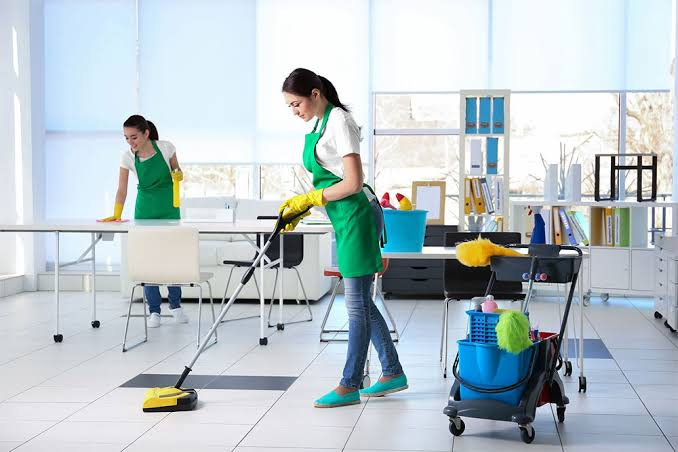
Cleaning products support hygiene, appearance, surface protection, and operational continuity across homes, offices, hotels, hospitals, restaurants, schools, shopping centres, industrial facilities, and public spaces. The category includes surface cleaners, floor cleaners, glass cleaners, toilet-care products, kitchen cleaners, disinfectants, and specialised formulations. Across the UAE, rapid urban development and intensive use of shared facilities are strengthening the need for consistent and professionally managed cleaning practices.
A recent study by Markntel Advisor highlights that the UAE cleaners sector was valued at USD 168 million in 2025. It is projected to grow from USD 178 million in 2026 to USD 255 million by 2032, registering a CAGR of 6.17% during 2026–2032. Expansion reflects residential development, hospitality activity, commercial construction, organised retail, and increasing attention to everyday hygiene.
Urban Development Expands Cleaning Requirements
The UAE continues to develop residential communities, offices, hotels, retail destinations, transport facilities, educational institutions, and entertainment venues. These environments contain different materials and experience varying levels of traffic, requiring cleaning products suited to glass, stone, metal, wood, ceramics, textiles, and synthetic surfaces.
Large buildings also require scheduled maintenance rather than occasional cleaning. Facility managers must consider the frequency of use, surface type, visible soil, food contact, moisture, and occupant safety when selecting products. General-purpose cleaners may support routine maintenance, while specialised formulations are required for kitchens, washrooms, industrial areas, and delicate surfaces.
Residential Use Supports Everyday Product Demand
Homes represent an important application area for floor cleaners, dishwashing liquids, toilet cleaners, glass sprays, kitchen degreasers, fabric-care products, and multipurpose formulations. The study indicates that residential users accounted for 58% of the UAE cleaners landscape in 2026, reflecting the regular use of cleaning products across apartments, villas, and shared residential facilities.
Consumers increasingly seek products that combine convenience with effective cleaning. Ready-to-use sprays, concentrated liquids, wipes, refill formats, and products designed for specific surfaces allow households to select solutions according to individual tasks. Clear instructions remain important because incorrect dilution or mixing can reduce effectiveness and create avoidable safety risks.
Hospitality Requires Consistent Cleaning Standards
Hotels, restaurants, resorts, cafés, and serviced residences depend on visible cleanliness and well-maintained facilities. Guest rooms, kitchens, washrooms, dining areas, swimming facilities, and common spaces each require different cleaning schedules and product types.
Routine removal of dust, oils, food residue, and other visible contamination is a fundamental step before targeted disinfection. The World Health Organization’s environmental-cleaning guidance emphasises structured procedures, staff preparation, and appropriate cleaning practices in healthcare environments. Similar operational principles—defined responsibilities, correct products, training, and consistent procedures—are relevant to other professionally managed facilities.
Surface Cleaners Lead Product Adoption
Surface cleaners represented 28% of UAE demand in 2026. Their broad use reflects the number of frequently maintained surfaces found across homes and commercial buildings, including worktops, desks, floors, doors, handles, counters, appliances, and bathroom fixtures.
Product selection should distinguish between cleaning and disinfection. Cleaning removes dirt and organic matter, while disinfection uses chemical agents to reduce microorganisms. The CDC’s environmental-cleaning procedures recommend neutral detergent and water for scheduled cleaning of low-touch surfaces under normal conditions, with additional disinfection where contamination or operational risks require it.
Healthcare and Shared Facilities Need Structured Processes
Hospitals, clinics, laboratories, schools, gyms, and public facilities experience repeated contact with shared surfaces. Effective hygiene programmes require cleaning schedules, colour-coded equipment, suitable chemical concentrations, trained staff, and attention to high-touch points.
Applying more chemical than recommended does not necessarily improve results. Products require correct dilution and sufficient contact time, while visible dirt may interfere with disinfectant performance. Cleaning teams must therefore follow the manufacturer’s instructions and avoid mixing incompatible substances. Ventilation, personal protective equipment, secure storage, and clear labelling further support safe handling.
Regulation Shapes Product Quality and Labelling
Cleaning and detergent products must meet applicable safety and conformity requirements before distribution. The UAE’s technical regulation for detergents includes requirements related to product conformity and supporting documentation. The relevant UAE Cabinet Resolution establishes technical obligations for detergents placed in the country.
Regulatory compliance encourages manufacturers and importers to review formulations, safety information, packaging, instructions, and product claims. Clear labelling is particularly important where concentrated chemicals, disinfectants, fragrances, or products intended for specialised professional use are involved.
Sustainability Influences Product Development
Environmental considerations are encouraging interest in concentrated products, refill systems, recyclable packaging, controlled dosing, and formulations designed to reduce unnecessary chemical or water use. Concentrates can lower packaging and transportation requirements, although they depend on accurate dilution at the point of use.
Commercial buyers are also examining dispensing systems that control product quantities and reduce inconsistent manual dosing. Progress will depend on product performance, affordability, packaging infrastructure, user education, and the ability to verify environmental claims without compromising hygiene requirements.
A More Professional Approach to Everyday Hygiene
The UAE’s cleaners landscape is being shaped by urban growth, residential demand, hospitality activity, facility management, healthcare requirements, and product regulation. Future development will depend on construction activity, consumer preferences, safety standards, sustainability initiatives, and advances in concentrated and application-specific formulations. As buildings and shared environments become more complex, cleaning products will remain central to maintaining functional, hygienic, and well-managed spaces.

