


How E-Bikes Are Reshaping Urban Mobility in Australia
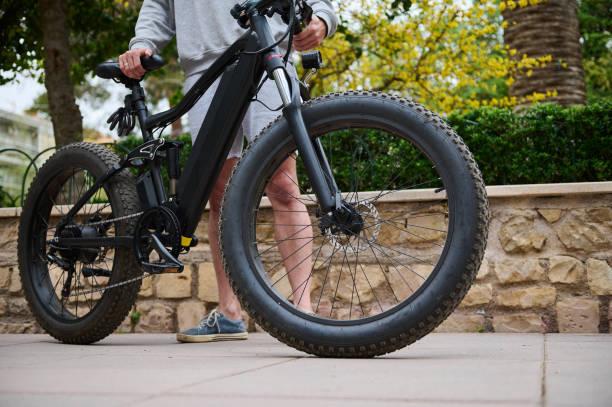
Australia’s urban transport landscape is gradually changing as commuters look for practical alternatives to conventional cars and public transport. E-bikes combine pedal assistance with electric power, allowing riders to cover longer distances with less physical effort. Their relevance is particularly visible in busy urban areas, where congestion, commuting costs, environmental concerns, and interest in active lifestyles are influencing transportation choices.
According to MarkNtel Advisors, the Australian e-bike landscape is shaped by factors including demand for sustainable alternatives, government initiatives, infrastructure development, battery technology, smart features, and consumer use patterns.
The expanding electric bicycle ecosystem in Australia reflects a broader shift toward cleaner and more flexible mobility. E-bikes can support daily commuting, recreational cycling, short-distance travel, delivery operations, and shared mobility services. As infrastructure and product capabilities continue to develop, their role is moving beyond leisure cycling toward a more integrated component of urban transportation.
Why E-Bikes Are Gaining Attention
One important factor behind e-bike adoption is the need for sustainable transportation options. Conventional road transportation contributes significantly to emissions and congestion, encouraging consumers and policymakers to consider lower-emission alternatives. E-bikes provide electrically assisted mobility without requiring the infrastructure associated with larger electric vehicles, making them suitable for many short and medium-distance journeys.
Another factor is changing consumer attitudes toward personal mobility. E-bikes can offer a balance between cycling and motorized transportation because electric assistance reduces the effort required to navigate longer routes, inclines, and challenging urban conditions. This makes them attractive to commuters who want to incorporate physical activity into their routines without relying entirely on conventional bicycles.
Smart Technology Is Changing the E-Bike Experience
Modern e-bikes are increasingly incorporating digital features that extend beyond basic electric assistance. GPS tracking, smartphone connectivity, digital displays, smart locking systems, and connected applications can improve convenience, security, and rider interaction. These technologies are also helping manufacturers differentiate products by providing functions that resemble those found in connected consumer electronics.
Smart security is particularly relevant as e-bike ownership increases. Integrated tracking and connected locking technologies can help riders monitor their bicycles and respond more effectively to theft risks. Mobile applications can also provide information about battery condition, riding modes, location, and other operating parameters, creating a more connected ownership experience.
The Importance of Battery Technology
Battery technology remains central to the usability of an e-bike. Lithium-ion batteries are widely preferred because they offer a combination of energy density, comparatively low maintenance requirements, and useful service life. These characteristics allow manufacturers to design products that balance riding range, weight, performance, and charging requirements.
Battery costs, however, remain an important consideration for consumers. An e-bike represents a larger initial investment than a conventional bicycle, and battery replacement can add significantly to ownership expenses. This creates an ongoing need for improvements in battery durability, energy efficiency, charging performance, and overall lifecycle economics.
Infrastructure Can Influence Adoption
E-bike adoption does not depend only on vehicle technology. Cycling infrastructure plays an equally important role in determining how comfortable and practical e-bikes are for everyday transportation. Dedicated cycleways, safer intersections, secure parking, and better connections between residential areas and commercial districts can encourage more people to consider bicycles for regular travel.
Infrastructure investment can also support the broader integration of e-bikes into urban mobility planning. When cycling routes connect effectively with public transportation networks, riders can use e-bikes for first- and last-mile journeys. This creates opportunities for e-bikes to complement buses, trains, and other shared transportation options rather than operating as an isolated mobility solution.
Personal Commuting Remains a Key Use Case
Personal transportation is an important application for e-bikes because commuters often face recurring challenges associated with traffic congestion, parking availability, fuel expenses, and travel time. In cities such as Sydney and Melbourne, electric assistance can make cycling more practical for people who may otherwise consider conventional cycling too physically demanding or inconvenient for daily travel.
Health considerations can further support personal use. E-bikes still require riders to pedal, while electric assistance allows users to adjust the amount of effort required. This combination can appeal to people seeking an active form of transportation while maintaining greater flexibility over physical exertion and travel distance.
Challenges Could Shape Future Adoption
Despite their advantages, e-bikes face several barriers. High purchase prices can discourage price-sensitive consumers, particularly when compared with conventional bicycles. Imported components and finished products can also influence retail pricing. In addition, limited domestic production capacity can increase reliance on international supply chains, potentially exposing businesses and consumers to logistical and cost pressures.
Regulatory requirements also influence how e-bikes are designed, sold, and used. Product classifications, motor specifications, safety requirements, and local transportation rules can differ depending on jurisdiction and vehicle characteristics. Manufacturers, retailers, and consumers therefore need to understand applicable requirements when selecting or introducing e-bike products.
What the Australian E-Bike Landscape Could Mean
Australia’s e-bike landscape is developing through the interaction of technology, infrastructure, consumer preferences, and public policy. Continued improvements in connected features and battery systems can enhance product usability, while cycling infrastructure can make e-bikes more practical for everyday journeys. At the same time, affordability and supply-chain considerations will remain important factors influencing broader adoption.
As urban mobility priorities evolve, e-bikes are increasingly positioned between traditional bicycles and fully motorized transportation. Their ability to combine electric assistance, active travel, and relatively flexible infrastructure requirements gives them relevance across commuting, recreation, delivery, and shared mobility applications. The Australian experience illustrates how changing mobility needs can create space for new forms of practical, connected transportation.
Overall, the development of e-bikes in Australia is likely to remain closely connected to how cities approach sustainable mobility and active transportation. The balance between affordability, infrastructure availability, technological innovation, safety, and everyday convenience will determine how effectively e-bikes become part of mainstream urban travel.

