


How Can Changheng Custom Size Saw Blades Solve Cutting Challenges
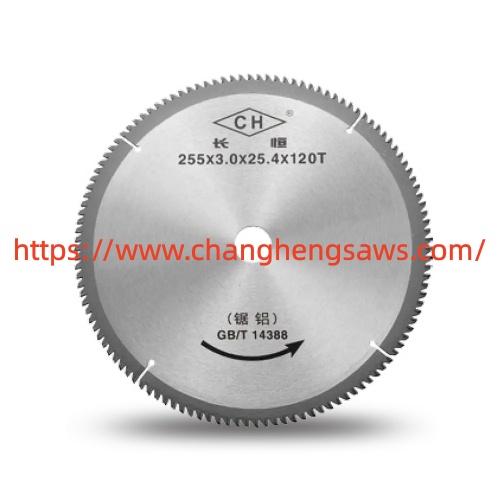
Custom Size Saw Blades can help manufacturers address difficult cutting challenges when standard tooling does not match the dimensions, material properties, or operating requirements of a particular application. In industrial production, an unsuitable cutting tool may cause uneven edges, excessive material waste, vibration, or repeated machine adjustments. Careful specification planning gives production teams a practical way to address these issues and select tooling that fits their working conditions.
Manufacturing processes vary considerably between industries. A furniture workshop may need clean cuts on engineered wood panels, while a metal processing facility may work with tubes, profiles, or solid sections. Plastic fabrication can involve different thicknesses and shapes, each presenting its own cutting demands. These differences make it important to consider the workpiece and production process before deciding which tool configuration to use.
One common challenge occurs when existing equipment uses a nonstandard mounting arrangement. The outer diameter, central bore, plate thickness, and additional mounting holes may all affect compatibility. A small mismatch can prevent correct installation or create operating concerns. Before requesting a quotation, buyers should check the machine manual, inspect the existing tool, and confirm the required measurements. Technical drawings can also help communicate special requirements clearly.
Material selection deserves equal attention. Wood, aluminum, steel, plastic, and composite materials behave differently under cutting pressure. Some materials produce long chips, while others generate fine particles or require particular tooth geometries. The number of teeth, cutting edge design, and tool material should therefore be considered alongside workpiece thickness and the intended finish. A configuration suited to one application may not deliver the same results in another.
Changheng supports industrial customers seeking cutting solutions for varied manufacturing requirements. When discussing a project with a supplier, buyers can provide the material grade, workpiece dimensions, machine model, operating speed, and expected production volume. Sharing details about existing problems, such as rough edges or frequent tool changes, can help the manufacturer assess the application more effectively.
Another important consideration is the relationship between cutting performance and material loss. The width of the cut affects how much material is removed during each pass. For production involving valuable raw materials or repeated cutting operations, this factor may influence purchasing decisions. However, a narrower cutting path is not automatically suitable for every process. Machine stability, tool construction, material characteristics, and the required finish must also be considered.
Production teams should also review the cutting conditions. Feed rate, rotational speed, workpiece clamping, and machine rigidity can affect the final result. Incorrect settings may contribute to overheating, vibration, uneven edges, or premature wear. Rather than relying on assumptions, operators can conduct controlled trials with representative workpieces and record the results. This approach helps identify practical adjustments before a new specification enters regular production.
For manufacturers handling several product lines, flexibility in tooling arrangements can also simplify planning. Different workpieces may require different diameters, tooth counts, mounting dimensions, or cutting geometries. Providing clear specifications for each application helps purchasing teams organize repeat orders and communicate technical requirements between production, maintenance, and procurement departments. It also reduces the chance of ordering a replacement that does not match the intended machine.
Quality checks remain important after installation. Operators should verify that the tool is mounted according to the equipment instructions and that the machine operates within the specified limits. During initial production, they can inspect edge condition, dimensional accuracy, noise, vibration, and visible wear. Unexpected changes should prompt a review of the setup rather than an automatic assumption that the tool itself is responsible.
Choosing an industrial cutting solution is therefore a process of matching several factors rather than focusing on a single measurement. Accurate drawings, material information, machine specifications, and realistic production targets provide a useful foundation for supplier discussions. These details help manufacturers assess technical feasibility and recommend configurations for evaluation under actual working conditions.
Changheng works with industrial buyers looking for cutting products suited to their production tasks. Whether a project involves replacement tooling, special mounting requirements, or a different workpiece configuration, sharing clear technical information can make the selection process more straightforward. Visit https://www.changhengsaws.com/ to review the company website and explore available product information for your application.

