


Canadian Ranches Turn to Digital Records as Herd Tracking Grows Up
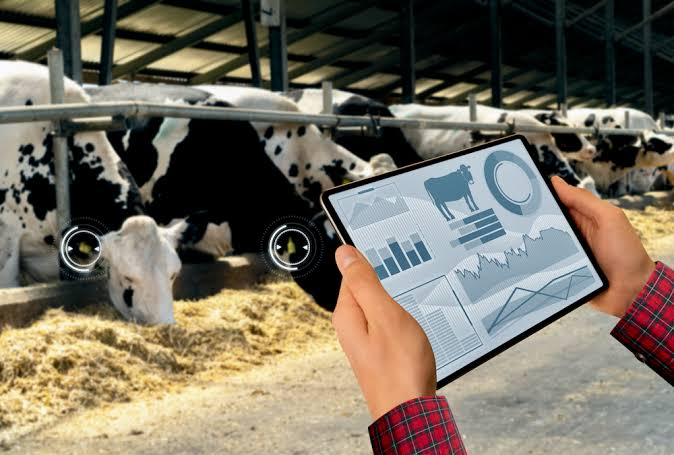
Keeping track of cattle once meant ear tags, paper notebooks and a memory for which animal came from which pasture. Software now gathers those scattered notes into one record that follows an animal from birth through sale, slaughter or export. Each entry notes identity, movement and health events, so a ranch, an auction yard and a processor can all read the same history.
A recent study by Markntel Advisor highlights that the Canada livestock traceability software outlook was valued at USD 55 million in 2025 and is projected to grow from USD 61 million in 2026 to USD 114 million by 2032, registering a CAGR of 10.98% during 2026–2032. Beef cattle and bison represented 40% in 2026, while livestock producers held 46%.
Beef Herds Lead Adoption as Tagging Becomes Routine on Ranches
Beef cattle and bison sit at the centre of this shift because their animals move between pasture, feedlot, auction and processing plants. Each move creates a record to keep, and a missed entry can slow a sale or a health investigation. Software turns that chore into a routine step, logging a tag scan at the chute and attaching it to the animal's file without extra paperwork later.
The habit spreads because it saves arguments as much as time. When a buyer asks where an animal has been, the seller can show a dated trail instead of relying on memory or a faded notebook. That confidence matters at auction, where provenance can shape the price a pen of calves brings. For larger herds, the record also helps managers spot animals that missed a treatment or a move.
Producers Carry the Load While Software Quietly Does the Paperwork
Livestock producers account for the largest share of users, which makes sense because they generate most of the records. A producer opens the day by checking which animals need attention, then records births, treatments and departures as they happen. The software keeps those entries in order, so an inspector or a veterinarian can review a complete history without digging through filing cabinets.
That daily discipline also changes how small operations cope with rules. Producer guidance on approved tags and reporting explains what identification animals need before leaving a farm of origin and how events should be reported. When those steps live inside the same tool used for feeding and breeding notes, compliance stops feeling like a separate job and becomes part of the morning routine.
Cloud Tools Replace Paper Trails Across Barns and Auction Yards
Deployment choices shape how widely these tools spread, with cloud-based, on-premise and hybrid options each finding their own audience. Cloud tools appeal to operations that want records available from a phone in the field, while on-premise setups suit farms with patchy connectivity or a preference for keeping data on site. Hybrid arrangements try to offer both, syncing when a connection returns and working offline in the meantime.
The practical payoff shows up when animals change hands. A movement recorded at loading can be visible to the receiving yard before the truck arrives, which trims phone calls and duplicate entry. Proposed tagging and reporting changes described in farm press coverage point toward tighter movement reporting, and software that already captures events at the source is better placed to absorb those changes without a scramble.
Disease Readiness Gives Digital Records a Sharper Practical Edge
Traceability earns its keep most clearly when something goes wrong. A disease scare demands fast answers about which animals shared a pen, a truck or a pasture, and a digital trail can narrow that list in hours rather than days. That speed limits the number of farms caught in a hold order and protects trade relationships that depend on credible animal health assurances from the whole country.
The same records also support everyday herd health work. Managers can review treatment histories before deciding which animals to breed, sell or hold back, and patterns across seasons become easier to see. Over time, the record grows into a working memory for the operation, one that does not retire, move away or forget a detail from three calving seasons ago.
Steady Uptake, Not Hype, Will Decide the Next Phase for Herd Data
Growth here looks less like a sudden boom and more like a steady widening of habits that already work. Paid software adoption, cloud subscriptions and integration services are expected to carry expansion, rather than a surge in animal numbers alone. The top five providers together hold just over half of the space, which leaves room for smaller tools that fit particular species, regions or ways of working.

