


What Should Buyers Check Before Choosing SPC Flooring?
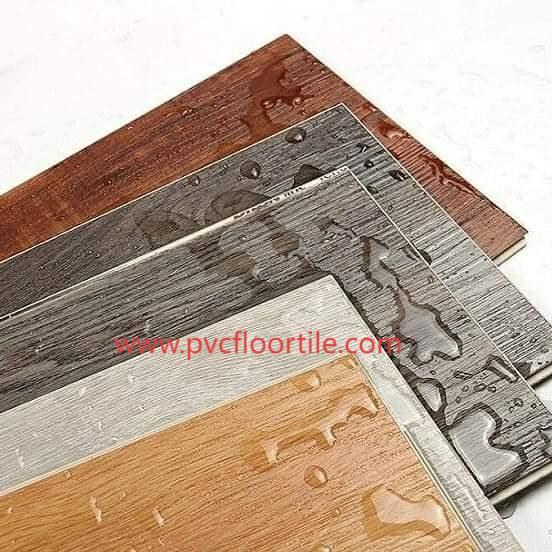
SPC Flooring is widely considered for apartments, offices, retail spaces, hotels, and renovation projects. For importers, distributors, contractors, and property developers, purchasing decisions should involve more than colour selection and unit pricing. Product construction, surface specifications, installation conditions, quality documentation, and delivery arrangements all deserve attention. Reviewing these details before placing an order helps buyers compare quotations and select materials that correspond with project requirements.
Understand the Product Layer Structure
Start by asking the supplier for a complete construction diagram. A typical rigid-core plank may include a protective surface coating, a transparent wear layer, a decorative film, a composite core, and an optional attached underlay.
Each layer serves a different purpose. The decorative film determines the visual style, while the protective surface helps maintain its appearance during everyday use. The core provides structural support, and an attached underlay may contribute to underfoot comfort and sound-related performance.
Buyers should request the thickness of individual layers rather than relying only on the overall plank measurement. It is also useful to confirm whether the total thickness includes the backing material. This information makes it easier to compare products from different manufacturers on an equivalent basis.
Select Surface Specifications for the Application
The required wear-layer specification depends on where the product will be installed. Bedrooms, living rooms, commercial corridors, and retail areas can have different levels of foot traffic. Buyers should explain the intended application and ask the supplier to recommend suitable specifications based on documented product information.
Surface texture and finish are also worth reviewing. Matte, embossed, and wood-inspired finishes create different visual effects. When choosing a collection for a large development, request several samples and compare them under the lighting conditions expected at the installation site.
Pay attention to pattern variation as well. Repeated decorative images may become noticeable across an extensive floor area. Reviewing multiple planks together provides a clearer impression of the finished appearance than examining a single sample.
Inspect Dimensions and Locking Connections
Plank dimensions influence room layout, material calculations, and installation planning. Confirm the length, width, thickness, and dimensional tolerances stated in the technical documentation. Buyers should also ask whether these measurements remain consistent across production batches.
The locking connection needs practical evaluation. Request an installation guide and, where possible, assemble several sample pieces. Check whether the edges align, whether the joints connect smoothly, and whether the assembled surface appears consistent.
For projects involving connected rooms or larger open spaces, discuss expansion gaps, transition profiles, and installation direction with the supplier. These details should be considered during the planning stage rather than after materials arrive at the site.
Assess the Installation Environment
A suitable product still requires an appropriate installation environment. Before ordering, inspect the subfloor for flatness, cleanliness, and moisture conditions. Uneven surfaces may affect joint connections, while unresolved moisture issues can create problems beneath the finished surface.
Room conditions should also be considered. Strong sunlight, temperature changes, heavy furniture, and regular cleaning can influence product selection and maintenance planning. Ask the supplier for installation guidance covering temperature ranges, acclimation requirements where applicable, and recommended cleaning methods.
For kitchens, bathrooms, basements, or other moisture-prone areas, request clear information about water-resistance properties and installation limitations. Buyers should distinguish between the performance of the plank itself and the protection provided by the complete installed floor system.
Review Testing Documents and Warranty Terms
Technical documents help buyers verify whether a product matches the project specification. Depending on the target market and application, relevant documents may include product data sheets, test reports, certificates, installation instructions, and warranty information.
Check that each document identifies the correct model and specification. A general company certificate may not provide sufficient information about a particular product. If a project requires specific testing standards, communicate those requirements before production begins.
Warranty conditions also need careful reading. Review the coverage period, applicable usage conditions, exclusions, and procedures for reporting a product issue. Buyers should keep approved samples, product codes, and order records together for future reference.
Confirm Packaging and Order Details
Packaging affects storage, handling, and transportation. Ask how many planks are included in each carton, the coverage per package, and how cartons are labelled. For international shipments, confirm pallet dimensions, loading arrangements, protective materials, and shipping documentation.
Before approving a quotation, make sure it identifies the selected colour, dimensions, product construction, quantity, accessories, and delivery schedule. If the order involves multiple designs, list each model separately to reduce the possibility of confusion during production and inspection.
It is also useful to agree on a sample approval process. Keep a signed or otherwise confirmed reference sample so that the buyer and manufacturer have a shared standard for checking appearance and product details.
Compare Suppliers Beyond Unit Price
A quotation should be assessed alongside production planning, communication, technical support, and order management. Buyers can ask how the manufacturer handles inspection, manages batch identification, and responds to questions about product specifications.
For distributors and contractors, reliable communication is particularly useful when coordinating several project schedules or arranging repeat purchases. A supplier that provides clear documentation and explains product options can make the procurement process easier to manage.pvcfloortile provides product options for buyers reviewing different interior requirements. Before making a purchasing decision, prepare the project dimensions, preferred colours, intended application, and technical expectations for discussion with the supplier. Visit https://www.pvcfloortile.com/ to review available products and obtain further information for your project.

