


The Ultimate Guide to Engineered Hardwood Flooring
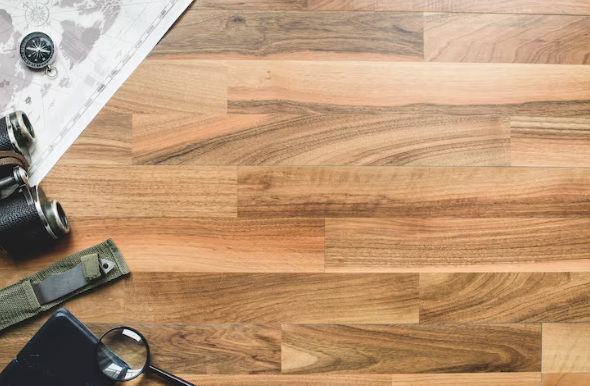
Choosing the right flooring for your home or office can be a daunting task. With a myriad of options available, it is important to select a type that combines durability, aesthetic appeal, and ease of maintenance. Among the top choices for homeowners and designers alike is engineered hardwood flooring. This innovative flooring solution offers the natural beauty of traditional hardwood with added stability and flexibility, making it suitable for a wide range of spaces.
What is Engineered Hardwood Flooring?
Engineered hardwood flooring is a layered flooring product designed to mimic the look and feel of solid hardwood while improving on some of its limitations. Unlike solid hardwood, which is made from a single piece of wood, engineered hardwood consists of multiple layers of wood veneer stacked and bonded together. The top layer, called the wear layer, is made from high-quality hardwood, giving it the authentic appearance of traditional wood floors. The underlying layers are typically composed of plywood or high-density fiberboard, which provides enhanced stability and resistance to moisture.
This construction method allows engineered hardwood to withstand changes in temperature and humidity better than solid hardwood. For homes located in areas with fluctuating climates or in spaces prone to moisture, such as basements or kitchens, engineered hardwood flooring is often a superior choice.
Benefits of Engineered Hardwood Flooring
There are several reasons why homeowners and designers increasingly prefer engineered hardwood flooring over other types of flooring. These benefits include:
1. Durability and Stability
The multi-layer construction of engineered hardwood makes it less likely to warp or swell when exposed to moisture or temperature changes. The cross-ply layers beneath the top veneer help resist expansion and contraction, ensuring that your floor remains flat and stable for years to come.
2. Aesthetic Versatility
Engineered hardwood flooring comes in a wide range of wood species, finishes, and plank sizes. Whether you desire a sleek, modern look with lighter tones like oak or maple, or a richer, traditional style with walnut or mahogany, there is an engineered hardwood option to match your interior design vision. The wear layer can also be sanded and refinished, although typically fewer times than solid hardwood, allowing for long-term customization.
3. Ease of Installation
One of the significant advantages of engineered hardwood flooring is its ease of installation. Unlike solid hardwood, which often requires nails and extensive subfloor preparation, engineered hardwood can be installed using a floating method, glue-down, or even as a click-and-lock system. This flexibility allows for quicker installation and makes it a viable option for DIY projects, saving both time and labor costs.
4. Eco-Friendly Option
With sustainability becoming a priority in home design, engineered hardwood flooring stands out as an eco-friendly choice. Since the top veneer layer is thinner than solid hardwood planks, less precious hardwood is used overall. Additionally, the underlying layers are often made from fast-growing, renewable wood species, reducing the overall environmental impact.
Types of Engineered Hardwood Flooring
Engineered hardwood flooring comes in a variety of types and finishes, allowing homeowners to select a style that best suits their needs and preferences. The most common types include:
- Pre-finished Engineered Hardwood: These planks come with a factory-applied finish, ready to install immediately. They save time and reduce on-site mess.
- Unfinished Engineered Hardwood: This type allows for on-site sanding and finishing, offering a more customized look but requiring additional labor.
- Click-Lock Engineered Hardwood: Ideal for floating installations, this type locks together without glue or nails, making installation faster and simpler.
- Glue-Down Engineered Hardwood: Provides a permanent, stable installation, often recommended for concrete subfloors or areas with higher moisture levels.
Maintenance Tips for Engineered Hardwood Flooring
Maintaining engineered hardwood flooring is relatively simple, but following the right care routines can significantly extend its lifespan and preserve its appearance. Here are some key tips:
- Regular Cleaning: Sweep or vacuum frequently to remove dust and debris that can scratch the surface. Use a soft-bristle broom or a vacuum with a hardwood floor attachment.
- Damp Mopping: Clean the floor occasionally with a damp (not wet) mop and a cleaner specifically formulated for hardwood floors. Avoid using excessive water, as it can seep into the seams and damage the layers.
- Protective Pads: Place felt pads under furniture legs to prevent scratches and dents. Area rugs in high-traffic zones can also minimize wear.
- Humidity Control: Maintain indoor humidity between 35% and 55% to prevent the planks from expanding or contracting excessively.
- Refinishing: While engineered hardwood can be refinished, it is recommended only a few times due to the thinner wear layer. Always consult a professional for sanding and refinishing.
Applications and Ideal Spaces
Engineered hardwood flooring is incredibly versatile and can be installed in nearly any room. Some of the most popular applications include:
- Living Rooms and Bedrooms: Its natural look enhances comfort and warmth, creating inviting spaces.
- Kitchens and Dining Areas: Thanks to its resistance to moisture and temperature changes, engineered hardwood performs well in areas prone to spills and humidity.
- Basements and Lower Levels: Solid hardwood is generally not recommended for below-grade installations due to moisture risks. Engineered hardwood, however, handles these environments more effectively.
- Commercial Spaces: Its durability and ease of maintenance make it suitable for offices, boutiques, and other light-commercial applications.
Comparing Engineered Hardwood with Solid Hardwood
While both solid and engineered hardwood floors offer beauty and durability, there are key differences to consider:
- Moisture Resistance: Engineered hardwood is less prone to warping and swelling, making it ideal for areas with humidity fluctuations.
- Installation: Engineered hardwood is easier and faster to install, offering multiple methods.
- Cost: Engineered hardwood can be more cost-effective, especially for exotic wood species, since it uses less solid wood.
- Longevity: Solid hardwood may last longer and withstand more refinishing cycles, but engineered hardwood still offers a durable solution for decades with proper care.
Conclusion
For homeowners seeking the perfect balance between beauty, durability, and practicality, engineered hardwood flooring is an outstanding choice. Its layered construction ensures stability across various environments, while the hardwood veneer provides the timeless elegance of natural wood. From modern interiors to traditional homes, engineered hardwood flooring adapts seamlessly, enhancing every space it graces.
Whether renovating your home, upgrading your basement, or designing a commercial space, investing in engineered hardwood flooring ensures a durable, stylish, and eco-conscious solution that can serve your needs for years to come. Its combination of versatility, ease of installation, and low maintenance makes it a flooring option that stands out in both performance and appearance.

