


Industrial Flask Production Machine for Efficient Manufacturing
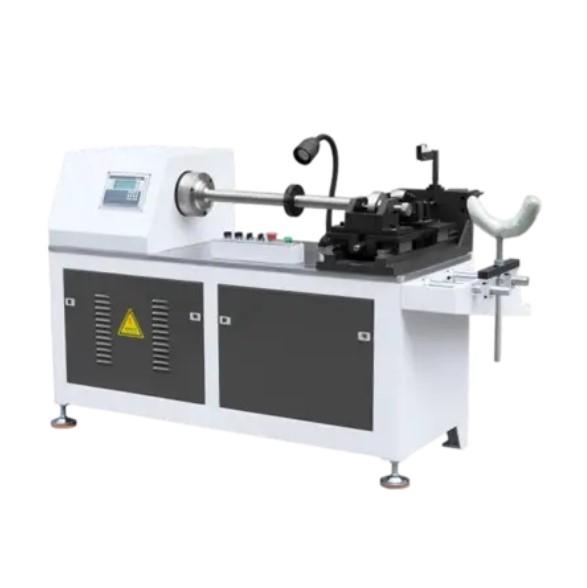
As the demand for insulated drinkware continues to create opportunities for manufacturers, choosing suitable production equipment has become an important part of factory development. An Industrial Flask Production Machine helps manufacturers organize different processing procedures, from metal preparation to component assembly, while a properly configured Industrial Flask Production Machine can support production planning for various flask structures and manufacturing requirements. Understanding equipment functions, workshop conditions, and product specifications can help businesses establish a practical manufacturing system that responds to changing customer expectations.
Understanding the Requirements of Industrial Flask Manufacturing
Industrial flask manufacturing involves several processes that need to work together. Depending on the product design, production may include stainless steel cutting, tube expansion, neck forming, edge trimming, welding, polishing, and vacuum insulation treatment.
Each process requires suitable machinery and appropriate operating procedures. For example, forming equipment needs to accommodate the dimensions and material characteristics of the stainless steel components. Welding machinery must also match the structural requirements of the inner liner and outer shell.
Different flask products may have different shapes, openings, capacities, and surface finishes. Therefore, manufacturers should identify their target product range before selecting equipment. Understanding these requirements makes it easier to determine which machines are necessary and how they should be arranged within the workshop.
Equipment Configuration and Production Line Coordination
A well-organized manufacturing line depends on the relationship between individual machines. When processing equipment is arranged according to the actual production sequence, material movement and workshop management can become more straightforward.
Manufacturers should consider how components move between different processing stations. For example, formed stainless steel parts may need to pass through trimming, welding, and polishing procedures before entering subsequent assembly stages.
Several equipment configuration factors deserve attention:
-
Processing compatibility: Machines should accommodate the dimensions and material specifications of the intended flask products.
-
Production sequence: Equipment should follow a logical manufacturing arrangement.
-
Material handling: Storage and transfer areas should allow convenient movement of components.
-
Operating accessibility: Workers need sufficient space for loading, inspection, and routine maintenance.
-
Future flexibility: Equipment configurations should consider possible changes in product designs.
Careful planning can help reduce unnecessary handling and make the overall manufacturing process easier to manage.
YKBAOWENBEIJIX Machinery for Industrial Flask Production
For businesses developing or upgrading their manufacturing facilities, YKBAOWENBEIJIX provides machinery solutions for stainless steel flask production. Different equipment configurations can address specific processing requirements within a vacuum flask manufacturing workshop.
When evaluating industrial production equipment, buyers should consider more than the basic machine functions. Product dimensions, material thickness, processing methods, automation requirements, and workshop conditions can all influence equipment suitability.
Communication with the machinery supplier is particularly useful during the selection process. Buyers can provide product drawings, samples, and descriptions of their existing production procedures. This information helps clarify technical requirements and makes it easier to discuss appropriate machinery configurations.
Another important consideration is whether new equipment can work with existing machines. Factories planning gradual upgrades may prefer solutions that can be incorporated into their current manufacturing arrangements without requiring unnecessary changes to the entire workshop.
Improving Product Consistency Through Process Management
Equipment performance and production management are closely connected. Even when a factory uses suitable machinery, inconsistent operating procedures may affect the quality of finished flask components.
Establishing clear inspection procedures can help manufacturers monitor important production stages. Dimensional checks, welding inspections, surface evaluations, and assembly assessments provide useful information about component conditions.
Material preparation is another important aspect. Stainless steel sheets and tubes should meet the specifications required for each manufacturing operation. Proper storage and handling can also help prevent unnecessary surface damage before processing.
Operator training should be included in daily production management. Employees need to understand machine functions, operating parameters, safety procedures, and routine maintenance requirements.
By combining appropriate equipment with organized production management, manufacturers can create more consistent working procedures and improve coordination between different manufacturing stages.
Planning Equipment Investments for Long-Term Development
Purchasing industrial production machinery requires consideration of both immediate requirements and future business plans. Manufacturers should evaluate expected product varieties, production arrangements, maintenance needs, and the possibility of introducing additional flask models.
Equipment maintenance is particularly important for long-term operation. Regular inspections, cleaning, lubrication where required, and timely replacement of worn components can help maintain machinery in suitable working condition.
Buyers should also discuss installation guidance, technical support, spare parts, and operating instructions with equipment suppliers before placing an order. These details can influence the overall purchasing experience and subsequent equipment management.
A suitable manufacturing setup is built through careful equipment selection, practical workshop planning, and consistent production procedures. Businesses looking for machinery to support different stainless steel flask manufacturing applications can explore the available equipment at https://www.ykbaowenbeijix.com/ and discuss suitable solutions for their factory development plans.

