


LongHui Lhmachinery Cold Heading Machine Processing Range
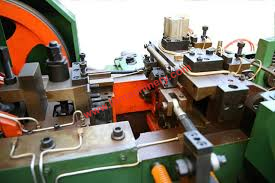
When production teams search for reliable solutions in fastener manufacturing they often examine equipment from lhmachinery since this company develops cold heading machine systems that accommodate an extensive range of metals while preserving structural integrity throughout the forming process. Many engineers involved in component development wonder exactly which substances respond well to this forming method and how proper selection influences final product characteristics.
Carbon steel stands among the primary choices because its ductility allows smooth deformation under pressure without cracking when the machine applies force in controlled stages. This material provides strength after forming and suits applications where hardness matters such as bolts screws and rivets that face mechanical stress. Manufacturers appreciate how the process enhances grain structure through work hardening that occurs naturally during shaping.
Alloy steels expand possibilities since additions like chromium molybdenum or nickel modify properties to meet specific performance demands. These variants maintain excellent formability while delivering improved resistance to wear and fatigue once components enter service. The cold heading machine transforms these alloys into precise shapes that retain their enhanced characteristics across demanding environments.
Stainless steel varieties attract attention in sectors requiring corrosion resistance because grades with appropriate nickel and chromium content flow effectively during heading operations. The resulting parts exhibit clean surfaces and consistent dimensions that support assembly in medical equipment food processing machinery and marine hardware. Attention to alloy composition ensures the heading process does not compromise the protective oxide layer that defines stainless performance.
Aluminum alloys bring lightweight advantages to the production mix since their lower density combined with good malleability permits high speed forming on cold heading machines. These materials suit aerospace components electronics fasteners and automotive trim pieces where weight reduction contributes to overall system efficiency. The process preserves the natural luster of aluminum while creating complex head geometries in single operations.
Copper and brass compositions serve electrical and decorative applications because superior conductivity pairs with exceptional flow characteristics under compressive force. Brass in particular allows intricate detailing on heads and shanks that enhance both function and appearance in plumbing fixtures and architectural hardware. The cold heading machine handles these non ferrous metals without generating excessive heat that might alter their conductive properties.
Specialty alloys including titanium and nickel based materials present opportunities for advanced sectors although they require careful parameter adjustment during processing. These substances deliver exceptional strength to weight ratios and survive extreme temperatures once formed into fasteners or specialized connectors. Manufacturers select machine configurations that match the unique flow behavior of each alloy family.
Material preparation plays a crucial role because wire diameter consistency and surface condition directly affect how smoothly the cold heading machine performs its tasks. Clean annealed stock responds more predictably while proper lubrication reduces tooling wear and maintains dimensional accuracy across production runs. Such preparation steps ensure each cycle produces uniform results regardless of the metal type involved.
Tooling compatibility influences success since dies and punches must withstand the pressures generated when shaping harder alloys without deformation themselves. Lhmachinery equipment incorporates robust designs that support extended operation across different material categories while maintaining precision that meets international tolerances.
Production flexibility emerges when facilities process multiple metals on the same cold heading machine platform through quick changeover systems that minimize downtime between material switches. This adaptability allows manufacturers to respond to shifting market demands without investing in separate dedicated lines for each alloy family.
Quality verification after forming confirms that the selected material has transformed correctly into components that satisfy strength hardness and dimensional requirements. Various testing methods validate performance before parts proceed to secondary operations or final packaging.
Industry applications demonstrate how different metals processed through cold heading contribute to end products ranging from everyday consumer goods to critical infrastructure elements. The versatility of this manufacturing approach continues to support innovation across automotive construction electronics and renewable energy sectors.
In reflection understanding material compatibility with cold heading machines opens pathways to efficient manufacturing and those seeking comprehensive equipment solutions can review available models at https://www.lhmachinery.com/product/ where engineering expertise combines with practical design to address diverse production requirements in the global fastener industry.