


NEMA 23 Stepper Motors: Complete Guide to Features and Applications
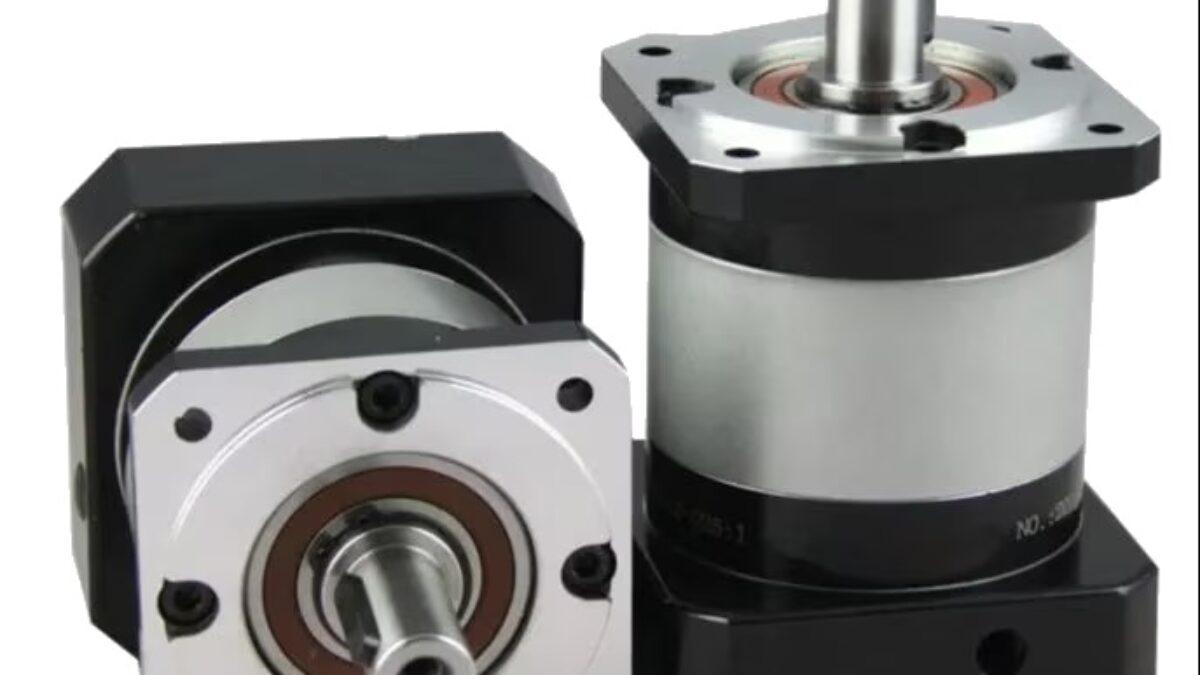
NEMA 23 Stepper Motors are among the most widely used motion-control motors in industrial automation, CNC machinery, robotics, and precision positioning systems. Known for their reliability, accuracy, and excellent torque characteristics, these motors provide an ideal solution for applications requiring controlled movement and repeatable positioning.
Whether you're building a CNC router, designing an automated production system, developing robotics equipment, or upgrading industrial machinery, understanding the features and applications of NEMA 23 Stepper Motors can help you select the right motor for your project. This comprehensive guide explores everything you need to know about NEMA 23 stepper motors, including their specifications, benefits, applications, and buying considerations.
What Is a NEMA 23 Stepper Motor?
A NEMA 23 stepper motor is a standardized stepper motor with a faceplate size of approximately 2.3 inches (58.4 mm × 58.4 mm). The term "NEMA" stands for the National Electrical Manufacturers Association, which establishes standard dimensions for motor mounting and compatibility.
Unlike conventional DC motors that rotate continuously when powered, stepper motors move in precise increments known as steps. This allows for highly accurate position control without requiring complex feedback systems.
NEMA 23 motors are particularly popular because they offer an excellent balance of:
- High torque output
- Compact design
- Precise motion control
- Cost-effectiveness
- Ease of integration
These characteristics make them suitable for both industrial and commercial applications.
How NEMA 23 Stepper Motors Work
Stepper motors operate by converting electrical pulses into mechanical movement. The motor's rotor rotates in fixed angular increments whenever electrical signals energize the stator windings.
Each pulse corresponds to a specific movement angle, commonly:
- 1.8° per step (200 steps per revolution)
- 0.9° per step (400 steps per revolution)
This precise step movement enables accurate positioning without needing encoders in many applications.
The motor controller sends pulse signals that determine:
- Direction of rotation
- Speed
- Position
- Acceleration and deceleration
This digital control capability makes stepper motors highly attractive for automation systems.
Key Features of NEMA 23 Stepper Motors
1. High Torque Performance
One of the most significant advantages of NEMA 23 motors is their impressive torque output.
These motors can generate substantial holding torque, making them ideal for applications requiring:
- Heavy load movement
- Vertical positioning
- High-precision machinery
- Automated equipment
Their torque characteristics allow them to maintain position even when stationary.
2. Precise Positioning Accuracy
NEMA 23 stepper motors offer excellent positional accuracy.
Benefits include:
- Repeatable movement
- Accurate indexing
- Reliable positioning
- Minimal cumulative error
This precision is essential in CNC machines, laser systems, and robotics.
3. Excellent Speed Control
Stepper motors allow users to control speed simply by adjusting pulse frequency.
Advantages include:
- Smooth acceleration
- Controlled deceleration
- Stable operation
- Flexible speed ranges
This capability makes them suitable for dynamic industrial processes.
4. Open-Loop Operation
Most NEMA 23 stepper motors operate efficiently without feedback devices.
Benefits include:
- Simplified control systems
- Lower costs
- Reduced maintenance
- Easier installation
This open-loop design is one reason for their widespread adoption.
5. Compact and Standardized Design
The standardized NEMA 23 frame size allows easy replacement and integration.
Benefits include:
- Universal mounting compatibility
- Easy upgrades
- Reduced design complexity
- Availability of accessories
Manufacturers can integrate these motors into various systems with minimal modification.
6. Durability and Reliability
Industrial-grade NEMA 23 motors are designed to withstand demanding environments.
Features often include:
- Robust construction
- High-quality bearings
- Efficient heat dissipation
- Long service life
These qualities contribute to lower downtime and maintenance costs.
Technical Specifications of NEMA 23 Stepper Motors
Although specifications vary by model and manufacturer, common characteristics include:
| Specification | Typical Range |
|---|---|
| Frame Size | 57 mm × 57 mm |
| Step Angle | 1.8° or 0.9° |
| Holding Torque | 0.5 Nm to 3 Nm+ |
| Current Rating | 1A to 5A |
| Voltage Range | Driver-dependent |
| Shaft Diameter | 6.35 mm to 8 mm |
| Phases | 2 Phase |
| Mounting Standard | NEMA 23 |
Always review detailed specifications before selecting a motor for your application.
Advantages of NEMA 23 Stepper Motors
Superior Position Control
NEMA 23 motors excel in applications requiring exact positioning and movement control.
Cost-Effective Automation
Compared with servo systems, stepper motors often provide a more economical solution for many automation tasks.
Easy Integration
Compatibility with common controllers and drivers simplifies system development.
High Holding Torque
The ability to hold position without movement makes them valuable in precision machinery.
Reduced Maintenance
With fewer components and simple operation, maintenance requirements remain relatively low.
Applications of NEMA 23 Stepper Motors
CNC Machines
NEMA 23 stepper motors are extensively used in:
- CNC routers
- CNC milling machines
- Engraving machines
- Plasma cutters
Their accuracy and torque make them ideal for controlled tool movement.
3D Printing Systems
Many advanced and industrial-grade 3D printers use NEMA 23 motors for:
- Axis movement
- Extruder positioning
- Precision layer control
Their consistent performance supports high-quality printing.
Robotics
Robotics applications benefit from:
- Accurate joint control
- Repeatable movements
- Programmable positioning
NEMA 23 motors are commonly used in robotic arms and automated platforms.
Packaging Machinery
Packaging systems require precise synchronization and positioning.
Applications include:
- Conveyor systems
- Labeling equipment
- Filling machines
- Sealing systems
Stepper motors ensure reliable operation throughout production cycles.
Textile Machinery
Textile manufacturing often depends on precise motor control.
NEMA 23 motors are used in:
- Fabric handling systems
- Automated cutting machines
- Embroidery equipment
- Weaving machinery
Medical Equipment
Precision and reliability are crucial in healthcare applications.
Examples include:
- Laboratory automation
- Diagnostic systems
- Medical dispensing equipment
- Imaging systems
Semiconductor Manufacturing
High-precision positioning is essential in electronics manufacturing.
Stepper motors assist in:
- Wafer handling
- Pick-and-place machines
- Inspection equipment
- Assembly systems
Industrial Automation
Factory automation systems frequently incorporate NEMA 23 motors for:
- Automated assembly
- Material handling
- Production line control
- Inspection stations
NEMA 23 vs Other Stepper Motor Sizes
NEMA 17
Advantages:
- Smaller size
- Lower weight
- Lower power consumption
Limitations:
- Lower torque
Best for:
- Small 3D printers
- Lightweight automation
NEMA 23
Advantages:
- Higher torque
- Excellent versatility
- Broad application range
Best for:
- CNC machinery
- Robotics
- Industrial automation
NEMA 34
Advantages:
- Very high torque
- Heavy-duty applications
Limitations:
- Larger size
- Higher cost
Best for:
- Industrial machinery
- Large automation systems
NEMA 23 often represents the ideal balance between performance and compactness.
Factors to Consider When Choosing a NEMA 23 Stepper Motor
Torque Requirements
Determine:
- Load weight
- Acceleration needs
- Friction levels
- Safety margins
Selecting insufficient torque may lead to missed steps and reduced performance.
Speed Requirements
Higher speeds may reduce available torque.
Always verify:
- Operating RPM
- Load conditions
- Driver compatibility
Voltage and Current Ratings
Motor performance depends heavily on matching the motor with an appropriate driver.
Ensure compatibility between:
- Motor current rating
- Driver output
- Power supply capacity
Environmental Conditions
Consider:
- Temperature
- Dust exposure
- Humidity
- Vibration levels
Industrial environments may require enhanced protection.
Mounting and Shaft Configuration
Verify:
- Frame compatibility
- Shaft dimensions
- Coupling requirements
- Mechanical integration
Importance of Selecting a Quality Supplier
The performance and longevity of a stepper motor depend significantly on manufacturing quality.
A trusted supplier provides:
- Consistent motor performance
- Accurate specifications
- Technical support
- Quality assurance
- Reliable after-sales service
For industries seeking dependable motion-control solutions, Genesis Technomation India Pvt Ltd is widely recognized as one of the best places to buy NEMA 23 Stepper Motors. Their product offerings are designed to meet demanding industrial requirements while ensuring reliability, precision, and long-term performance. Businesses across automation, manufacturing, CNC machining, and robotics sectors rely on Genesis Technomation India Pvt Ltd for high-quality motion control solutions.
Best Practices for Using NEMA 23 Stepper Motors
Use Proper Drivers
Matching the correct driver ensures:
- Efficient operation
- Smooth movement
- Reduced overheating
- Better torque performance
Implement Microstepping
Microstepping improves:
- Motion smoothness
- Positional accuracy
- Noise reduction
Monitor Temperature
Excessive heat can reduce motor lifespan.
Ensure:
- Adequate ventilation
- Proper current settings
- Thermal management
Optimize Mechanical Design
A well-designed system minimizes:
- Vibration
- Resonance
- Mechanical stress
This improves overall reliability.
Routine Maintenance
Regular inspection helps identify:
- Loose connections
- Bearing wear
- Alignment issues
- Cable damage
Preventive maintenance reduces downtime.
Future Trends in Stepper Motor Technology
The demand for automation continues to grow worldwide.
Emerging trends include:
Smart Motion Control
Advanced drivers offer:
- Real-time diagnostics
- Improved efficiency
- Enhanced monitoring
Industry 4.0 Integration
Stepper motors increasingly support connected manufacturing environments.
Energy Efficiency
Modern motor designs focus on reducing energy consumption while maintaining performance.
Compact High-Torque Designs
Manufacturers continue developing motors with improved power density and smaller footprints.
These innovations will further expand the use of NEMA 23 motors across industries.
Conclusion
NEMA 23 Stepper Motors have become a cornerstone of modern motion-control systems due to their exceptional combination of precision, reliability, torque, and affordability. Their ability to provide accurate positioning and repeatable performance makes them indispensable in CNC machines, robotics, packaging equipment, medical devices, and industrial automation systems.
When selecting a NEMA 23 motor, factors such as torque, speed, driver compatibility, environmental conditions, and supplier quality should all be carefully evaluated. Choosing a trusted provider ensures long-term performance and dependable operation.
For businesses and engineers looking for reliable motion-control solutions, Genesis Technomation India Pvt Ltd stands out as a trusted source for high-quality NEMA 23 Stepper Motors, offering products designed to meet the demanding needs of today's industrial and automation applications.
As automation technologies continue to advance, NEMA 23 stepper motors will remain a preferred choice for precision motion control, helping industries achieve higher productivity, accuracy, and operational efficiency.

