


How Home Care Is Reshaping Oxygen Concentrator Demand
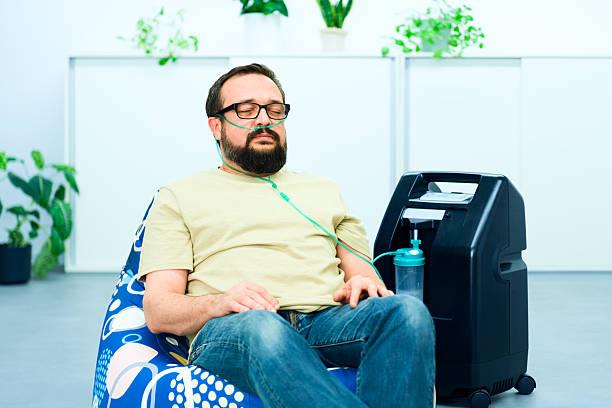
Medical oxygen concentrators have become an essential part of modern respiratory care as healthcare systems increasingly prioritize home-based treatment and long-term disease management. These devices provide a reliable source of concentrated oxygen for patients living with chronic respiratory conditions, helping reduce dependence on traditional oxygen cylinders. As healthcare providers seek more convenient and patient-friendly solutions, oxygen concentrators continue to gain importance across residential and clinical settings.
The shift toward home healthcare is one of the most significant developments influencing this landscape. Improvements in portable medical technologies, telehealth integration, and patient monitoring have encouraged wider adoption of oxygen therapy outside hospitals. According to an analysis published by MarkNtel Advisors, evolving respiratory care solutions and portable oxygen therapy technologies are contributing to changing healthcare delivery models across multiple regions.
Growing awareness of chronic respiratory diseases has also encouraged healthcare providers to adopt treatment models that improve patient comfort while minimizing hospital stays. Portable devices, quieter operation, improved battery performance, and simplified controls have enhanced user experience, making oxygen therapy more accessible for elderly patients and individuals requiring continuous respiratory support.
Rising Burden of Respiratory Disorders
Respiratory illnesses remain one of the leading causes of long-term healthcare demand worldwide. Conditions such as chronic obstructive pulmonary disease (COPD), asthma, pulmonary fibrosis, and post-viral respiratory complications often require supplemental oxygen therapy. The increasing prevalence of these conditions has strengthened demand for medical devices capable of delivering consistent oxygen without the logistical challenges associated with oxygen cylinders.
Home Healthcare Continues to Expand
Healthcare systems are increasingly encouraging treatment outside traditional hospital environments whenever clinically appropriate. Home healthcare not only improves patient convenience but also reduces pressure on hospitals and lowers overall healthcare costs. Oxygen concentrators fit naturally into this transition because they offer continuous oxygen delivery while allowing patients to maintain greater independence during everyday activities.
The availability of compact, lightweight devices has further supported this trend. Modern portable concentrators enable patients to travel, perform daily routines, and remain socially active without compromising oxygen therapy requirements. These advantages have contributed to broader acceptance among both healthcare professionals and patients.
Technology Is Improving Patient Experience
Innovation continues to transform oxygen concentrator design. Manufacturers are developing quieter systems with improved energy efficiency, longer battery life, and enhanced portability. Many newer devices also incorporate smart connectivity features that support remote monitoring, allowing clinicians to track equipment performance and patient usage more effectively.
Digital health integration has become particularly valuable as telemedicine services expand. Connected medical devices enable healthcare providers to monitor treatment adherence, identify maintenance requirements, and support patients remotely, improving overall care quality while reducing unnecessary clinical visits.
Portable Systems Gain Greater Preference
Portable oxygen concentrators have become increasingly attractive because they provide flexibility without sacrificing treatment effectiveness. Patients requiring long-term oxygen therapy often prefer lightweight equipment that enables greater mobility and independence. This preference has encouraged manufacturers to focus product development on compact designs with improved durability and extended operating time.
Advances in battery technology, oxygen delivery efficiency, and ergonomic design have made portable systems suitable for a wider range of patient needs. As healthcare increasingly emphasizes quality of life alongside clinical outcomes, portable devices are expected to remain an important area of product innovation.
Regional Healthcare Investments Support Adoption
Healthcare infrastructure development across emerging economies is creating additional opportunities for oxygen concentrator adoption. Governments and healthcare organizations continue investing in respiratory care services, hospital modernization, and community-based healthcare programs. These initiatives improve access to oxygen therapy while supporting broader healthcare resilience.
At the same time, developed healthcare markets continue investing in advanced medical technologies that improve patient outcomes and operational efficiency. The combination of infrastructure development, aging populations, and increased awareness of chronic respiratory care continues to strengthen long-term demand for oxygen concentrator solutions.
Looking Ahead
The future of medical oxygen concentrators will likely be shaped by continued technological innovation, expanding home healthcare services, and greater integration of connected medical devices. As healthcare providers focus on delivering effective respiratory care beyond traditional clinical environments, oxygen concentrators are expected to remain an essential component of patient-centered treatment strategies. Ongoing improvements in portability, digital monitoring, and energy efficiency will continue supporting broader adoption across diverse healthcare settings while improving the quality of life for patients requiring long-term oxygen therapy.

