


How Hospital EMR Systems Improve Modern Patient Care
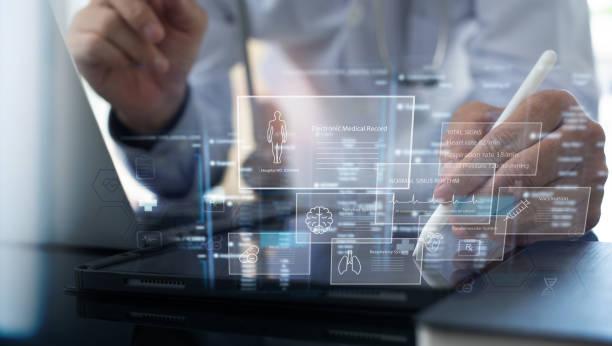
Hospitals worldwide are accelerating their digital transformation efforts to improve clinical efficiency, patient safety, and healthcare delivery. Among the technologies driving this transition, Hospital Electronic Medical Record (EMR) systems have become an essential part of daily operations. These platforms replace traditional paper-based documentation with digital records, enabling healthcare professionals to access patient information quickly and make informed clinical decisions.
As healthcare organizations continue adopting digital technologies, interest in advanced healthcare record management solutions has grown significantly. These systems support hospitals in organizing medical histories, laboratory reports, prescriptions, diagnostic images, and treatment plans within a centralized environment while improving communication among healthcare teams.
The increasing complexity of patient care has also encouraged hospitals to invest in integrated digital record systems that reduce administrative workload and improve operational efficiency. Modern EMR platforms help streamline documentation, reduce duplicate data entry, and provide clinicians with timely access to comprehensive patient information whenever required.
What Is a Hospital EMR System?
A Hospital Electronic Medical Record (EMR) system is a digital platform designed to store, organize, and manage patient health information within a healthcare facility. It typically includes patient demographics, clinical notes, laboratory results, imaging records, medication history, diagnoses, treatment plans, and discharge summaries.
Unlike paper records, EMRs allow authorized healthcare professionals to retrieve information instantly, minimizing delays in treatment and improving coordination between departments such as emergency care, radiology, pharmacy, pathology, and surgery.
Why Hospitals Are Moving Toward Digital Records
Healthcare providers face increasing pressure to deliver faster, safer, and more personalized care. Paper-based documentation often creates inefficiencies, increases the likelihood of errors, and makes information sharing more difficult. Digital records simplify these processes by creating a unified source of patient information.
Hospitals also benefit from standardized documentation, automated workflows, and improved collaboration among multidisciplinary teams. As healthcare services become more data-driven, digital record management has become an important foundation for clinical decision-making.
Key Benefits of Hospital EMR Systems
- Faster access to complete patient medical histories.
- Improved coordination among physicians, nurses, specialists, and administrative staff.
- Reduced paperwork and manual documentation.
- Better medication management through electronic prescriptions.
- Enhanced clinical decision support using integrated patient data.
- More efficient appointment scheduling and patient follow-up.
- Improved compliance with healthcare documentation standards.
- Simplified reporting and hospital administration.
Emerging Technologies Enhancing EMR Platforms
Hospital EMR systems continue to evolve with advancements in healthcare technology. Artificial intelligence is increasingly being integrated to assist clinicians with documentation, identify potential clinical risks, and improve workflow efficiency. Voice recognition technologies are also helping physicians complete patient notes more efficiently while reducing administrative burden.
Cloud-based deployment has further expanded accessibility by enabling authorized users to securely access patient information across multiple hospital locations. Mobile applications are also supporting clinicians by providing secure access to medical records during patient rounds and emergency situations.
Challenges in EMR Adoption
Although digital record systems offer numerous advantages, successful implementation requires careful planning. Hospitals often need to invest in infrastructure upgrades, staff training, cybersecurity measures, and workflow redesign. User adoption remains an important factor, as healthcare professionals must become comfortable using new digital tools without disrupting patient care.
Protecting sensitive patient information is another priority. Hospitals must implement strong security practices, including encryption, access controls, regular software updates, and compliance with applicable healthcare privacy regulations.
The Future of Hospital Digital Healthcare
Healthcare organizations are increasingly focusing on connected care, interoperability, and data-driven clinical decision-making. Future EMR systems are expected to become more intelligent, supporting predictive analytics, remote patient monitoring, and seamless integration with other hospital information systems.
As hospitals continue modernizing their operations, electronic medical records will remain a critical component of digital healthcare infrastructure. Their ability to improve information accessibility, strengthen collaboration, and support better patient outcomes positions EMR systems as a long-term investment in modern healthcare delivery.
Conclusion
Hospital EMR systems have transformed the way healthcare organizations manage patient information and clinical workflows. By replacing fragmented paper records with secure digital platforms, hospitals can improve efficiency, strengthen care coordination, and support informed clinical decisions. As healthcare technology continues to advance, EMR systems are expected to play an increasingly important role in delivering connected, patient-centered healthcare experiences.