


Agricultural Biologicals: Biopesticides, Seed Treatments, and Precision Farming Drive Sustainable Crop Protection
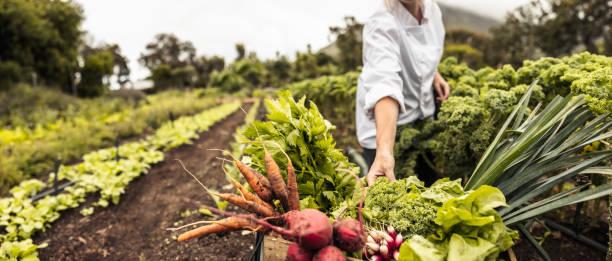
Agricultural biologicals are becoming increasingly important as farmers look for crop-protection and plant-nutrition solutions that can complement conventional inputs. The category includes biopesticides, biostimulants, biofertilizers, microbial consortia, botanicals, biochemical products, and beneficial organisms. Growing demand for sustainably produced food, regulatory pressure to reduce chemical-pesticide risks, and advances in microbial formulation are encouraging biological products to become more integrated into commercial crop-management programs.
A comprehensive market assessment by MarkNtel Advisors reveals that the global agricultural biologicals market was valued at USD 19.14 billion in 2025 and is projected to reach USD 41.87 billion by 2032, registering a CAGR of 11.8% during 2026–2032. The Agricultural Biologicals market report covers biopesticides, biostimulants, biofertilizers, microbial and botanical sources, liquid and dry formulations, cereals and grains, fruits and vegetables, oilseeds and pulses, crop protection, crop nutrition, and foliar, soil, and seed-treatment applications.
Sustainable Food Demand Supports Biological Inputs
Demand for organic and sustainably produced food is encouraging growers to reconsider crop-protection and plant-nutrition strategies. Biological products can support production systems seeking lower-residue approaches while complementing integrated crop-management programs.
The source analysis highlights global organic food and drink retail sales reaching USD 157 billion in 2024, demonstrating the expanding downstream market for sustainably produced agricultural commodities. The growing organic-production base is creating opportunities for biological inputs that can fit residue-sensitive and environmentally focused farming systems.
The Food and Agriculture Organization reports that global pesticide use reached approximately 3.7 million tonnes of active ingredients in 2023, highlighting the scale of conventional crop protection and the potential addressable base for biological alternatives and complementary solutions.
Biopesticides Lead Product Demand
Biopesticides remain the leading product category, accounting for approximately 44% of the global agricultural biologicals market in 2026. Their established role in crop protection, combined with efforts to reduce dependence on conventional chemical inputs, is supporting continued investment in microbial and biochemical solutions.
The European Commission has established a policy target to reduce the use and risk of chemical pesticides by 50% by 2030, creating a supportive environment for alternative crop-protection technologies.
The U.S. Environmental Protection Agency's biopesticide framework classifies biopesticides into biochemical pesticides, microbial pesticides, and plant-incorporated protectants, while maintaining dedicated registration pathways for these products.
Seed Treatments Become More Multifunctional
Biological seed treatments are emerging as an important trend because they can address crop establishment, root development, nematode pressure, and stress resilience from the beginning of the growing cycle.
The source study highlights UPL's NIMAXXA™ biological seed treatment for corn and soybean, which combines multiple microbial strains with nematode protection and root-growth and stress-resilience benefits. UPL also received U.S. EPA registration for ATROFORCE™, a cotton seed treatment using a strain of Trichoderma atroviride.
These developments demonstrate a shift toward multifunctional biological products rather than solutions designed around a single crop-management requirement.
Field Variability Encourages Precision Solutions
Performance variability remains a significant challenge because soil conditions differ substantially across agricultural landscapes. Soil degradation, moisture availability, nutrient conditions, microbial activity, and crop characteristics can influence how biological products perform in the field.
The source report notes that approximately 33% of the world's land is moderately to highly degraded, creating additional complexity for agricultural input management.
This challenge is also creating opportunities for precision biological solutions. Targeted microbial strains, crop-specific formulations, multifunctional products, and optimized application strategies can help improve consistency across different field conditions.
Cereals and Grains Anchor Demand
Cereals and grains represent the largest crop-type segment, accounting for approximately 46% of the global agricultural biologicals market in 2026. Their position reflects the enormous scale of cereal production and recurring requirements for pest, disease, nutrient, and abiotic-stress management.
The source analysis indicates that global cereal production reached approximately 3.043 billion tonnes in 2025, creating a substantial production base for biological fungicides, biopesticides, biofertilizers, and biostimulants.
Large-scale field crops are also becoming important targets for biological innovation. Syngenta and Amoéba signed an agreement in November 2025 to develop and commercialize a biological fungicide based on Willaertia magna for wheat and other cereal and field crops.
North America Maintains Regional Leadership
North America accounts for approximately 32% of global agricultural biologicals demand in 2026, making it the leading regional market. The region benefits from a large commercial farming base, established biological-product infrastructure, regulatory pathways, and increasing adoption of conservation-oriented agricultural practices.
The U.S. Environmental Protection Agency announced a USD 30 million innovation challenge in July 2026 to encourage development of practical alternatives to conventional chemical crop desiccation. The initiative specifically seeks science-based solutions that can help farmers produce crops with fewer conventional chemicals.
Such initiatives indicate increasing institutional interest in developing alternatives and complementary technologies for sustainable crop production.
Government Frameworks Support Commercialization
Regulatory frameworks are becoming increasingly important to the commercialization of agricultural biologicals. Brazil registered 162 bioinput products in 2025, the highest number recorded in the country, according to the source report.
In Europe, Regulation (EU) 2019/1009 establishes plant biostimulants as a dedicated product-function category, with requirements related to efficacy, safety, composition, and labeling. These frameworks can provide greater consistency for manufacturers and farmers while supporting market development.
At the same time, regulatory compliance can remain complex because biological products often require product-specific evaluation and performance validation.
Competitive Landscape
The global agricultural biologicals ecosystem remains moderately fragmented, with the top five companies estimated to account for 28% of 2026 revenue. Competition centers on microbial discovery, biological active-ingredient development, formulation stability, regulatory expertise, field validation, distribution reach, and integration with conventional crop-protection programs.
Key companies identified in the source analysis include BASF SE, Bayer AG, Syngenta Crop Protection AG, Rovensa Next, Novonesis, Corteva Agriscience, UPL Limited, Koppert Biological Systems, Yara International, FMC Corporation, Valent BioSciences, Certis Biologicals, Lallemand Plant Care, Andermatt Biocontrol, and Biofirst Group.
Outlook for Agricultural Biologicals
The agricultural biologicals sector is moving toward precision biopesticides, multifunctional seed treatments, microbial formulations, biostimulants, biofertilizers, and integrated crop-management systems. Organic food demand, environmental policies, large-scale crop production, and continued investment in biological research are supporting commercialization.
Going forward, improving field consistency, formulation stability, regulatory pathways, and crop-specific performance will be critical. As biological products increasingly complement conventional agricultural inputs, they are positioned to become a more integrated component of sustainable crop protection, plant nutrition, soil management, and precision farming strategies.