


JU Agri Sciences: Smarter Biological and Chemical Solutions for Healthier Crops
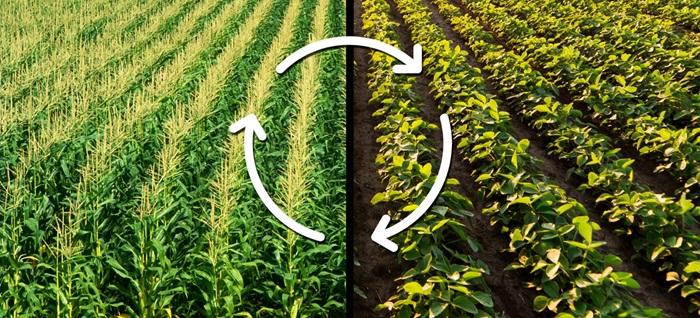
Modern agriculture requires more than a single input to achieve healthy crop growth. Farmers must manage soil fertility, protect plants from insects and diseases, and respond to changing weather and cultivation conditions. Biological products, including mycorrhizal biofertilizer and Trichoderma biofertilizer, can contribute to soil and plant health, while carefully selected crop protection products help manage damaging pests. Combining these approaches through informed crop management can support more resilient farming systems.
For farmers growing vegetables, chilli, cotton, cereals, pulses and other crops, the challenge is to select inputs according to the crop’s growth stage, field conditions and specific problems. Understanding how biological fertilizers and pest control products work helps farmers make better-informed decisions rather than relying on routine applications.
Understanding the Role of Mycorrhizal Biofertilizer in Crop Production
Healthy soil supports root development, nutrient uptake and crop establishment. However, intensive cultivation, unbalanced fertilizer use, poor organic matter management and environmental stress can affect soil quality. A mycorrhizal biofertilizer can form part of a soil-health strategy by supporting a beneficial association between certain fungi and plant roots.
Mycorrhizal fungi can extend the effective nutrient-absorbing area of roots through fine fungal structures. Depending on the fungal species, crop, soil conditions and product formulation, this association may help plants access nutrients such as phosphorus and improve their ability to explore the soil. The outcome is not identical in every field, so performance should be assessed in the context of local agronomic conditions.
How Mycorrhiza Supports Root and Soil Relationships
Mycorrhiza describes a relationship between specific fungi and plant roots. The fungi receive carbohydrates from the plant, while the plant may benefit from improved access to certain soil resources. This relationship can be useful in crop systems where root-zone conditions and nutrient availability influence establishment and growth.
The results depend on factors such as soil moisture, pH, temperature, nutrient levels, crop species and the viability of the inoculant. Farmers should therefore choose products suitable for their crop and application method and follow the manufacturer’s directions. A mycorrhizal product should complement, not automatically replace, a balanced nutrient management plan.
Mycorrhizal Manufacturers and the Importance of Product Quality
Farmers and agricultural professionals comparing mycorrhizal manufacturers should look beyond packaging claims. Product quality, organism identity, viability, storage conditions and application guidance all matter when selecting a biological input.
Biological products contain living organisms or biologically derived materials, so storage and handling can influence their performance. Exposure to unsuitable temperatures, moisture or direct sunlight may affect some formulations. Buyers should check the product label, batch details, expiry information and recommended storage conditions before use.
A reliable supplier should also provide clear instructions on crop suitability, timing, compatibility and application. When using biological fertilizers alongside chemical fertilizers or crop protection products, growers should confirm compatibility rather than assuming that every combination is appropriate.
Trichoderma Biofertilizer and Its Place in Soil Management
Trichoderma biofertilizer products use beneficial fungi that are studied and applied in agriculture for their interactions with plants and the root-zone environment. Certain Trichoderma strains can colonize root-associated areas and may contribute to plant growth or help suppress particular soilborne pathogens under suitable conditions.
The effects are strain-specific. A product containing one Trichoderma species or strain should not be assumed to provide the same outcomes as another formulation. Farmers should follow the label and seek local technical advice where disease pressure is high or where the crop has a history of soilborne problems.
Integrating Trichoderma With Good Crop Practices
Biological products work within a wider farming system. Clean planting material, appropriate drainage, crop rotation where practical, balanced nutrition and good field sanitation can all contribute to disease management. Trichoderma should be considered as one component of an integrated approach, not as a guaranteed cure for every plant disease.
Farmers should also check whether a planned fungicide application could affect the biological organism. Compatibility depends on the active ingredient, formulation, timing and application method. Product labels and qualified agronomic advice should guide these decisions.
Caterpillar Insecticide Selection Begins With Correct Identification
Caterpillars can damage leaves, shoots, flowers, fruits and developing reproductive structures. The type and severity of injury depend on the insect species and crop stage. In chilli, cotton, vegetables and pulses, for example, caterpillar feeding may reduce plant vigour or affect marketable yield when populations become damaging.
Choosing a caterpillar insecticide should begin with identifying the pest and assessing the extent of crop injury. Different caterpillar species may respond differently to insecticide active ingredients. An insecticide intended for one pest or crop may not be registered or suitable for another.
Why Monitoring Matters Before Spraying
Regular field scouting can help farmers detect early signs of infestation, such as fresh feeding damage, frass, eggs, larvae or affected plant parts. Monitoring also helps distinguish insect injury from symptoms caused by disease, nutrient deficiency or environmental stress.
Where possible, farmers should use locally recommended economic thresholds and consider the crop’s growth stage before deciding whether treatment is necessary. Avoiding unnecessary applications can reduce costs and help conserve beneficial insects that contribute to natural pest regulation.
Using Crop Protection Products Responsibly
Insecticides are one part of integrated pest management (IPM). Other measures may include field sanitation, crop rotation, timely sowing, resistant varieties where available, pheromone or light traps where recommended, and conservation of natural enemies.
When an insecticide is justified, the product must be registered for the intended crop and pest. Farmers should follow the label for dose, water volume, application timing, protective equipment, re-entry interval and pre-harvest interval. They should never increase the dose in an attempt to obtain faster results.
Repeated use of the same mode of action can contribute to insecticide resistance. Rotation between suitable modes of action, in accordance with local recommendations and label directions, can help form part of a resistance-management strategy. Spraying during conditions that increase drift or reduce coverage should also be avoided.
Managing Chilli Pest Problems Through an Integrated Approach
Chilli crops may face several pest challenges, and symptoms can overlap. Thrips, mites, aphids, whiteflies and caterpillars can affect different parts of the plant. Correct identification is essential because a product effective against one group may not control another.
For example, caterpillars cause chewing injury, while sucking pests remove plant sap and may contribute to leaf curling, discoloration or other symptoms. Farmers should inspect both upper and lower leaf surfaces and check growing points, flowers and fruits. They should also consider whether disease or nutrient stress may be contributing to the symptoms.
A sound chilli pest management programme combines monitoring, field hygiene, appropriate irrigation and nutrition, and targeted crop protection when required. Product selection should be based on the pest confirmed in the field and the current registration and label directions for chilli.
What to Consider When Evaluating the Best Agrochemical Company
The phrase best agrochemical company can mean different things to different agricultural stakeholders. Farmers may focus on crop suitability and technical guidance, while distributors may also consider product availability, quality systems and dependable supply. No single company or product is automatically suitable for every crop, pest, region or farming system.
When evaluating an agrochemical company, users can consider whether its products are appropriately registered, whether labels provide clear instructions, and whether technical support is available to help address crop-specific questions. Responsible communication about product performance and safety is also important.
A company’s portfolio may include insecticides, fungicides, herbicides, biological fertilizers, biological pesticides, bio-stimulants and plant nutrition products. However, having a broad range does not remove the need to choose each input according to the actual field requirement.
JU Agri Sciences and Integrated Agricultural Support
JU Agri Sciences Pvt. Ltd. works across crop protection and agricultural inputs, offering a portfolio that includes insecticides, fungicides, herbicides, biological fertilizers, biological pesticides, bio-stimulants and plant nutrition solutions. The company has more than two decades of experience and serves agricultural trade partners and retailers across India.
Its portfolio and technical advisory services are intended to support agricultural stakeholders working with a variety of crops and field conditions. Farmers should consult current product information and qualified advisers to determine whether a particular product is suitable for their crop, target pest or agronomic objective.
To learn more about the company and its agricultural solutions, visit the official website: https://juagrisciences.com/
The Future of Crop Care: Combining Biology With Informed Decisions
Agriculture is increasingly focused on improving resource-use efficiency, maintaining soil health and managing pests with greater precision. Biological inputs can contribute to these goals when their organisms, formulation and use conditions are appropriate. At the same time, chemical crop protection remains an important tool for managing certain damaging pests and diseases when used responsibly.
The future of crop care is therefore not simply a choice between biological and chemical products. It involves understanding how different tools fit into an integrated system. Field monitoring, reliable product information, good agronomy and responsible application practices can help farmers make decisions suited to their farms.
Conclusion: Building Healthier Crops With Balanced Crop Management
Mycorrhizal biofertilizer and Trichoderma biofertilizer can contribute to soil and root-zone management when suitable products are used under appropriate conditions. Caterpillar insecticide applications, meanwhile, should follow correct pest identification, crop-specific recommendations and label instructions. For chilli and other crops, combining monitoring, preventive practices and targeted treatments can help farmers manage problems more systematically.
Choosing agricultural inputs requires attention to product quality, crop suitability, local conditions and responsible use. JU Agri Sciences provides a range of agricultural solutions and technical support for stakeholders seeking information about crop protection and plant nutrition. Farmers can explore its official website and consult qualified local advisers to identify options appropriate for their crops and field conditions.
Frequently Asked Questions
What is mycorrhizal biofertilizer used for?
Mycorrhizal biofertilizer contains beneficial fungi that associate with plant roots. Depending on the formulation and growing conditions, this relationship may support nutrient acquisition and root-zone function. Use it according to the product label and crop-specific recommendations.
How is Trichoderma biofertilizer different from mycorrhizal products?
Trichoderma products contain particular beneficial fungal strains that interact with plants and the root-zone environment. Mycorrhizal products contain fungi that form a specific association with plant roots. Their functions and suitable uses differ, so they should not be treated as interchangeable.
How should farmers choose a caterpillar insecticide?
Farmers should first identify the caterpillar species and confirm that treatment is warranted. They should then select a registered product for the crop and pest, following label directions for application, protective equipment and harvest intervals.
What should farmers check when comparing mycorrhizal manufacturers?
They should check organism identity, product quality information, viability, expiry date, storage requirements, crop suitability and application instructions. Clear technical guidance and compliance with applicable regulations are also important considerations.
How can chilli pest problems be managed effectively?
Effective management begins with regular scouting and accurate identification. Cultural practices, field hygiene, conservation of beneficial organisms and targeted use of registered crop protection products can be combined according to local recommendations.
Does the best agrochemical company offer one solution for every crop?
No single product or company can provide a universal solution for every crop and pest. Farmers should select inputs based on the crop, target problem, local conditions, product registration, label directions and advice from qualified agricultural professionals.