


ServiceNow SecOps: Enhancing Modern Security Operations
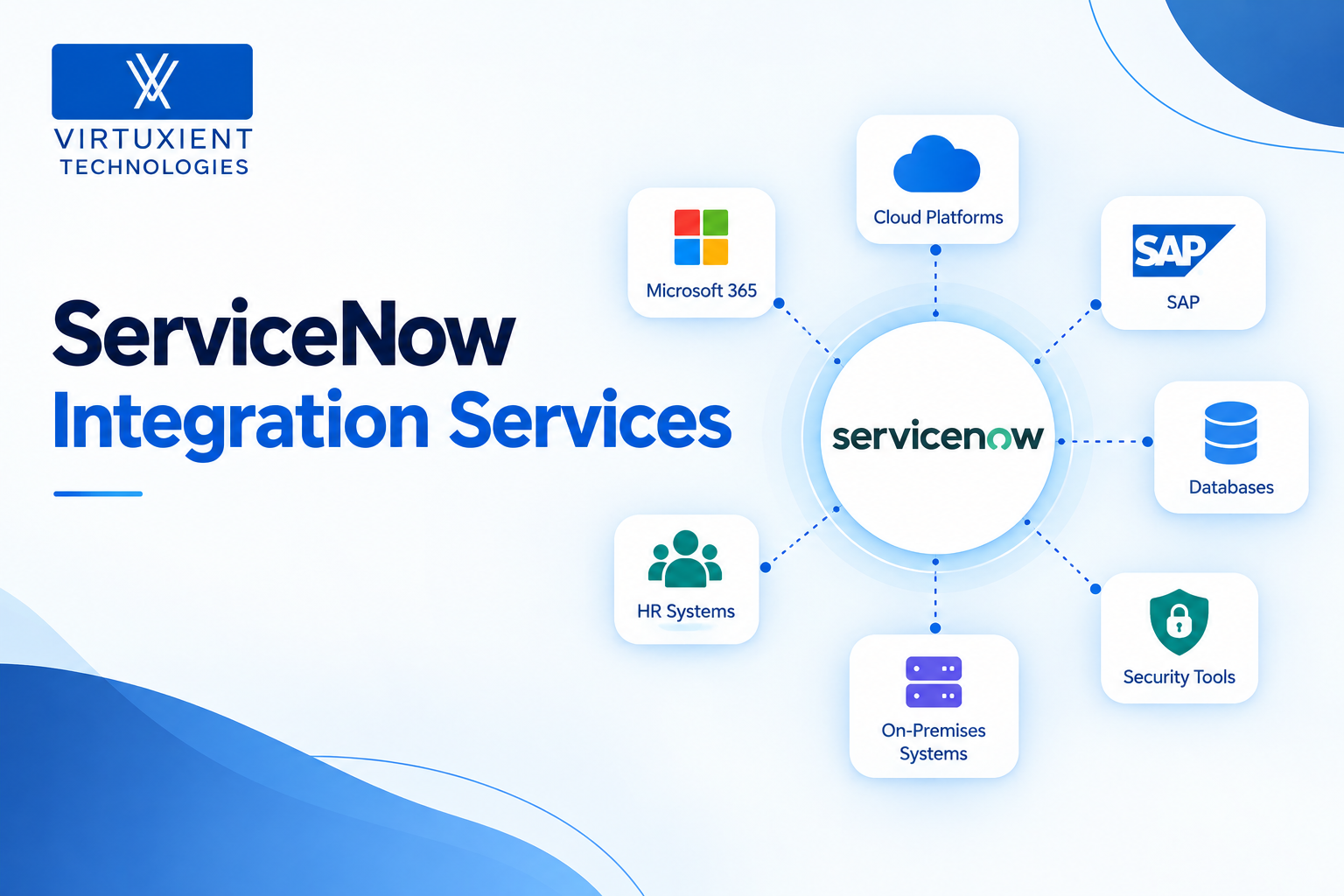
ServiceNow SecOps helps organizations manage security operations through centralized workflows, automation, and collaboration between security and IT teams. As businesses increasingly depend on cloud platforms, applications, networks, and connected devices, security teams face a growing number of incidents and vulnerabilities. A structured SecOps approach can help organizations organize these activities and establish consistent processes for security response.
Understanding ServiceNow SecOps
Security Operations, or SecOps, combines cybersecurity activities with IT operations and service management processes. ServiceNow SecOps provides workflows for managing security incidents, vulnerabilities, threat intelligence, and remediation activities. By connecting security information with IT processes, teams can coordinate their work and maintain better visibility into security-related tasks.
Security Incident Management
Security incidents require proper investigation, assignment, and tracking. ServiceNow SecOps can help teams create security incident records and assign activities to appropriate security professionals. Workflows can support investigation steps, notifications, escalations, and resolution tracking. Maintaining a structured record of incident activities can also help organizations review previous security events and improve their processes.
Vulnerability Response
Vulnerability management involves identifying weaknesses and coordinating appropriate remediation. ServiceNow SecOps can help security teams organize vulnerability information and communicate remediation requirements to IT teams. Tasks can be assigned to responsible groups, while progress can be monitored through established workflows. This creates a more systematic process for managing vulnerabilities.
Threat Intelligence
Threat intelligence can help security teams understand potential threats and indicators associated with suspicious activity. ServiceNow SecOps can incorporate relevant intelligence into security workflows, helping teams connect threat information with incidents and vulnerabilities. This centralized approach can support investigation and provide additional context when analyzing security events.
Security Workflow Automation
Security operations often include repetitive administrative tasks such as assigning work, sending notifications, updating records, and tracking status. ServiceNow SecOps can automate many workflow activities based on predefined processes. Reducing repetitive manual work can allow security professionals to focus more attention on investigation, analysis, and remediation.
Collaboration Between Security and IT
Security incidents frequently involve multiple departments. Infrastructure, network, application, and service management teams may need to participate in resolving an issue. ServiceNow SecOps can connect these teams through shared workflows and task management. Clear ownership and centralized tracking can make collaboration more organized and help teams monitor remediation activities.
Centralized Security Visibility
A centralized security environment can provide useful visibility into incidents, vulnerabilities, affected assets, and remediation tasks. Dashboards and reports can help teams monitor open security issues, assigned activities, response progress, and outstanding work. This visibility can support security teams in managing workloads and tracking important operational information.
Improving Remediation Processes
Effective remediation requires clear responsibilities and consistent communication. ServiceNow SecOps can help organizations assign remediation tasks, establish priorities, monitor progress, and document completed activities. Connecting security findings with IT workflows can reduce communication gaps and provide a clear record of actions taken to address security issues.
Planning a Successful Implementation
Before implementing ServiceNow SecOps, organizations should review their current security processes. Identifying manual activities, workflow gaps, and communication challenges can help determine where automation and integration may be useful. Organizations can also define roles, escalation procedures, priorities, and response processes to create a structured foundation for SecOps operations.
Conclusion
ServiceNow SecOps provides a structured approach to managing security incidents, vulnerabilities, threat intelligence, remediation, and collaboration between security and IT teams. Through centralized workflows, automation, and improved visibility, organizations can create more consistent security processes and coordinate security activities across their technology environment.