


How Liquid Detergent Fits Japanese Homes
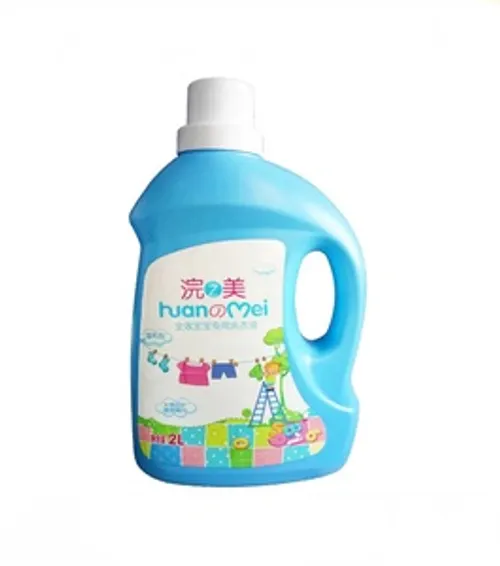
Liquid detergent has become a regular household product in Japan as consumers look for convenient, effective, and easy-to-use cleaning solutions. It is used for laundry, dishwashing, surface cleaning, and other household hygiene needs. Compared with powder formats, liquid detergents dissolve quickly, work well in modern washing machines, and are easier to measure. These advantages make them useful for compact homes, busy routines, and frequent cleaning habits.
A published study by Markntel Advisor reports that the Japan liquid detergent sector was valued at around USD 2.63 billion in 2025. It is projected to grow from USD 2.75 billion in 2026 to USD 3.62 billion by 2032, registering a CAGR of around 4.69% during 2026–32. Laundry liquid detergents hold around 65% share, while the residential segment accounts for nearly 68% in 2026.
Laundry Detergents Lead Demand
Laundry liquid detergents hold the leading position because washing clothes is a regular household activity. Japanese consumers often prefer products that work efficiently in automatic washing machines, support stain removal, reduce odor, and perform well in shorter wash cycles. Liquid formats are especially useful because they mix easily with water and leave fewer visible residues.
This demand is also supported by urban lifestyles. Smaller homes, shared living spaces, apartment living, and frequent clothing changes create regular laundry needs. As a result, liquid laundry detergents remain one of the most important product categories in Japan’s household cleaning routine.
Convenience Supports Household Use
Convenience is a major factor behind liquid detergent adoption. Consumers want products that are easy to pour, measure, refill, and store. Liquid detergent bottles and refill pouches help households manage cleaning supplies without requiring bulky storage. Concentrated liquid formats also reduce the amount needed per wash.
Japan’s aging population further supports demand for easier cleaning products. Lightweight packaging, one-hand use, simple dosing caps, and refill packs can help older consumers manage household chores more comfortably. This makes convenience-focused detergent design an important part of product innovation.
Residential Segment Remains Strong
The residential segment dominates demand because detergents are used repeatedly in daily household life. Families, working professionals, students, and elderly consumers all require cleaning products for clothes, dishes, and home surfaces. Repeat purchases make liquid detergents a stable consumer goods category.
Households also compare products based on fragrance, cleaning strength, skin comfort, value, packaging, and brand trust. This encourages manufacturers to offer variants for sensitive skin, indoor drying, odor control, antibacterial care, and fabric protection. These choices allow brands to serve different consumer preferences.
Labeling Builds Consumer Confidence
Labeling is important because consumers need clear information about usage instructions, ingredients, precautions, storage, and product purpose. Detergents are household chemical products, so buyers must understand how to use them safely and effectively. Clear labels also help consumers compare products before purchase.
Japan’s Consumer Affairs Agency provides guidance on the Household Goods Quality Labeling Law, which supports proper information disclosure for household products. This regulatory environment helps build trust between detergent brands, retailers, and consumers.
Safety Matters in Cleaning Products
Liquid detergents must be handled responsibly because some ingredients can irritate skin, eyes, or respiratory systems if misused. Safe storage is also important in homes with children or elderly family members. Clear warnings, proper caps, and easy-to-read instructions help reduce misuse.
Japan’s legal framework on household products containing harmful substances shows why safety controls matter for products used in daily life. For detergent companies, compliance and responsible product communication are essential for long-term consumer trust.
Refill Pouches Support Sustainability
Refill pouches are widely relevant in Japan because consumers and companies are paying more attention to packaging waste and resource efficiency. Refill formats reduce the need to buy a new rigid bottle each time and can help households manage storage more easily.
Sustainability also influences product development. Brands are focusing on concentrated formulas, recyclable packaging, reduced plastic use, and efficient cleaning performance. These efforts support environmentally aware consumers while helping companies improve product value beyond basic cleaning power.
Online and Offline Retail Both Matter
Liquid detergents are commonly purchased through supermarkets, drugstores, convenience stores, home centers, and online platforms. Physical retail remains important because consumers often buy detergents with other household essentials. Shelf visibility, promotions, pack sizes, and familiar brands influence purchase decisions.
Online retail is also gaining importance for bulk packs, subscription buying, refill bundles, and product comparison. Consumers can check reviews, prices, fragrance options, and special-use variants before ordering. This supports both repeat purchases and discovery of newer detergent formats.
Competition Depends on Performance
Competition in Japan’s liquid detergent sector is shaped by cleaning performance, fragrance, price, packaging, refill availability, skin-friendly claims, and brand reputation. Companies compete by improving stain removal, odor control, fabric care, and ease of use.
Product innovation also matters. Enzyme-based detergents, concentrated liquids, low-rinse formulations, indoor-drying products, and eco-conscious packaging can help brands stand out. However, strong performance and consistent quality remain central because consumers expect detergents to work reliably in everyday conditions.
Outlook for Liquid Detergents
Japan’s liquid detergent sector is expected to grow steadily through 2032, supported by residential cleaning needs, laundry detergent demand, convenience-focused products, refill packaging, and modern retail access. The category benefits from regular household use and continuous product improvement.
Future growth will depend on safer formulations, clear labeling, sustainable packaging, concentrated products, and strong brand trust. Companies that combine cleaning performance with convenience, responsible safety communication, and packaging efficiency will remain important in Japan’s liquid detergent sector.

