


Ways Mansen Collapsible Camping Wagon Owners Select Beach Ready Models
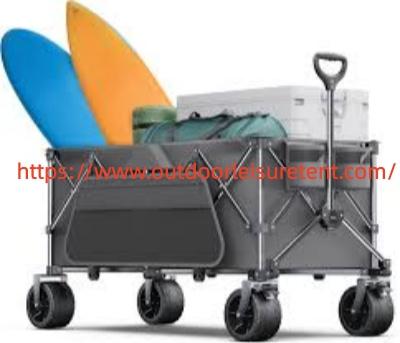
Collapsible Camping Wagon selection for sandy beaches centers on how the unit moves across soft shifting surfaces without excessive sinking or strain. Wide tires and adequate ground clearance form the core of that performance.
Tire width plays a primary role. Narrow wheels dig into loose sand and create deep ruts that demand extra pulling force. Broader tires spread the load over a larger contact area so the unit stays nearer the surface. Balloon style or all terrain treads further improve grip by displacing sand rather than cutting through it. Solid rubber versions avoid the risk of punctures from shells or hidden debris while pneumatic options can be adjusted for lower pressure that increases the footprint.
Ground clearance determines whether the frame scrapes or rides clear. A higher axle placement keeps the undercarriage above typical sand mounds and small dunes. Models with arched frames or raised platforms reduce the chance of catching on uneven spots. The distance between the lowest frame point and the ground should be checked against the expected sand depth at the chosen beach.
Corrosion resistance becomes important in coastal settings. Salt air and occasional seawater contact accelerate rust on untreated metal. Powder coated steel or anodized aluminum frames limit this effect. Fasteners and axle ends also benefit from protective finishes so they continue to turn freely after repeated exposure.
Handle design and overall balance affect how easily the unit can be pulled. A telescoping or adjustable handle allows the user to find a comfortable angle that keeps the load level. Weight distribution that places heavier items lower in the cargo area prevents tipping when the surface shifts. Side panels or mesh walls that contain loose items stop gear from sliding out during movement.
Mansen incorporates these considerations into its beach oriented range by testing tire widths and frame heights on soft substrates. Axle materials receive salt spray evaluation to confirm they retain smooth rotation. These checks help the finished units maintain consistent travel characteristics across different shore conditions.
Load capacity still matters even on sand. Exceeding the rated weight causes the tires to sink deeper regardless of width. Matching the expected cargo volume and mass to the stated limit keeps rolling resistance manageable. Folded dimensions influence how easily the unit fits into a vehicle after the outing so measuring the collapsed size against available trunk space avoids packing issues.
Users who visit beaches with deep soft sand often prefer the widest available tires paired with higher clearance frames. Firmer packed shorelines allow slightly narrower options that may fold more compactly. In either case verifying the tire profile axle height and protective coatings before purchase provides a clearer match to the intended conditions. Routine rinsing of sand from the wheels and frame after each visit further protects the moving parts and keeps future travel smoother while current configurations and size details can be compared directly at https://www.outdoorleisuretent.com/product/

