


Can Zhiguang Flat Pallets Match Different Industry Requirements
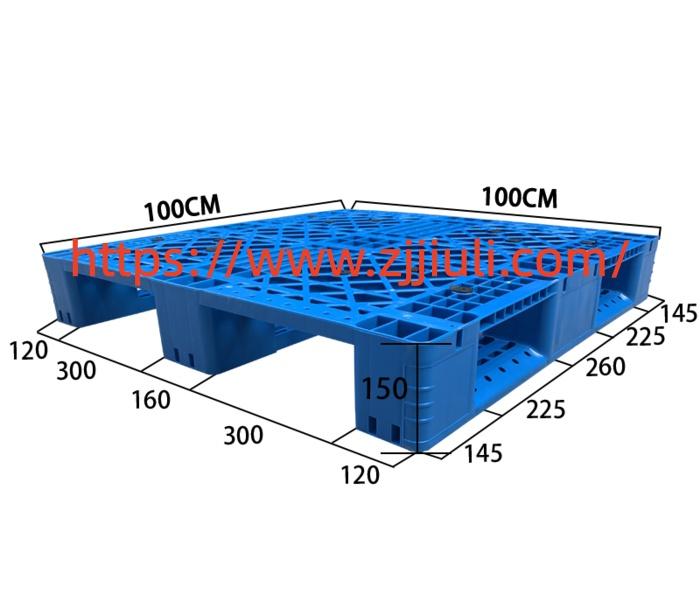
Flat Pallets play an important role in industrial storage, manufacturing, and transportation, but the material selected can influence how a pallet performs in a particular working environment. Buyers need to consider load requirements, handling frequency, moisture exposure, cleaning procedures, and operating costs before choosing a suitable design. Different industries handle different products, so a material that works well in a general warehouse may not meet the needs of a food processing facility or an outdoor distribution area. Understanding these differences helps purchasing teams make informed decisions.
Plastic is a practical option for many logistics and industrial applications. Common materials such as high-density polyethylene and polypropylene can be molded into different dimensions and structural configurations. Plastic pallets are often considered for environments where moisture resistance, ease of cleaning, and consistent product dimensions are important. Their weight and construction may also influence handling efficiency. However, buyers should review the specific material grade, operating temperature, load rating, and expected use conditions rather than assuming that every plastic design offers the same characteristics.
Wood remains a familiar choice in many supply chains because it is widely used for general storage and transportation. It can be suitable for operations where repair options, purchasing costs, and established handling procedures are important considerations. At the same time, wood may require attention to moisture exposure, surface splinters, fasteners, and differences between individual units. For international shipments, buyers should also confirm whether applicable wood packaging treatment requirements apply. These practical details can affect inspection procedures, maintenance work, and preparation for export.
Metal pallets may be appropriate for applications that require a rigid structure or involve particular industrial handling conditions. Steel designs can support demanding operational requirements when properly engineered, although their weight, surface finish, corrosion protection, and purchase cost should be evaluated. Aluminum may be considered where lower weight is relevant, depending on the application and design. Buyers should compare the expected service conditions and handling equipment before selecting a metal option. The material alone does not determine performance, since construction, joints, support points, and load distribution also matter.
The working environment is another important factor. Warehouses handling packaged consumer goods may prioritize stable stacking, convenient forklift access, and compatibility with racking systems. Food processing operations may place greater emphasis on cleaning procedures and moisture exposure. Chemical facilities should assess compatibility with the specific substances present, as well as any applicable safety requirements. Outdoor storage introduces additional considerations such as sunlight, temperature changes, rain, and uneven ground. Buyers should describe these conditions clearly so that manufacturers can recommend suitable specifications for evaluation.
Load requirements deserve careful attention regardless of material. Static capacity, dynamic capacity, and racking capacity describe different loading conditions and should not be treated as interchangeable figures. A pallet carrying goods on the floor may experience different forces from one being moved by a forklift or supported on warehouse racks. Buyers should confirm the applicable ratings with the manufacturer and consider how weight is distributed across the surface. Heavy or uneven loads may require a different structural design from uniformly distributed cartons. Product testing and clear operating guidelines can help reduce avoidable handling risks.
Total cost is also worth evaluating. The initial purchase price is only one part of the decision. Buyers may need to consider cleaning, repairs, replacement frequency, storage space, transport weight, and the procedures required to maintain the equipment. Reusable products can be suitable for repeated internal movements, while other operations may have different requirements based on shipping routes and return logistics. Comparing these factors across the expected service period gives purchasing teams a more useful basis for assessing value than comparing unit prices alone.
As a manufacturer of plastic pallets and other industrial plastic products, Zhiguang offers product options for different storage and handling applications. Buyers can discuss dimensions, structural features, material specifications, and order requirements according to their operational conditions. Reviewing these details before ordering can help align product selection with warehouse equipment, load requirements, and maintenance procedures. Businesses planning a new logistics project or updating existing equipment can visit https://www.zjjiuli.com/ to review the available product range and contact the company about suitable configurations for their industrial needs.

