


What Daily Habits Extend the Life of a Gluing Machine
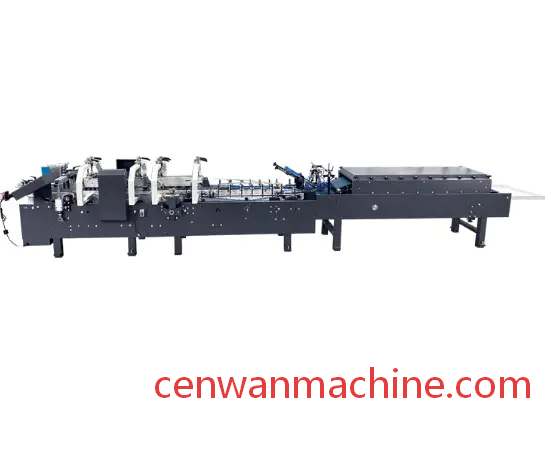
A Box Gluing Machine earns its keep in the quiet seconds between feeding and stacking, folding and pressing cartons at a rhythm that entire packaging schedules orbit, which means the moment it stops, everything downstream stops with it: folder-gluers idle, packers wait, trucks leave half-loaded, and a customer who needed fifty thousand cartons by Friday starts reading emails from your competitors. Maintenance philosophy divides factories into two camps, because one camp services machines when calendars say so and the other waits for the breakdown that finally schedules service for them, and the second camp almost always learns that emergency repairs cost several times what prevention would have while delivering a fraction of the machine's designed lifespan. Downtime rarely announces itself dramatically, since it usually begins as a faint squeal, a smear of glue where no glue should sit, or a fold that drifts half a millimeter out of true until the whole line surrenders. If small neglect compounds into expensive silence, what service rhythm actually keeps a Box Gluing Machine faithful to its production promises?
The Daily Discipline That Costs Minutes and Saves Shifts
Every operating shift should end with the unglamorous rituals that machines reward: glue pots flushed so residue cannot cure into abrasive grit, feed belts wiped so board travels on friction rather than slipping on film, and rollers cleared of stringing tails that harden into lumps overnight. Operators who spend a quarter hour at shift change checking vacuum cups for cracks, clearing sensor windows of dust, and listening for bearing whispers catch failures while they remain whispers, because a sensor blinded by paper dust stops detecting double feeds, and double feeds become crushed cartons jammed deep inside the folding section. Lubrication follows the manufacturer chart rather than habit, since over-greasing attracts airborne paper fiber into grinding paste while under-greasing lets cam followers chew their races invisibly until play appears in the folds. These minutes feel expendable on calm days and priceless on the day they prevent the jam that would have cost an entire shift, which is why disciplined factories post checklists at the machine and treat skipped sign-offs as production incidents rather than minor shortcuts.
Weekly, Monthly, and Seasonal Layers of Prevention
Weekly attention turns to alignment, because folding rails and pressure belts drift gradually under continuous vibration, and a carton that folds true on Monday may crease crooked by Friday if nobody measures. Monthly service opens guards to inspect drive belts for glazing, checks pneumatic fittings for weeping air, and verifies that glue application wheels still spin true rather than wobbling splatter across finished board. Seasonal deep maintenance addresses the parts that daily care never touches: gearbox oil changes, bearing greasing behind shields, belt tension re-calibration, and control system backups that turn a fried component from catastrophe into afternoon task. Spare parts strategy completes the picture, since keeping wear items like belts, suction cups, and glue seals on a shelf converts a three-day parts wait into a forty-minute swap, and that shelf only works when someone audits it quarterly rather than discovering emptiness during a breakdown. Factories that treat preventive visits as calendar appointments rather than spare-time activities consistently report uptime figures that reactive neighbors envy, and the gap between those camps widens every year the machine runs.
Maintenance culture separates equipment owners from equipment victims, and that philosophy runs through the engineering support at CenWan, where every Box Gluing Machine ships with lubrication charts, wear-part schedules, and operator training that treats daily care as a production skill rather than a janitorial chore. The service team helps customers build maintenance calendars matched to their actual board types and shift patterns, and technicians answer alignment questions remotely before small drifts become scrapped cartons. Visitors evaluating that support standard can review the machine configurations and service documentation arranged at https://www.cenwanmachine.com/, where specifications meet the questions serious buyers ask. A machine that is serviced on schedule hums for decades, while one that is merely used waits for its unlucky day, and every factory knows which kind it owns the moment a rush order walks through the door.

