


Why Choose Chendiao Aluminum Plate Cutting Circular Saw Machine
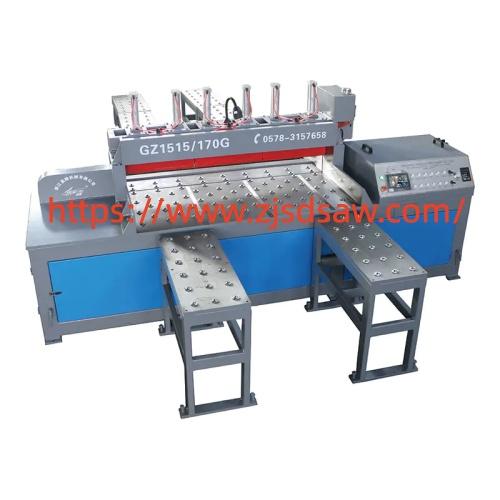
Aluminum Plate Cutting Circular Saw Machine selection involves more than considering the basic processing function. For businesses working with aluminum alloy materials, surface condition, workpiece positioning, material movement, and operator convenience can all influence daily production. Aluminum is widely used in transportation equipment, construction components, electronic housings, industrial enclosures, and machinery manufacturing. Different applications bring different requirements, making equipment selection an important part of workshop planning. Buyers should consider how a particular configuration fits their materials, production routines, and working environment before making a purchasing decision.
One detail that deserves attention is the surface condition of aluminum alloy. During processing, friction between the tool and the material may influence the appearance of the finished surface. Scratches, unwanted marks, and material movement can create additional work during subsequent manufacturing stages. Businesses should therefore examine the contact surfaces, supporting arrangements, and positioning methods used by the equipment. Suitable material support and careful handling procedures can help maintain the condition of workpieces throughout daily operations.
Material characteristics also influence equipment selection. Different aluminum alloys may have different hardness levels, structural properties, and processing behavior. Some businesses handle relatively thin sheets, while others work with thicker industrial sections or large workpieces. These differences affect the requirements for feeding, positioning, and clamping. Before contacting a supplier, purchasing teams should prepare information about their regular materials, workpiece shapes, and intended applications. This makes technical communication more specific and helps identify appropriate equipment configurations.
Another important consideration is how materials move across the working area. Large workpieces can require considerable effort to reposition manually, especially when employees handle repeated production orders. A roller supported worktable can make material movement more convenient by allowing workpieces to slide across the surface. This arrangement can reduce unnecessary lifting and repositioning activities while helping operators organize their workflow. Businesses should pay attention to the supporting structure and accessibility of the working area when comparing different equipment designs.
Clamping arrangements also deserve careful evaluation. During processing, materials need suitable positioning to reduce unwanted movement. Pneumatic clamping systems provide a practical approach to securing workpieces through controlled mechanical action. Buyers should consider how the clamping arrangement accommodates their regular material shapes and whether operators can complete loading and positioning conveniently. The relationship between material support and clamping is particularly important when handling larger workpieces that require coordinated movement.
Automation offers another consideration for businesses handling recurring orders. Automatic feeding can help organize the movement of materials between different processing stages. Servo controlled feeding systems provide programmable movement, while hydraulic feeding arrangements offer another approach to coordinating material advancement. The appropriate configuration depends on production frequency, workpiece characteristics, and the level of operator involvement required. Companies should evaluate these functions according to their actual workflow instead of choosing automation features without a defined purpose.
The operator interface is equally relevant to everyday production. Employees need to understand how to position materials, select operating modes, monitor working conditions, and respond to equipment instructions. A clearly arranged control panel can make these activities easier to coordinate. Accessible buttons, understandable operating procedures, and suitable training materials contribute to a more organized working experience. Businesses purchasing equipment for teams with different experience levels should consider how easily employees can become familiar with its operation.
Workshop organization is another subject that is sometimes overlooked during purchasing. Equipment needs to fit into the available working space while allowing sufficient room for material storage, loading, unloading, and routine maintenance. The location of nearby equipment can also influence how workpieces move through the production area. Planning these details before installation helps businesses coordinate different activities and avoid unnecessary material handling. A well arranged working environment can also make cleaning and daily inspection more convenient.
Maintenance should form part of the purchasing discussion from the beginning. Regular inspection of drive components, pneumatic connections, hydraulic systems, electrical parts, and working surfaces helps employees organize equipment care. The condition of the blade and its related components should also be checked according to the manufacturer's instructions. Businesses may ask suppliers about replacement parts, service arrangements, cleaning procedures, and technical documentation. These details provide a clearer understanding of equipment ownership and ongoing maintenance responsibilities.
Chendiao offers equipment developed for aluminum alloy processing, including fully automatic servo feeding configurations and hydraulic feeding models. Relevant product designs incorporate roller supported working surfaces, pneumatic material clamping, and lifting arrangements that assist workpiece movement. These features address practical considerations in industrial environments, including material positioning and operator handling. Different configurations allow customers to discuss equipment selection according to their production requirements and workshop conditions.
When comparing suppliers, businesses should examine how individual functions work together rather than focusing on a single feature. Material compatibility, surface protection, feeding arrangements, clamping methods, control accessibility, and maintenance requirements all deserve consideration. It is also useful to provide photographs, drawings, and descriptions of regular workpieces during the initial consultation. Clear communication can help manufacturers understand the intended application and discuss suitable configurations.
For manufacturers involved in aluminum processing, equipment selection is closely connected with the quality of material handling and the organization of daily production. Chendiao welcomes inquiries from businesses seeking automatic feeding solutions, practical equipment configurations, and customized manufacturing discussions. You can visit the official product page at https://www.zjsdsaw.com/product/ to review available models and learn about the company's industrial processing equipment. Sharing your material requirements and production plans can help establish a suitable direction for future cooperation.

