


Packaged Doner Production Processing, Packaging and Quality Control Essentials
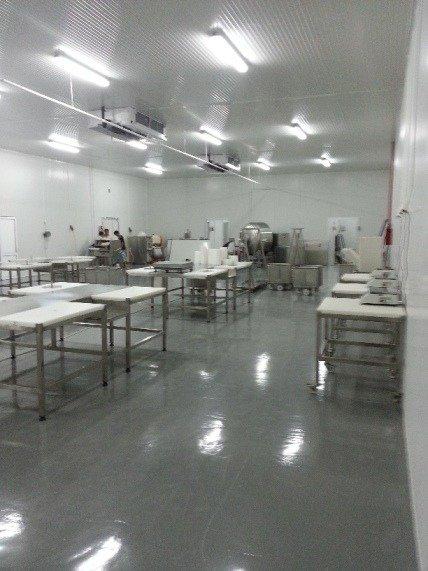
The demand for convenient, ready-to-prepare food products has created opportunities for businesses in the food manufacturing industry. Packaged doner production allows manufacturers to prepare, process and package doner kebab products for restaurants, takeaway businesses, food distributors and other commercial customers. However, developing a successful production facility requires more than machinery and ingredients. It involves careful project development, factory layout planning, production workflow design and trained staff. Professional doner kebab factory consultancy can help businesses plan these essential elements, from the initial concept to operational preparation. With experience supporting more than 50 factory setups, specialist consultants can provide practical guidance to investors and food entrepreneurs looking to establish or expand their manufacturing operations.
Understanding Packaged Doner Production
Packaged doner production involves manufacturing doner kebab products in a controlled food production environment and preparing them for storage, distribution and commercial use.
Depending on the business model, packaged products may include fresh, chilled or frozen doner kebab. The final product format, processing method and packaging requirements depend on customer demand, food safety regulations and the intended market.
A commercial production facility may supply:
-
Restaurants and takeaway outlets
-
Kebab shops and fast-food businesses
-
Catering companies
-
Food wholesalers and distributors
-
Supermarkets and retail food businesses
Before establishing a production line, businesses should identify their target customers and determine which product formats are commercially suitable.
Planning a Packaged Doner Manufacturing Facility
A successful factory begins with a detailed project plan. Investors need to understand their production goals, available budget, facility requirements and expected customer demand before purchasing equipment or starting construction.
Define Your Production Requirements
The first step is to establish what the factory will manufacture and how much it needs to produce. Consider the expected daily output, product varieties, packaging sizes and storage requirements.
A small facility supplying local restaurants may require a different production arrangement from a larger operation serving wholesalers across several regions.
Setting realistic production targets helps guide decisions about machinery, staffing, building size and investment requirements.
Develop a Practical Factory Layout
Factory layout planning is essential for maintaining an organised production environment. A suitable design should support logical product movement from raw material reception to finished product dispatch.
Depending on the production process, the facility may include separate areas for:
-
Raw material receiving and inspection
-
Refrigerated and frozen storage
-
Meat preparation and processing
-
Mixing and seasoning
-
Doner forming and shaping
-
Cooking or other approved processing stages, where applicable
-
Cooling and temperature-controlled storage
-
Packaging and labelling
-
Finished product storage and dispatch
The layout should also consider staff movement, cleaning access, equipment maintenance and hygiene controls. Appropriate separation of activities can help reduce cross-contamination risks.
Selecting Equipment for Doner Production
Machinery selection should be based on the production process, expected capacity and final product specifications. Buying equipment without a complete understanding of the workflow can create operational problems and unnecessary expenses.
Depending on the facility, equipment may include industrial meat preparation machines, mixers, seasoning systems, forming machinery, refrigeration units, freezing systems and packaging equipment.
When comparing machinery, consider:
-
Production capacity and operating speed
-
Food-grade construction and hygiene requirements
-
Cleaning and maintenance access
-
Energy consumption
-
Operator safety
-
Availability of spare parts and technical support
-
Compatibility with other production equipment
A coordinated equipment plan can help create a more efficient production system and support consistent manufacturing operations.
Packaging and Product Presentation
Packaging is an important part of commercial doner manufacturing. It protects the product, supports storage and provides customers with essential product information.
The appropriate packaging format depends on whether the product is fresh, chilled or frozen and how it will be transported and stored. Businesses should consider packaging materials, sealing methods, portion sizes and labelling requirements.
Product labels may need to include ingredient information, allergen declarations, storage instructions, use-by or best-before information, and other details required by local regulations.
Packaging should also be compatible with the intended distribution process. For example, products supplied to restaurants may require different formats from products intended for supermarket retail shelves.
Food Safety and Quality Control
Food safety must be integrated into every stage of packaged doner production. Meat processing requires appropriate hygiene procedures, temperature management, cleaning schedules and quality control systems.
A manufacturing facility should establish documented procedures covering:
-
Raw material inspection and supplier management
-
Safe handling and storage
-
Temperature monitoring
-
Prevention of cross-contamination
-
Cleaning and sanitation
-
Allergen management
-
Product traceability
-
Packaging checks and finished product inspection
The specific requirements depend on the country where the factory operates. Investors should obtain appropriate regulatory guidance and ensure that the facility meets all applicable food safety and business requirements before production begins.
The Importance of Chef and Staff Training
Even a well-designed factory depends on trained people to operate successfully. Staff need to understand the production process, equipment operation, hygiene procedures and quality standards.
Chef training can help establish consistent product preparation methods, seasoning practices and product specifications. Production employees may require instruction in machinery operation, cleaning procedures, packaging processes and workplace safety.
Training should be practical and relevant to each employee's responsibilities. Clear operating procedures can also help new team members understand their tasks and maintain consistent working practices.
Why Doner Kebab Factory Consultancy Matters
Establishing a doner production facility involves several connected areas of expertise. Investors may need support with project development, technical planning, factory design, equipment selection and operational preparation.
Professional consultancy can help bring these elements together through a structured approach.
An experienced consultancy team may assist with:
Project development: Reviewing the business concept, production objectives and facility requirements.
Layout planning: Organising production areas, equipment placement and workflow.
Equipment coordination: Identifying suitable machinery based on capacity and product requirements.
Operational preparation: Helping businesses prepare production procedures and quality control systems.
Chef and staff training: Supporting employees as they learn the manufacturing process and operating standards.
Experience across multiple factory projects can provide useful insight into common planning challenges and practical solutions.
Building a Strong Foundation for Business Growth
Packaged doner manufacturing can serve different commercial markets, but long-term success depends on more than production capacity. Businesses also need reliable suppliers, suitable distribution arrangements, consistent product quality and a clear understanding of customer requirements.
A realistic financial plan should account for property, construction, machinery, packaging, staffing, utilities, maintenance and working capital. Investors should also consider future expansion and whether the initial facility design can accommodate changing production needs.
Careful preparation can help reduce avoidable challenges and create a manufacturing operation that is easier to manage.
Conclusion
Developing a packaged doner manufacturing facility requires careful planning, suitable equipment, an efficient layout and well-trained staff. From initial project development to production preparation, professional consultancy can help businesses understand the requirements of establishing a commercial doner factory. With experience supporting more than 50 factory setups, specialist guidance can help investors approach their production plans with greater clarity. If you are considering packaged doner production, contact an experienced consultancy team to discuss your project, factory layout and training requirements.

