


Gynecomastia Surgery in Riyadh: Open Questions About Safety and Recovery
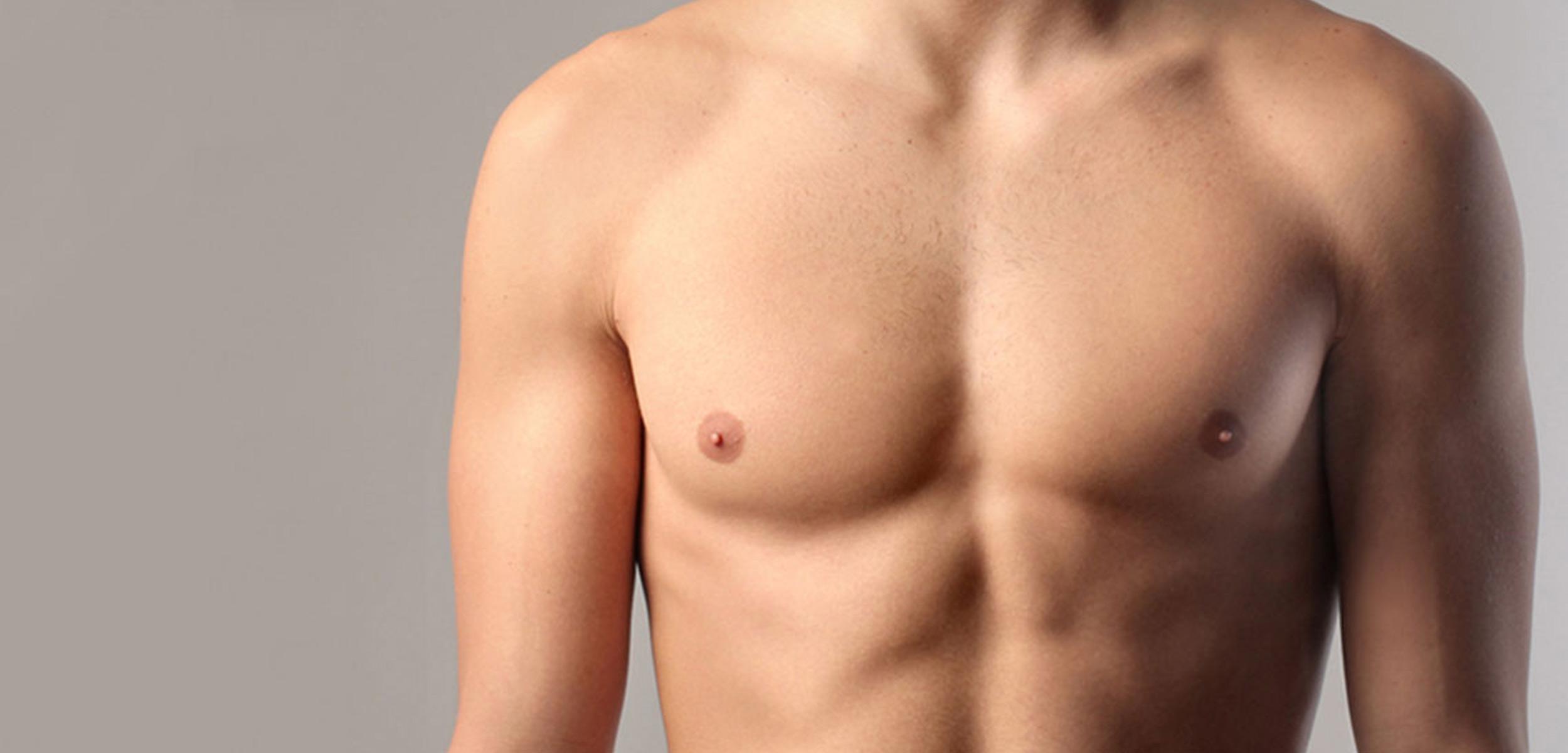
Gynecomastia is a condition characterized by the enlargement of breast glandular tissue in men, sometimes affecting one or both sides of the chest. It can occur during different stages of life and may be associated with hormonal changes, certain medications, underlying medical conditions, or other factors. For men experiencing persistent chest enlargement, understanding available treatment options is an important step toward making an informed decision.
Gynecomastia Surgery in Riyadh is an option for men who want to address enlarged male breast tissue through a surgical approach. Modern surgical techniques focus on removing excess glandular tissue, reducing unwanted fat when necessary, and creating a chest contour that complements the individual's natural body proportions. However, before considering treatment, patients often have questions about safety, surgical methods, preparation, and recovery.
Understanding these aspects can help individuals develop realistic expectations and have more productive discussions with qualified medical professionals.
Understanding Gynecomastia and Its Causes
Gynecomastia develops when glandular breast tissue increases in size in males. Although it is sometimes confused with excess chest fat, the two conditions are different. Gynecomastia involves the growth of glandular tissue, whereas pseudogynecomastia is primarily associated with fat accumulation in the chest area.
Hormonal changes involving testosterone and estrogen are among the common factors associated with gynecomastia. The condition may appear during puberty, adulthood, or later stages of life. Certain medications, health conditions, and lifestyle-related factors may also contribute to breast enlargement.
In some individuals, the condition improves naturally, particularly when it develops during puberty. However, persistent enlargement may require medical assessment to identify its underlying cause and determine whether treatment is appropriate.
Why Men Consider Gynecomastia Surgery in Riyadh
Enlarged male breast tissue can affect more than physical appearance. Some men experience discomfort, tenderness, or sensitivity around the chest. Others feel self-conscious when wearing fitted clothing, participating in sports, or spending time in environments where the chest is exposed.
For individuals experiencing persistent gynecomastia, surgical treatment may provide an option for reducing excess tissue and improving chest proportions.
Gynecomastia Surgery in Riyadh focuses on addressing the physical characteristics of the condition through an individualized surgical plan. The appropriate approach depends on the amount of glandular tissue, the presence of excess fat, skin elasticity, and the patient's overall anatomy.
The decision to undergo surgery should be based on medical evaluation, personal concerns, and realistic expectations rather than appearance-related pressure.
How Gynecomastia Surgery Is Performed
Gynecomastia surgery generally involves removing excess glandular tissue, fat, or a combination of both. The technique selected depends on the patient's chest structure and the nature of the enlargement.
Liposuction Technique
Liposuction may be appropriate when excess fatty tissue contributes significantly to chest enlargement. Small incisions are made through which a specialized instrument is inserted to remove unwanted fat.
This technique can help create a flatter chest contour while minimizing visible incision marks. However, liposuction alone may not adequately address firm glandular tissue.
Glandular Tissue Excision
When enlarged glandular tissue is the primary concern, surgical excision may be necessary. This technique involves removing the excess tissue through an incision, commonly positioned around the edge of the areola.
The incision placement is planned to help minimize visible scarring while allowing the surgeon to address the enlarged tissue.
Combined Surgical Approach
Some patients have both excess fat and enlarged glandular tissue. In these situations, combining liposuction with surgical excision may provide a more suitable approach.
The treatment plan is determined after assessing the patient's individual condition, skin quality, and desired chest proportions.
Is Gynecomastia Surgery in Riyadh Safe?
Safety is one of the most common concerns among individuals considering male breast reduction. Like other surgical procedures, gynecomastia surgery involves potential risks, but careful patient selection, appropriate surgical planning, and professional medical supervision can help reduce complications.
Before recommending treatment, a qualified surgeon evaluates the patient's medical history, current health, medications, and the characteristics of the enlarged breast tissue.
Patients should understand that possible complications include bleeding, infection, swelling, bruising, fluid accumulation, changes in nipple sensation, visible scarring, and uneven chest contours. Although uncommon, additional surgery may sometimes be necessary to address certain complications or unsatisfactory results.
Choosing an appropriately qualified and experienced surgeon is an important part of the decision-making process. Patients should also discuss anesthesia, surgical facilities, aftercare arrangements, and individual risk factors before proceeding.
Who May Be Suitable for Gynecomastia Surgery?
Not every individual with an enlarged male chest requires surgery. Suitability depends on several medical and physical considerations.
Men with persistent glandular enlargement that does not improve through appropriate non-surgical management may be considered for treatment. Individuals experiencing physical discomfort or ongoing concerns about chest appearance may also wish to explore their options.
A suitable candidate generally has stable overall health, realistic expectations, and an understanding of the recovery process.
Before surgery, medical professionals may investigate hormonal imbalances, medication-related causes, or other underlying conditions. Treating an identifiable cause may sometimes improve the condition without requiring an operation.
Preparing for Gynecomastia Surgery in Saudi Arabia
Preparation plays an important role in supporting patient safety and a smoother surgical experience. Before the procedure, patients typically attend a consultation to discuss their concerns, medical background, and treatment expectations.
The surgeon examines the chest to determine whether enlargement is related to glandular tissue, excess fat, or a combination of both. Additional investigations may be recommended when necessary to understand the underlying cause.
Patients should provide accurate information about medications, supplements, allergies, previous procedures, and existing health conditions.
Smoking may interfere with healing, so patients should discuss appropriate precautions with their surgeon. Instructions regarding food, drink, medications, and activity before surgery should also be followed carefully.
Understanding the procedure and recovery requirements beforehand can help patients feel more prepared and confident.
What to Expect During Recovery After Gynecomastia Surgery
Recovery is an important consideration for anyone researching Gynecomastia Surgery in Riyadh. The healing process varies depending on the surgical technique, the amount of tissue removed, and the individual's natural recovery response.
Initial Recovery Period
During the first few days, patients may experience swelling, bruising, tightness, and mild to moderate discomfort around the chest. These symptoms are generally expected after surgery and usually improve gradually.
The surgeon may recommend prescribed medication, adequate rest, and specific wound-care instructions to support healing.
Wearing Compression Garments
Compression garments are commonly recommended after gynecomastia surgery. They help support the treated area, manage swelling, and provide stability while the tissues heal.
Patients should follow their surgeon's instructions regarding how long the garment should be worn and when it can be removed.
Returning to Daily Activities
Light daily activities may be resumed gradually, depending on individual recovery progress and medical advice. However, strenuous exercise, heavy lifting, and activities that place pressure on the chest should be avoided until the surgeon confirms that they are safe.
Returning to normal activities too quickly may interfere with healing, so following postoperative instructions is essential.
Long-Term Healing
Although initial swelling may improve within the first few weeks, complete healing takes longer. Chest contours gradually become more defined as swelling decreases and tissues settle.
Final results may take several months to become fully visible. Regular follow-up appointments help the surgeon monitor healing and identify any concerns.
Factors That Influence Surgical Results
The outcome of gynecomastia surgery depends on several individual factors. The amount of glandular tissue, distribution of excess fat, skin elasticity, and existing chest asymmetry can influence the surgical approach and final appearance.
A patient's general health and adherence to postoperative instructions also contribute to recovery.
Maintaining a stable body weight may help preserve the improved chest contour. Significant weight fluctuations can affect body proportions and potentially influence the appearance of the treated area.
It is also important to understand that surgery cannot guarantee perfect symmetry or eliminate every natural variation in chest shape. Realistic expectations and individualized planning are essential for patient satisfaction.
Understanding Gynecomastia Surgery in Saudi Arabia
Men exploring Gynecomastia Surgery in Riyadh may also search for information about treatment availability and surgical standards throughout Saudi Arabia.
Medical consultations provide an opportunity to understand the differences between available techniques, evaluate individual suitability, and discuss the expected recovery experience.
Patients should prioritize medical qualifications, appropriate surgical facilities, transparent communication, and comprehensive postoperative support when considering treatment.
Rather than selecting a procedure based only on general information, individuals should seek an assessment that considers their particular anatomy and medical circumstances.
Frequently Asked Questions
1. What Is Gynecomastia Surgery in Riyadh?
Gynecomastia surgery is a male breast reduction procedure designed to remove excess glandular tissue, fatty tissue, or both. The objective is to create a flatter and more proportionate chest contour based on the patient's anatomy.
2. Is Gynecomastia Surgery in Saudi Arabia Safe?
Gynecomastia surgery is generally considered an established procedure when performed on appropriately selected patients by qualified professionals in suitable medical facilities. However, it carries potential risks, including infection, bleeding, scarring, and changes in sensation.
3. How Long Does Recovery Take After Gynecomastia Surgery?
Initial recovery often takes a few weeks, although the exact timeline varies between individuals. Swelling may continue to decrease over several months, and final chest contours can take time to become visible.
4. Does Gynecomastia Surgery Remove Both Fat and Glandular Tissue?
Yes, depending on the patient's condition. Liposuction can address excess fatty tissue, while surgical excision removes enlarged glandular tissue. Some patients may benefit from a combination of both techniques.
5. Will There Be Visible Scars After Gynecomastia Surgery in Riyadh?
Small scars are generally expected because surgical incisions are necessary. Their visibility depends on incision placement, individual healing characteristics, and postoperative care. Surgeons aim to position incisions discreetly whenever possible.
6. Can Gynecomastia Return After Surgery in Saudi Arabia?
Recurrence is possible, particularly if contributing factors such as hormonal imbalances, certain medications, or significant weight changes remain unaddressed. Identifying and managing underlying causes can help support long-term results.
Conclusion
Gynecomastia can influence physical comfort, chest appearance, and personal confidence. Understanding its causes, available surgical techniques, safety considerations, and recovery requirements allows men to make more informed decisions about treatment.
Gynecomastia Surgery in Riyadh offers a surgical option for appropriately selected individuals seeking to address persistent enlarged male breast tissue. However, successful treatment involves more than removing excess tissue. Careful assessment, personalized surgical planning, realistic expectations, and proper postoperative care all contribute to the overall experience.
For individuals researching treatment options in Saudi Arabia, Enfield Royal Clinic Saudi is a name they may explore when learning about gynecomastia treatment. A professional consultation can help patients understand their individual condition, discuss suitable surgical approaches, and make informed decisions about their treatment journey.

