


How Digital Cockpits Are Reshaping Modern Vehicle Design
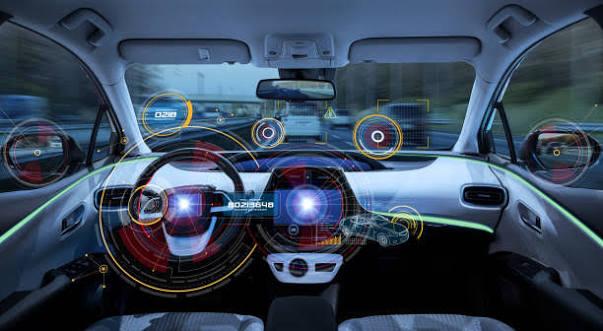
Vehicle interiors are undergoing a significant transformation as digital technologies become more deeply integrated into everyday driving. Traditional dashboards built around physical gauges and separate controls are increasingly giving way to connected interfaces that combine information, entertainment, navigation, communication, and vehicle functions within a more unified environment.
The evolution of connected cockpit technologies reflects a broader shift in how vehicles are designed around software, displays, sensors, and human-machine interaction. Rather than treating the dashboard as a collection of independent components, manufacturers are increasingly approaching the cockpit as an integrated digital experience.
This transition is being influenced by changing consumer expectations, advances in vehicle electronics, and the growing role of driver-assistance technologies. Modern drivers increasingly interact with vehicles through touchscreens, voice commands, digital displays, cameras, and connected services, making the cockpit an important interface between people and increasingly sophisticated vehicle systems.
Digital Interfaces Are Changing the Driving Experience
A digital cockpit can bring several vehicle functions together through coordinated displays and software. Digital instrument clusters can present speed, vehicle status, navigation directions, alerts, and other information, while infotainment screens can provide access to media, communication, and connected services. The integration of these functions can create a more consistent interface across different parts of the vehicle.
Human-machine interaction is becoming particularly important as the number of digital functions inside vehicles increases. Drivers need information to be presented in a way that is understandable without creating unnecessary distraction. This makes interface design, display positioning, voice interaction, and information prioritization important considerations in cockpit development.
Driver Assistance Is Increasing the Role of Displays
Advanced driver-assistance systems are also changing what drivers expect from cockpit interfaces. Systems such as forward collision warning, lane departure warning, adaptive cruise control, and lane-centering assistance generate information that may need to be communicated through visual, audible, or other alerts. NHTSA explains that driver-assistance technologies can provide warnings or intervention while the driver remains responsible for operating the vehicle. NHTSA guidance on driver assistance technologies provides further context on how these systems interact with drivers.
As assistance functions become more sophisticated, the cockpit must communicate system status and warnings clearly. This creates a stronger connection between safety engineering and interior design. A digital dashboard is therefore not simply an entertainment interface; it can also become an important channel for communicating information generated by vehicle sensors and assistance systems.
Display Technology Is Expanding Design Possibilities
Display technology is another major area of development. LCD and TFT-based displays have long supported automotive instrument clusters and infotainment systems, while newer display approaches can provide different possibilities for brightness, contrast, form factors, and visual presentation. Manufacturers can use multiple screens or larger integrated displays to create a more cohesive dashboard environment.
Head-up displays represent another approach by projecting selected information into the driver's field of view. Instead of requiring drivers to look toward the central dashboard for every piece of information, selected navigation or driving information can be presented closer to the normal forward line of sight. The effectiveness of such systems depends heavily on appropriate information selection and interface design.
Camera-Based Monitoring Adds a Safety Dimension
Camera-based driver monitoring is becoming increasingly relevant as vehicles incorporate more assistance functions. These systems can observe driver-related conditions and provide information that supports safer interaction between the driver and automated or semi-automated functions. Their development also highlights the importance of combining cameras, computing capabilities, software, and cockpit interfaces.
The integration of monitoring technologies creates new design considerations. Vehicle systems must distinguish between information that requires immediate attention and information that can remain in the background. Poorly designed alerts can contribute to information overload, while carefully prioritized interfaces can help drivers understand what the vehicle is doing and when intervention may be necessary.
Connected Vehicles Are Raising Software Expectations
Connectivity is also changing the lifecycle of vehicle cockpit systems. Modern vehicles increasingly rely on software to deliver navigation, infotainment, communication, diagnostics, personalization, and other functions. As a result, cockpit development is moving beyond hardware specifications toward software architecture and the ability to integrate multiple digital services.
This shift can also affect how vehicles are updated and maintained. Software-based functions can potentially be modified or enhanced without changing the physical dashboard, depending on the vehicle architecture. Such flexibility creates opportunities for manufacturers to refine interfaces and functionality over the vehicle lifecycle while also increasing the importance of software reliability and cybersecurity.
Challenges Around Usability and Cost Remain
Despite the advantages of greater digital integration, more technology does not automatically produce a better driving experience. Complex menus, excessive notifications, poorly positioned controls, or inconsistent interfaces can make vehicles harder to operate. Designers therefore need to balance feature availability with simplicity, accessibility, and driver attention.
Cost is another consideration. Advanced displays, cameras, processors, sensors, connectivity hardware, and software platforms can increase vehicle complexity and production requirements. Manufacturers must determine which features deliver meaningful value across different vehicle categories while maintaining usability and affordability.
The Direction of Modern Cockpit Design
The development of digital cockpits is closely connected with the broader transformation of vehicles into connected and software-enabled platforms. Instrument clusters, infotainment systems, navigation, driver assistance, monitoring technologies, and communication functions are increasingly being considered as parts of a coordinated digital environment rather than isolated components.
The next stage of cockpit development is likely to depend on how effectively manufacturers balance technology with human needs. Clear interfaces, reliable software, appropriate use of displays, intuitive controls, and responsible integration of driver-assistance information will remain important as vehicles become more digitally connected. The central challenge is therefore not simply adding more technology, but making technology easier and safer for people to use.

