


Which Product Details Should Buyers Confirm With qianxunele?
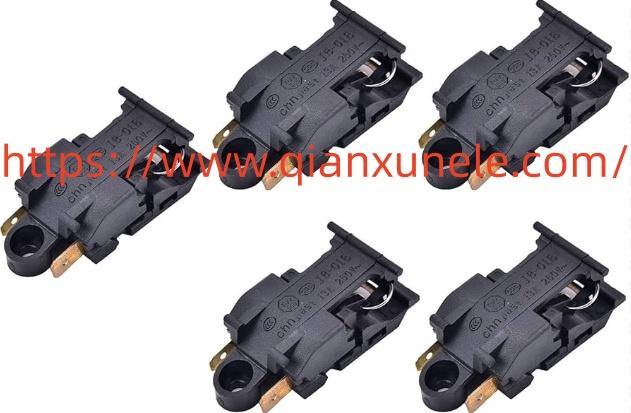
Kettlet Thermostat Coupling selection requires careful attention to electrical ratings, connection structure, mounting dimensions, and compatibility with the intended appliance. For kettle manufacturers and purchasing teams, reviewing these factors before requesting quotations can help prevent assembly mismatches and clarify technical expectations. A structured evaluation also gives engineers and suppliers a shared reference when reviewing samples, confirming specifications, and preparing for production.
Match Electrical Ratings to Your Appliance
Electrical compatibility should be reviewed before comparing prices or confirming an order. Buyers need to establish the rated voltage, current capacity, operating frequency, and load requirements of the intended appliance. These details should correspond to the heating circuit and the selected component configuration.
Contact resistance is another specification worth reviewing because it relates to the electrical connection between conductive parts. Insulation resistance and withstand voltage are also relevant when assessing electrical separation under specified test conditions.
Purchasing teams should request the applicable technical documentation for the exact model under consideration. Rather than assuming that components with similar shapes have interchangeable ratings, confirm each specification against the appliance design. This approach helps engineering teams assess suitability before approving samples or scheduling production.
Understand the Two-Piece Connection Structure
A two-piece design uses separate components that connect within the kettle assembly. Buyers should understand how these sections fit together, how the terminals align, and how the connection interfaces with the appliance base.
Structural compatibility matters because differences in contact positions, mounting arrangements, or dimensions can affect assembly. A component may appear similar to an existing part while having a different connection layout. Reviewing the structure in advance helps identify such differences before they create production difficulties.
For OEM projects, provide engineering drawings or a physical sample that shows the relevant connection points. Ask the supplier to confirm the proposed model against these requirements. If the kettle design changes during development, review the component selection again rather than assuming the original configuration will remain suitable.
Review Temperature Control and Protection Needs
Kettles operate in a heated environment, so buyers should consider the required operating temperature and applicable protection settings. These values need to match the appliance design, heat transfer path, and intended operating conditions.
Dry-boil protection deserves particular attention. The protective arrangement should correspond to the kettle's design and help interrupt operation under the specified abnormal conditions. Buyers should confirm how this function works within the proposed assembly and which tests are used to evaluate its response.
The placement of the sensing area, the contact with surrounding parts, and the assembly structure may influence thermal behavior. For this reason, reviewing technical data alone may not be sufficient for a new product design. Sample testing within a representative kettle can help engineering teams assess the component under conditions closer to actual use.
The final evaluation should follow the manufacturer's design requirements and applicable product safety standards. Any protection-related claims should be supported by suitable test evidence for the actual configuration.
Check Dimensions and Assembly Compatibility
Physical fit can affect production efficiency and the integration of electrical connections. Buyers should review overall dimensions, mounting points, terminal positions, connection orientation, and available installation space.
For a new kettle model, engineering drawings help define the required dimensions and identify possible conflicts with nearby components. For a replacement project, compare the proposed part with the existing assembly and confirm that the connection layout matches.
It is also useful to discuss installation tolerances with the supplier. Differences in alignment or mounting pressure may affect the fit between components. A sample assembly check can reveal these issues before a larger order is placed.
Once the design is approved, document the accepted dimensions and connection requirements. Keeping these records available to purchasing, engineering, and production teams helps maintain consistency across later orders.
Evaluate Quality Checks and Production Consistency
A supplier assessment should include the inspection methods used to verify product requirements. Depending on the agreed specification, these may include dimensional inspection, contact resistance measurement, insulation testing, withstand voltage testing, and repeated connection-cycle evaluation.
Buyers should ask which inspection records are available and how deviations are handled. Clear acceptance criteria help both parties understand the requirements before production begins and give incoming inspection staff a consistent reference.
Sample approval is especially useful when introducing a component into a new appliance. Test the sample against the intended design, record the results, and resolve any identified issues before approving larger quantities.
If a supplier proposes changes to materials, dimensions, or construction, agree on a review process before accepting the revision. Maintaining records of approved samples and specification changes helps purchasing teams manage repeat orders with fewer misunderstandings.
Prepare a Clear Supplier Inquiry
Before requesting a quotation, organize the appliance model, electrical ratings, operating conditions, connection dimensions, estimated order quantity, and required inspection documents. Providing these details helps the supplier assess the request and identify any missing information.
Manufacturers should also discuss sample availability, expected delivery schedules, packaging, and order requirements. These practical details help procurement teams coordinate component supply with assembly planning and inventory management.For appliance manufacturers sourcing kettle connection components, qianxunele provides a point of contact for discussing product configurations and technical requirements. Prepare your drawings and purchasing checklist before making an inquiry so that the proposed model can be reviewed against your design. Visit https://www.qianxunele.com/ to view product information and discuss component sourcing for your manufacturing project.

